

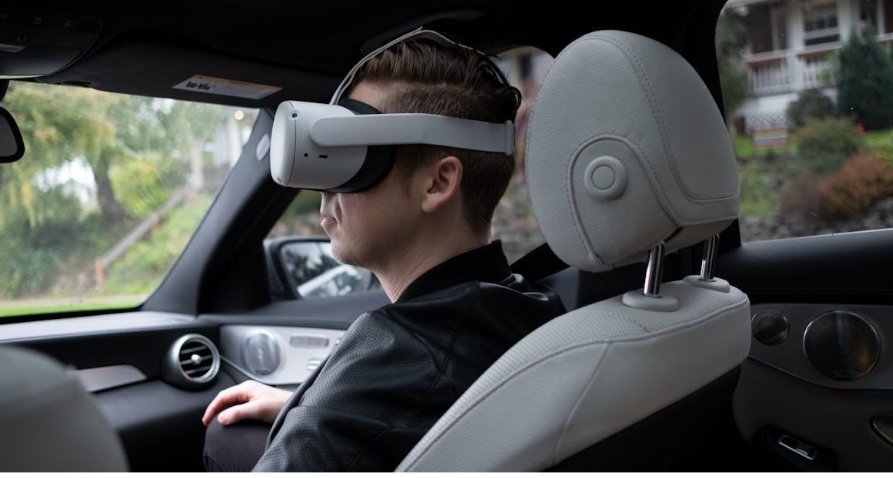
Automotive travel has matured far beyond simple transit into a highly personalized digital sanctuary where sophisticated hardware meets intelligent software. High-end vehicle manufacturers and aftermarket innovators now equip modern cabins with computing power that rivals high-end home entertainment systems. These advanced accessories integrate biometric sensing, cloud synchronization, and premium physical materials to make every routine journey feel exceptionally comfortable.
Examining these sophisticated upgrades reveals how vehicle interiors have transformed into connected executive suites. Whether you want to eliminate wind noise or project turn-by-turn directions directly into your line of sight, current technological options offer remarkable precision. Let us evaluate the specific hardware categories and software ecosystems currently defining high-end travel.
Integrating Premium Craftsmanship with Software-Defined Cabin Ecosystems
Modern high-end vehicle accessories bridge tactile physical craftsmanship with responsive software-defined ecosystems to establish an intuitive interior environment.
Cabin upgrades rely on genuine carbon fiber trims, brushed aluminum switchgear, and supple Nappa leather surfaces to please the senses. These tactile elements interface seamlessly with adaptive ambient lighting arrays and cloud-backed driver profiles. When you unlock the door, facial recognition scanners and paired smartphones instantly restore your preferred seat posture, cabin temperature, and streaming preferences.
This deep level of synchronization guarantees that physical dials and touchscreen menus respond instantaneously without frustrating latency. Manufacturers design these systems to minimize manual distraction while maximizing visual elegance. The final result is a sophisticated interior layout that learns your driving habits and adapts fluidly over time.
Utilizing Holographic Windshield Projections and Smart Wayfinding
Next-generation navigation tools rely on augmented reality windshield projections and live cloud feeds to keep essential travel data directly in your field of view.
Traditional dashboard screens often force drivers to glance away from the highway, but modern head-up displays project directional arrows and speed limits directly onto the glass. These visual overlays align precisely with physical street signs and upcoming lane changes. Artificial intelligence algorithms analyze live congestion feeds and past traffic patterns to reroute your vehicle dynamically before you hit bottlenecks.
High-resolution three-dimensional mapping renders intricate city interchanges with incredible visual clarity. Offline caching features guarantee uninterrupted route guidance even when you traverse remote mountain passes or cellular dead zones.
Immersive Acoustic Engineering and Multi-Channel Multimedia Arrays
Sophisticated acoustic engineering transforms the vehicle cabin into a private concert hall through custom-tuned speaker arrays and active noise-cancellation technology.
Renowned audio specialists like Bang & Olufsen, Burmester, and Bose engineer multi-dimensional sound systems specifically calibrated for unique interior geometries. These setups utilize cabin microphones to monitor persistent tire drone and wind turbulence constantly, adjusting audio equalization in real time to preserve pristine clarity. For travelers seeking deeper insight into spatial utility during extended journeys, reviewing spacious multi-passenger SUV layouts for long road trips offers helpful context on interior volume and entertainment capacity.
Wireless smartphone integration platforms allow seamless streaming of high-fidelity audio files and podcasts directly through the central console. Voice-activated assistants process natural language requests effortlessly, letting you change tracks or modify climate settings without taking your hands off the steering wheel.
Deploying Active Sensor Networks and Driver Assistance Hardware
Advanced driver assistance systems utilize sophisticated radar arrays and exterior camera suites to minimize fatigue and protect occupants during heavy traffic conditions.
Adaptive cruise control maintains a secure buffer zone between your automobile and surrounding traffic by modulating throttle and braking inputs automatically. In stop-and-go highway congestion, these systems bring the vehicle to a complete standstill and resume movement smoothly when traffic flows forward. Lane-centering hardware monitors lane markers continuously, delivering gentle steering torque if driver distraction causes unintentional drifting.
Automated parking assistants take over steering, gear selection, and braking inputs to maneuver large vehicles into tight parallel or perpendicular stalls. These sensor suites deliver comprehensive 360-degree visibility, eliminating blind spots in crowded urban environments.
Frequently Asked Questions About Modern Driving Tech
Here are practical answers to common questions regarding luxury driving gadgets, installation requirements, and vehicle compatibility.
What defines a luxury tech gadget for driving?
Luxury driving gadgets combine premium physical materials like leather and carbon fiber with advanced software to elevate comfort, safety, and entertainment.
Can older cars be retrofitted with augmented reality head-up displays?
Yes, several aftermarket manufacturers offer standalone OBD-II or dashboard-mounted HUD units that project speed and navigation data onto older windshields.
How do premium audio systems reduce road noise?
High-end audio packages use cabin microphones to detect unwanted tire and wind frequencies, generating counter-acoustic soundwaves to cancel them out.
Do over-the-air updates improve vehicle tech over time?
Over-the-air updates allow automakers to push software enhancements, navigation map refreshes, and security patches directly to the vehicle wirelessly.
Are active safety features capable of full autonomous driving?
No, current driver assistance systems are designed to support and protect the driver rather than replace human supervision and legal accountability.
How do smart climate control systems personalize the cabin?
Smart climate systems utilize multi-zone sensors and AI learning models to memorize individual passenger temperature preferences across different seasons.
Product Disclaimer and Verification Guide
Automotive technology, vehicle compatibility requirements, and hardware specifications change rapidly across different model years. Readers should always verify final product features and professional installation guidelines directly with official manufacturers before purchasing.

Passionate content writer and savvy blog publisher, Aamir crafts compelling stories and insightful articles that captivate and inform. With a knack for blending creativity and strategy, they bring fresh perspectives to every piece. Dive into their world of words and discover content that resonates.


