

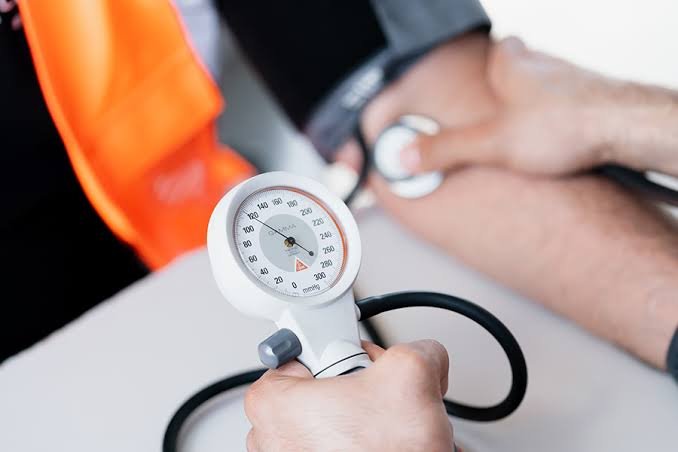
Hiring the right candidates goes far beyond reviewing resumes and conducting standard interviews. An often overlooked yet vital component of the modern recruitment process is the pre-employment medical assessment.
These specialized evaluations help employers ensure that potential hires are physically and mentally capable of fulfilling their job responsibilities without posing unnecessary safety risks to themselves, their coworkers, or the wider organisation.
Understanding the Operational Need for Pre-Placement Health Screening
Pre-employment medicals are structured health evaluations conducted by qualified healthcare professionals after a conditional job offer has been extended but before a candidate officially starts work. These assessments determine if an individual has the functional capacity required for specific job tasks. They are especially critical in physically demanding or high-risk sectors such as construction, heavy manufacturing, transportation, and healthcare, where unexpected health failures can lead to severe workplace incidents.
Modern hiring workflows increasingly integrate digital health portals and secure compliance dashboards to manage these evaluations efficiently. Rather than acting as mere paperwork exercises, these medical reviews provide employers with clear, actionable insights into a candidate’s physiological readiness. This alignment between physical capability and job demands forms the bedrock of safe industrial operations.
Targeted Clinical Screening Protocols Across Dangerous Job Categories
The specific battery of tests administered during a pre-employment medical varies depending on the physical demands and regulatory requirements of the vacant role.
Standard screenings generally look beyond basic vital signs to evaluate specific functional capacities required in the workplace:
| Assessment Type | Primary Objective | Common Industries Affected |
|---|---|---|
| Musculoskeletal Evaluation | Assess joint flexibility, spinal health, and lifting strength to prevent strain injuries. | Construction, Warehousing, Mining |
| Cardiovascular Check | Measure resting blood pressure and heart rate to detect sudden cardiac event risks. | Transportation, Emergency Services |
| Sensory Screenings | Evaluate visual acuity, color perception, and baseline hearing thresholds. | Manufacturing, Aviation, Heavy Machinery |
| Toxicological Screening | Perform drug and alcohol testing to ensure a substance-free working environment. | Logistics, Safety-Critical Operations |
| General Physical Exam | Examine overall body systems to uncover unmanaged chronic conditions. | All High-Risk Sectors |
Measuring Financial and Safety Returns on Workforce Investments
Investing in thorough pre-employment health checks yields measurable long-term returns for both organizational safety and employee well-being.
By catching potential health vulnerabilities early, organizations protect themselves against costly workplace injuries and extensive workers’ compensation claims. When companies hire individuals who are genuinely suited for the physical environment of their job, absenteeism rates drop significantly. Furthermore, employees who feel physically supported and capable experience higher job satisfaction, which naturally drives up retention rates and stabilizes team productivity over time.
Balancing Statutory Privacy Rules with Pre-Placement Compliance
Employers must carefully navigate strict regulatory frameworks and data privacy laws when administering pre-employment health evaluations. Modern employment laws require that medical inquiries occur only after a conditional job offer is made, preventing unlawful discrimination based on unrelated health status. Clinic providers and human resources departments must also ensure strict confidentiality, disclosing only job-relevant functional limitations or necessary accommodation requirements rather than a candidate’s complete private medical history.
Navigating the Post-Offer Clinical Examination Procedure
Candidates moving through the pre-employment medical stage can anticipate a structured clinical workflow administered by an independent occupational health provider.
The journey typically begins with completing a detailed health history questionnaire, followed by targeted physical measurements, sensory checks, and any required laboratory screenings. Turnaround times for medical clearance usually range from 24 to 72 hours, depending on whether specialized panels or secondary physician reviews are required. Understanding how legal protections intersect with employment screening is crucial, much like utilizing technology to ensure fairness in employment law cases to maintain transparent, equitable standards across the hiring lifecycle.
Frequently Asked Questions
When is a pre-employment medical conducted?
These medical checks are conducted strictly after an employer extends a conditional job offer, but before the candidate officially begins work responsibilities.
Can an employer reject a candidate based on medical results?
An employer can rescind an offer only if the assessment reveals unmanageable functional limitations that prevent the candidate from safely performing essential job functions, even with reasonable accommodations.
Are pre-employment medical results confidential?
Yes, all health records remain protected under medical privacy laws, and clinics share only specific functional clearance details with the hiring organization.
Who pays for the pre-employment health assessment?
The prospective employer almost always covers the full cost of the medical examination and any required testing panels.
What happens if a candidate fails a drug screening?
Failing a mandatory drug or alcohol screening typically results in the rescission of the conditional job offer due to safety non-compliance in safety-sensitive positions.
Do all jobs require a medical evaluation?
No, medical evaluations are typically reserved for safety-sensitive, high-risk, or physically demanding roles rather than standard desk or administrative positions.
Disclaimer: The information provided in this guide is for educational purposes only and does not constitute formal legal or occupational health advice. Recruitment regulations and medical screening requirements vary by jurisdiction and industry; employers and candidates should consult qualified professionals or official regulatory bodies for final guidance.

Passionate content writer and savvy blog publisher, Aamir crafts compelling stories and insightful articles that captivate and inform. With a knack for blending creativity and strategy, they bring fresh perspectives to every piece. Dive into their world of words and discover content that resonates.


[…] veterinary oversight to prevent dangerous nutrient deficiencies. Many owners also consider comprehensive health assessments alongside dietary planning to keep developing animals […]
[…] A frequent mistake people make when building healthy habits is taking on too much responsibility at once. Rather than trying to completely overhaul your daily schedule overnight, begin with tiny, manageable shifts. For instance, if your goal is to eat healthier, start by adding one single serving of vegetables to your lunch instead of changing your entire diet. By keeping the initial bar remarkably low, you bypass mental resistance entirely. Consistency matters far more than intensity at this early stage. Similar foundational consistency is vital when adopting structured lifestyle routines, such as preparing for comprehensive health assessments. […]