
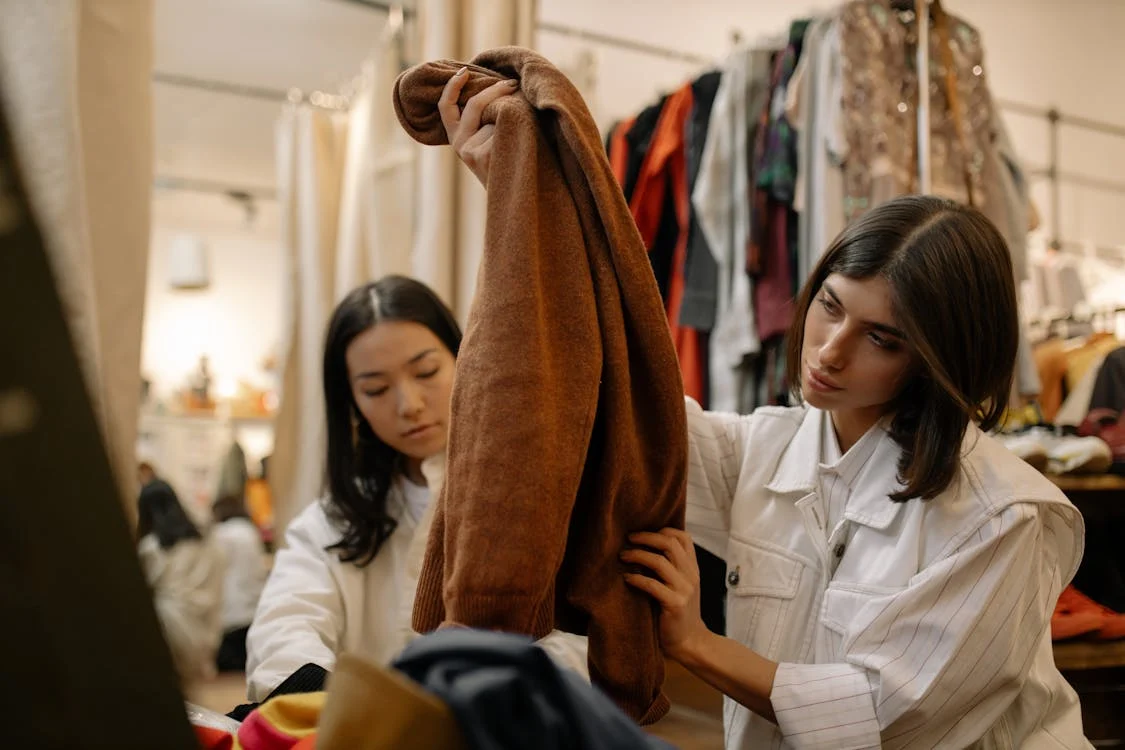
Secondhand shopping is a smart way to save money, reduce waste, and find unique items. However, not every used item is worth your money or time. If you’re looking for high-quality secondhand goods without breaking the bank, knowing what to look for is key. Here’s how you can find the best pre-owned treasures while sticking to your budget.
Navigating Physical Thrift Outlets Versus Digital Resale Networks
Finding durable pre-owned items starts with knowing which physical stores and online resale marketplaces offer the most reliable selections.
Stick to well-reviewed thrift stores, local consignment shops, or trusted online peer-to-peer marketplaces. Many of these physical and digital sources inspect items before listing them, giving you added assurance about their quality. Auctions and estate sales can also be true treasure troves for durable, high-value goods that have stood the test of time. When shopping online, focus on sellers who provide detailed item descriptions, clear photographs from every angle, and transparent return policies.
Assessing Raw Materials and Craftsmanship Standards
Assessing material integrity requires looking past surface appearance to focus on heavy, durable construction materials like solid wood, heavy metals, and genuine leather.
When assessing secondhand goods, pay close attention to the raw materials. High-quality items often use durable materials such as solid wood, genuine leather, or solid metal hardware. Avoid anything that feels flimsy or shows excessive structural wear. For furniture, check for sturdy joints and minimal wobbling. With clothing, focus on natural fabrics like wool, linen, or sturdy cotton blends that tend to hold up better over time.
Here are three core attributes to check during your material assessment:
- Check for Weight and Density: High-quality items, particularly furniture and cookware, often have a noticeable heft. Solid wood pieces will feel significantly heavier than particle board alternatives, and traditional cast iron cookware will weigh much more than lightweight aluminum pans.
- Look for Signs of Wear and Tear: While some light wear is expected in secondhand items, excessive damage can compromise their structural usability. For instance, clothing with significant pilling, fabric fraying, or deep discoloration may not be worth the purchase price.
- Examine the Stitching and Construction: In clothing and fabric home goods, tightly spaced stitches are a hallmark of quality craftsmanship. Loose threads or uneven stitching could mean the item won’t hold up over time.
Weighing Minor Restorations Against Structural Defects
Distinguishing between minor fixes and major structural failures helps you decide whether a secondhand find is worth restoring or leaving behind.
Some secondhand items are worth buying even with minor flaws if they can be fixed easily. Check for signs of prior repairs or alterations, like mismatched stitching, patched upholstery, or glued surfaces. These indicators show whether the item has been well-maintained or haphazardly patched up. Choose items that require minimal effort or cost to restore to a functional state.
Inspecting Frameworks and Wood Joints
For furniture and other large items, closely inspect areas where repairs have been made. Look for signs like new screws, extra nails, or glue that might not match the original material. If the repair looks sturdy and aligns well with the overall design, it could be a great find. However, avoid items with sloppy fixes that compromise stability or safety.
Checking Seams, Hems, and Fabric Adjustments
With clothing, look at the seams, hemlines, and areas prone to wear, such as elbows or knees. Alterations like shortened hems or replaced zippers can add value if done professionally. However, poorly executed stitching or misaligned patterns can detract from the item’s quality and longevity. Decide if the repairs align with your expectations for wearability and appearance.
Analyzing Internal Components in Appliances
For electronics, check for any evidence of tampering, such as missing screws or mismatched parts. Repaired appliances may have replaced components, which could either improve or degrade their functionality. Ask for details about repairs whenever possible, and test the item to ensure everything works as expected. Reliable repairs can extend an item’s lifespan, but poorly executed ones might lead to future headaches.
Calculating Expenses for Professional Refurbishing
Even if an item shows signs of repair, you might need to invest in additional restoration work. For instance, a patched-up chair may still need reupholstering, or a jacket with a repaired zipper might require further tailoring. Estimate the cost of these fixes and decide if the item is still a good deal. Factor in your personal skill level or the availability of affordable professional services before committing your cash.
Verifying Authenticity and Avoiding Digital Market Frauds
Protecting yourself from counterfeit goods and digital marketplace scams requires careful verification of serial numbers, brand stamps, and platform buyer protections.
Counterfeit goods often make their way into secondhand markets, especially for high-end items like designer bags, watches, or vintage electronics. Learn how to identify genuine goods by familiarizing yourself with authentic brand markings, serial numbers, or unique design features. If you are shopping on online peer-to-peer platforms, always use the platform’s official payment system rather than external wire services. When evaluating everyday purchases, you can also consider platforms that prioritize quality over quantity to help navigate reliable secondhand goods.
Performing Hands-On Performance and Safety Checks
Testing mechanical goods, electronics, and furniture stability before handing over money ensures you do not bring home broken items.
For electronics, appliances, or mechanical goods, always test them before purchasing. Plug in appliances to ensure they heat or cool properly, and test buttons, zippers, or hinges on smaller items. For furniture, sit or lean on it to confirm overall stability. Avoid items that fail the basic functionality test unless you are completely confident in your ability to fix them.
To help you compare secondhand shopping considerations across different categories, review the quick reference table below:
| Item Category | What to Inspect | Deal-Breakers |
|---|---|---|
| Furniture | Joints, wood density, wobble test | Waterlogged wood, cracked frames, loose legs |
| Clothing | Seams, fabric weave, tag condition | Persistent odors, dry rot, deep stains |
| Electronics | Power cords, ports, functional buttons | Corrosion, missing internal parts, dead screens |
| Cookware | Flat bottom, handle attachment, weight | Cracked cast iron, warped metal, deep pitting |
Shopping secondhand doesn’t mean sacrificing quality. By inspecting materials, researching brands, and testing functionality, you can find top-notch items that fit your budget. With practice and patience, you’ll become skilled at spotting high-quality secondhand goods, helping you save money and make eco-friendly choices.
Frequently Asked Questions
Is it safe to buy secondhand electronics online?
Yes, it can be safe if you buy from platforms offering buyer protection and clear return policies. Always ask the seller for video proof that the device powers on and functions correctly before paying.
How can I remove musty thrift store odors from clothing?
Washing items with a cup of white vinegar added to the cycle or letting them air out in direct sunlight usually eliminates stubborn thrift store smells.
Should I negotiate prices at garage sales and flea markets?
Yes, polite bargaining is widely expected at garage sales and flea markets, especially if you spot minor flaws that require repair.
What are the best items to buy secondhand?
Solid wood furniture, cast iron cookware, physical books, exercise weights, and vintage coats offer the best combination of durability and value when purchased pre-owned.
How do I know if a designer item is authentic?
Check for precise stitching, correct font stamping, serial number stamps, and heavy hardware weight. When in doubt, utilize professional authentication services.
Are online thrift stores more expensive than local shops?
Online stores often have slightly higher prices due to shipping costs and seller fees, but they offer a much wider selection of specific brands and styles.
Disclaimer: Thrifting and secondhand market conditions vary by region and platform. Details regarding specific brand authentication and marketplace policies may change over time, so always verify final transaction terms through official source channels.

Daniel J. Morgan is the founder of Invidiata Magazine, a premier publication showcasing luxury living, arts, and culture. With a passion for excellence, Daniel has established the magazine as a beacon of sophistication and refinement, captivating discerning audiences worldwide.


[…] For restaurant operators looking for additional bargains on smaller items or furnishings, exploring how to spot high quality secondhand goods on a budget can uncover high-end goods at a fraction of retail […]
[…] across different categories, similar frugal shopping strategies can be explored when evaluating techniques for finding pre-owned bargains to find exceptional […]