

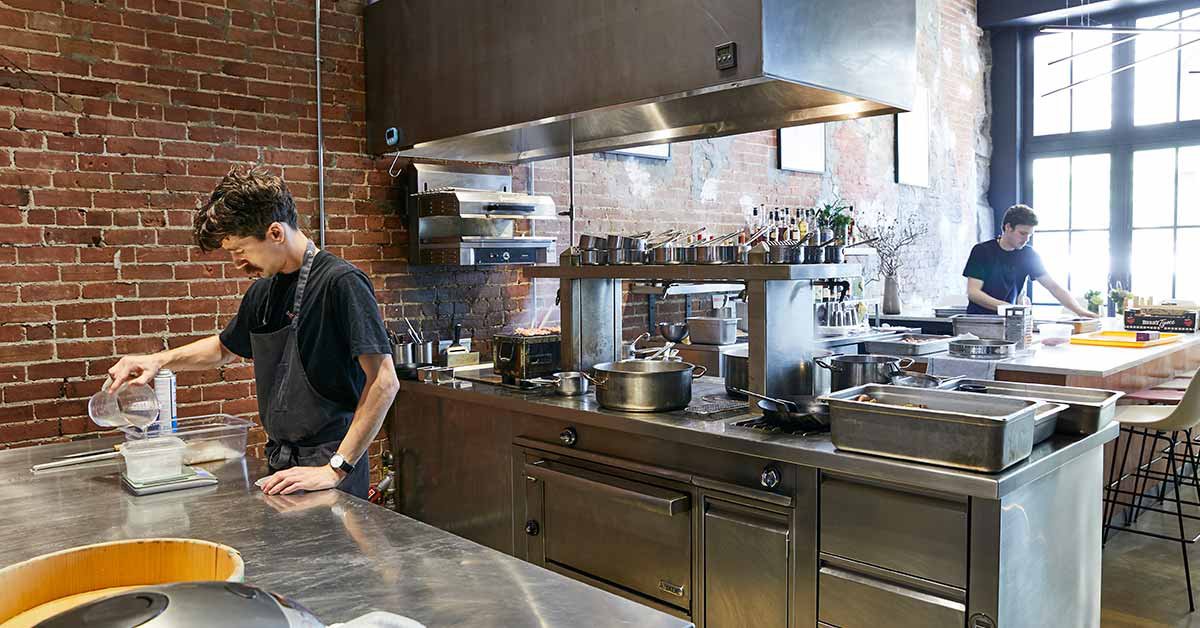
Aspiring restaurateurs often dream of a professional kitchen that is both a testament to their culinary vision and kind to their startup capital. Designing the heart of a restaurant does not need to break the bank if approached with a clear strategy and a strict focus on long-term operational efficiency. A well-outlined plan maximizes every single dollar spent and ensures seamless food preparation from day one. Keep reading to uncover savvy tips on equipping your kitchen without compromising quality, safety, or daily performance.
Mapping Your Menu to Your Equipment List
Mapping your menu items directly to your equipment list helps prevent costly over-purchasing before service begins. Every single piece of heavy machinery in a commercial kitchen should serve a clear purpose tied directly to your core culinary offerings and projected customer volume. Reviewing your menu item by item allows you to eliminate unnecessary luxury items that sit idle and drain working capital. Once you establish these foundational menu priorities, you can build a logical financial framework for your startup costs.
| Kitchen Zone | Essential Equipment Examples | Budget Allocation Strategy |
|---|---|---|
| Hot Side | Ranges, convection ovens, fryers | Prioritize heavy-duty build quality for high-turnover items |
| Cold Side / Refrigeration | Reach-in refrigerators, prep tables | Invest in reliable temperature controls to prevent food safety failures |
| Sanitation | Commercial dishwashers, three-compartment sinks | Select high-efficiency models to lower chemical and water waste |
| Preparation | Slicers, mixers, stainless steel work tables | Look for durable stainless steel surfaces that withstand daily wear |
Smart Sourcing: Buying New, Used, and Refurbished Commercial Equipment
Sourcing commercial kitchen equipment through a mix of certified pre-owned units, liquidation auctions, and modern financing models significantly reduces upfront financial pressure. Finding equipment that is both reliable and affordable requires exploring multiple acquisition channels rather than buying everything brand new from a single distributor. Purchasing last year’s models, showroom floor samples, or closeout inventory from equipment suppliers results in substantial cost savings while still carrying manufacturer warranties. For restaurant operators looking for additional bargains on smaller items or furnishings, exploring how to spot high quality secondhand goods on a budget can uncover high-end goods at a fraction of retail cost.
Beyond traditional secondhand markets, exploring commercial equipment leasing or Equipment-as-a-Service agreements can ease cash flow constraints. Many modern suppliers offer flexible payment plans that let you acquire necessary machinery without draining your liquid reserves. It is also worth monitoring local restaurant closures and commercial kitchen renovations, as closing businesses frequently sell heavy-duty appliances quickly and affordably. Always verify that used refrigeration units and complex cooking ranges are inspected by a certified technician before finalizing any purchase.
The Power of Multi-Function and Ventless Appliances
Investing in multi-function appliances and ventless units cuts down on both physical footprint size and expensive kitchen ventilation installation costs. Equipment that serves multiple culinary purposes saves precious floor space and reduces the total number of individual appliances you need to purchase. For example, a modern combination oven can seamlessly perform the tasks of a traditional convection oven, a steamer, and a grill within a single compact footprint. Similarly, blast chillers and shock freezers safely cool large batches of cooked food rapidly, satisfying food safety regulations while optimizing your prep schedule.
Ventless cooking equipment represents another major financial saver for restaurant owners dealing with restricted real estate or strict landlord limitations. Traditional hood installation and complex HVAC buildouts can easily consume a massive portion of a kitchen renovation budget. Choosing ventless fryers, ovens, or induction cooktops minimizes or eliminates the need for expensive rooftop exhaust systems. Analyzing which combinations of functions will be most heavily utilized in your daily operations ensures your multi-use investments deliver maximum practical value.
Calculating Total Cost of Ownership (Energy and Maintenance)
Calculating the total cost of ownership reveals why the initial purchase price is only part of your overall kitchen financial equation. Energy Star-rated appliances may carry a slightly higher upfront price tag, but they dramatically decrease monthly utility bills over years of continuous operation. Commercial kitchens consume vast amounts of electricity, gas, and water, making energy efficiency a crucial factor for protecting your operating margins. Reviewing utility consumption metrics helps you choose equipment that pays for itself through lower ongoing utility expenses.
Maintenance liabilities and warranty terms also demand careful scrutiny before signing purchase agreements. Choosing manufacturers known for reliable customer support and accessible replacement parts prevents prolonged downtime when a machine fails. Establishing relationships with reputable local service technicians ensures you can secure prompt repairs without paying emergency service surcharges. When you understand both the energy footprint and upkeep requirements of your machinery, your budget remains safe from unexpected long-term expenses.
Building a Proactive Kitchen Maintenance and Monitoring Routine
Building a proactive kitchen maintenance and monitoring routine protects your equipment lifespans and prevents catastrophic service interruptions during peak operating hours. Regular servicing stops minor mechanical issues from escalating into expensive emergency breakdowns that halt service. Create a structured maintenance checklist that clearly outlines daily, weekly, and monthly upkeep tasks for every machine in the kitchen. To maintain a functional workspace, you can also look into how to style functional restaurant spaces and manage layout flows effectively.
Empowering your culinary team through proper equipment training fosters accountability and reduces accidental damage caused by improper handling. Documenting standard operating procedures and keeping maintenance logs accessible to all staff members ensures everyone takes pride in their workspace. Furthermore, many modern restaurants utilize digital Equipment Maintenance Management Software or Internet of Things temperature sensors to monitor refrigeration units automatically. These digital tools alert management to temperature spikes or mechanical anomalies instantly, protecting your inventory from spoilage and saving money over the life of your restaurant. When updating your overall venue setup or refreshing your dining room seating to complement your efficient back-of-house, reviewing seasonal restaurant furniture trends can provide extra inspiration for cohesive design.
Frequently Asked Questions
What percentage of a restaurant startup budget should go to the kitchen?
While budgets vary based on the cuisine and scale, the kitchen buildout and equipment package typically consume anywhere from 25% to 35% of total startup capital.
Is it safe to buy used commercial refrigeration equipment?
Buying used refrigeration is safe if the unit is tested, certified by a technician, and comes with a short-term warranty, though compressors nearing the end of their lifespan should be avoided.
What are the main benefits of Equipment-as-a-Service models?
Equipment-as-a-Service agreements allow restaurants to use top-tier machinery with lower upfront costs while often bundling maintenance and upgrades into a predictable monthly fee.
How do ventless appliances save money during a buildout?
Ventless appliances eliminate the need to construct complex overhead commercial ventilation hoods and expensive rooftop exhaust ductwork, saving thousands in construction costs.
How often should commercial kitchen equipment be professionally serviced?
Heavy-use equipment like refrigeration compressors, ovens, and exhaust systems should generally undergo professional preventative maintenance at least twice a year.
Should I prioritize buying new or used smallwares?
Smallwares like pots, pans, and utensils endure heavy wear and tear, but buying durable commercial-grade items used or from surplus sales is a great way to save money.
Disclaimer: Kitchen outfitting costs, equipment availability, and financing terms fluctuate based on geographic location and economic conditions. Readers should verify final specifications, utility requirements, and warranties directly with equipment manufacturers and official suppliers before making major purchasing decisions.

Daniel J. Morgan is the founder of Invidiata Magazine, a premier publication showcasing luxury living, arts, and culture. With a passion for excellence, Daniel has established the magazine as a beacon of sophistication and refinement, captivating discerning audiences worldwide.


