

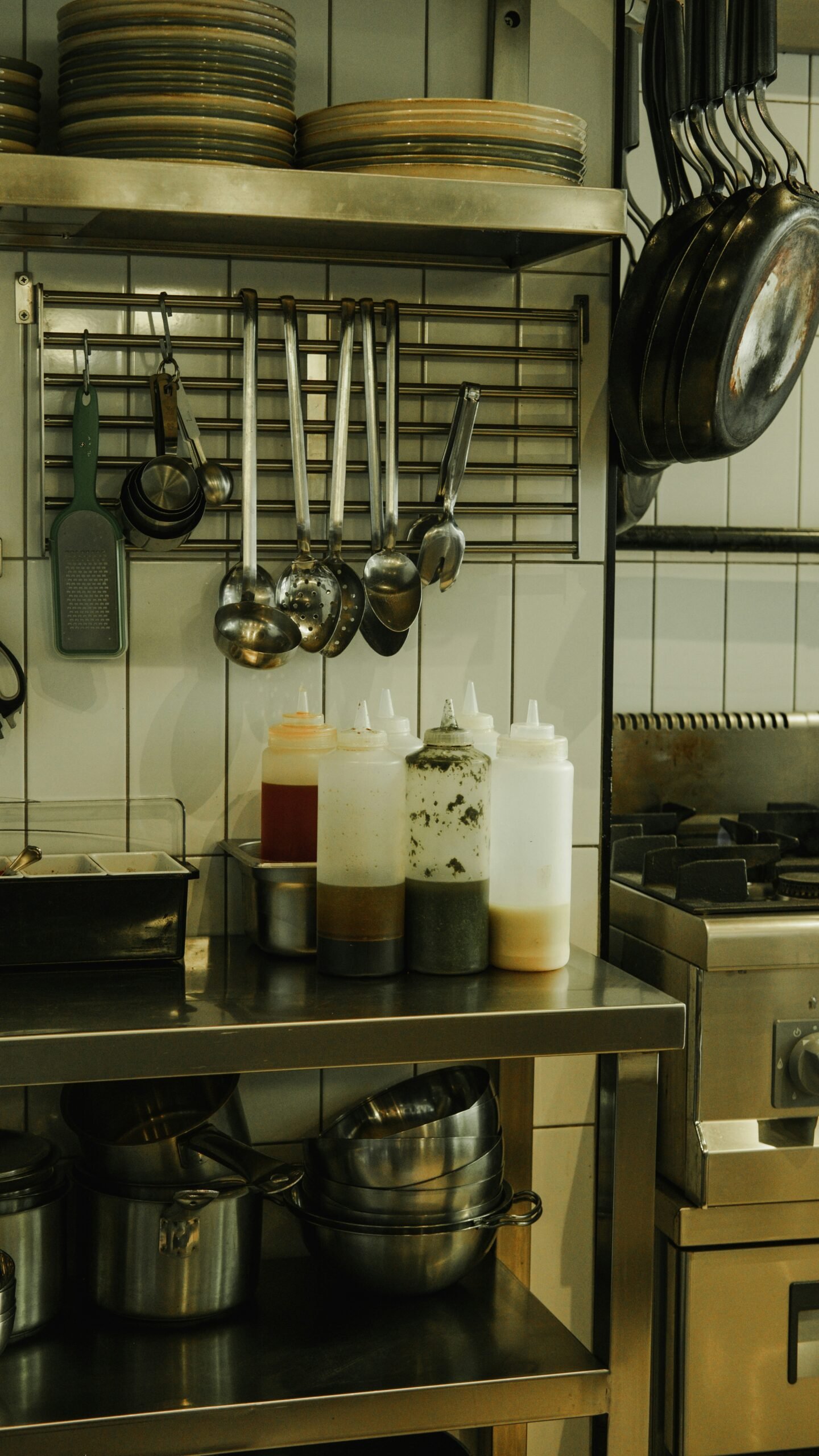
Finding ways to maximize space in a tight cooking area is a challenge that many home chefs face regardless of their total square footage. When countertops fill up with small appliances, spice containers, and mixing bowls, food preparation becomes difficult and frustrating. Installing a stainless steel wall shelf offers a streamlined way to move everyday cooking gear upward, freeing your workspace without requiring a major kitchen remodel.
Brands like AmGood manufacture metal wall-mount shelves that bring restaurant-grade organization into residential homes. These units provide reliable holding strength for heavy pots and pans while maintaining a clean, modern aesthetic. Understanding how vertical metal shelving transforms a cramped layout helps you select the correct size, depth, and mounting hardware for your specific walls.
Reclaiming Counter Space Through Vertical Metal Storage
Vertical metal shelving clears precious prep surfaces by shifting heavy cookware and frequent ingredients off your countertops.
Traditional base cabinets in small kitchens fill up quickly, leaving very little room for food chopping, mixing, and plating. Fastening a sturdy metal shelf directly to your wall creates an extra tier of storage right where you need it most. This elevated placement keeps essential tools within arm’s reach while preventing clutter from taking over your primary work zones. Whether you live in a compact urban apartment or a cozy cottage, utilizing bare wall space instantly improves your daily cooking workflow.
Material Advantages of Heavy-Duty Metal Shelving
Metal surfaces resist moisture, heat, and daily wear better than traditional wood or laminate alternatives in busy cooking zones.
When steam, hot oil splashes, and moisture fill your kitchen, standard wooden shelves can warp, stain, or degrade over time. High-grade stainless steel features a non-porous finish that blocks moisture absorption and discourages bacteria growth. This material stands up effortlessly to hot baking sheets straight out of the oven and wipes clean with minimal effort after messy meal prep sessions. Choosing a metal construction ensures your investment remains structurally sound and visually polished for years of continuous use.
Selecting Specific AmGood Shelf Configurations
Matching your kitchen layout with the right AmGood shelf style ensures optimal clearance and storage efficiency.
Kitchen layouts vary wildly, meaning a standard flat wall shelf is not always the only option available for your space. Over-shelf attachments sit above existing prep tables or commercial equipment to add tiered storage levels. Under-shelf brackets utilize the dead space beneath hanging cabinets to hold smaller jars and utensils. Reviewing your floor plan and measuring aisle clearances helps determine whether a shallow 10-inch shelf or a deeper 14-inch unit fits best without bumping into doors or appliances.
Structural Safety and Secure Wall Installation
Anchoring your hardware directly into wooden studs prevents heavy loads from pulling free under the weight of cast iron or dishware.
Safety is paramount when mounting heavy metal fixtures onto residential drywall or tile surfaces. Always use an electronic stud finder to locate framing supports before drilling any mounting holes. If a stud does not align with your bracket pre-drilled slots, you must install heavy-duty toggle bolts or appropriate drywall anchors designed for high shear loads. Taking time to level each bracket prior to screwing the metal platform into place guarantees a sturdy, wobble-free installation.
Daily Upkeep and Surface Protection Strategies
Routine cleaning routines keep stainless steel finishes free from grease film and water spots.
Airborne grease and mineral deposits from tap water can quickly dull the brilliant finish of an exposed kitchen shelf. Maintaining a bright appearance requires wiping down the metal surfaces regularly using a soft cloth dampened with warm water and mild dish soap. Always stroke along the direction of the brushed metal grain to avoid creating hairline scratches. For more home improvement tips and ways to keep your living space tidy, you can read our guide on how to keep a small bungalow spotless.
Frequently Asked Questions
What weight can a standard stainless steel wall shelf hold?
Weight capacity depends heavily on the shelf length, thickness, and how securely it is anchored into wall studs, with typical residential units holding between 50 and 150 pounds when properly installed.
Are stainless steel shelves difficult to install on drywall?
Installation requires a level, a stud finder, a drill, and appropriate wall anchors if studs are not aligned with the mounting bracket holes, making careful planning essential for safety.
Can stainless steel wall shelves rust in a humid kitchen?
High-quality stainless steel contains chromium, which forms a passive layer that resists rust and corrosion even in steamy, moisture-heavy kitchen environments.
How do I clean grease splatters off a metal kitchen shelf?
Warm water mixed with a few drops of dish soap or a specialized stainless steel cleaner easily cuts through kitchen grease without harming the metal finish.
What is the difference between residential and commercial stainless steel shelves?
Commercial shelves usually feature heavier gauge steel, thicker support brackets, and higher load ratings to withstand rigorous restaurant use, whereas residential models prioritize lighter weight and sleek home aesthetics.
How do I choose the right shelf depth for my small kitchen?
Measure the clearance space in your kitchen walkway to ensure a protruding shelf does not obstruct movement or bump into cabinet doors and refrigerator panels.
Are AmGood stainless steel shelves easy to wipe down?
AmGood shelves feature smooth, brushed metal surfaces that wipe clean effortlessly with a damp cloth, helping maintain a sanitary food prep area.
Disclaimer: Product specifications, weight capacities, and installation requirements for stainless steel shelving can vary by manufacturer and wall type. Always verify official product instructions and consult a professional contractor if you are unsure about structural wall strength before installation.


