
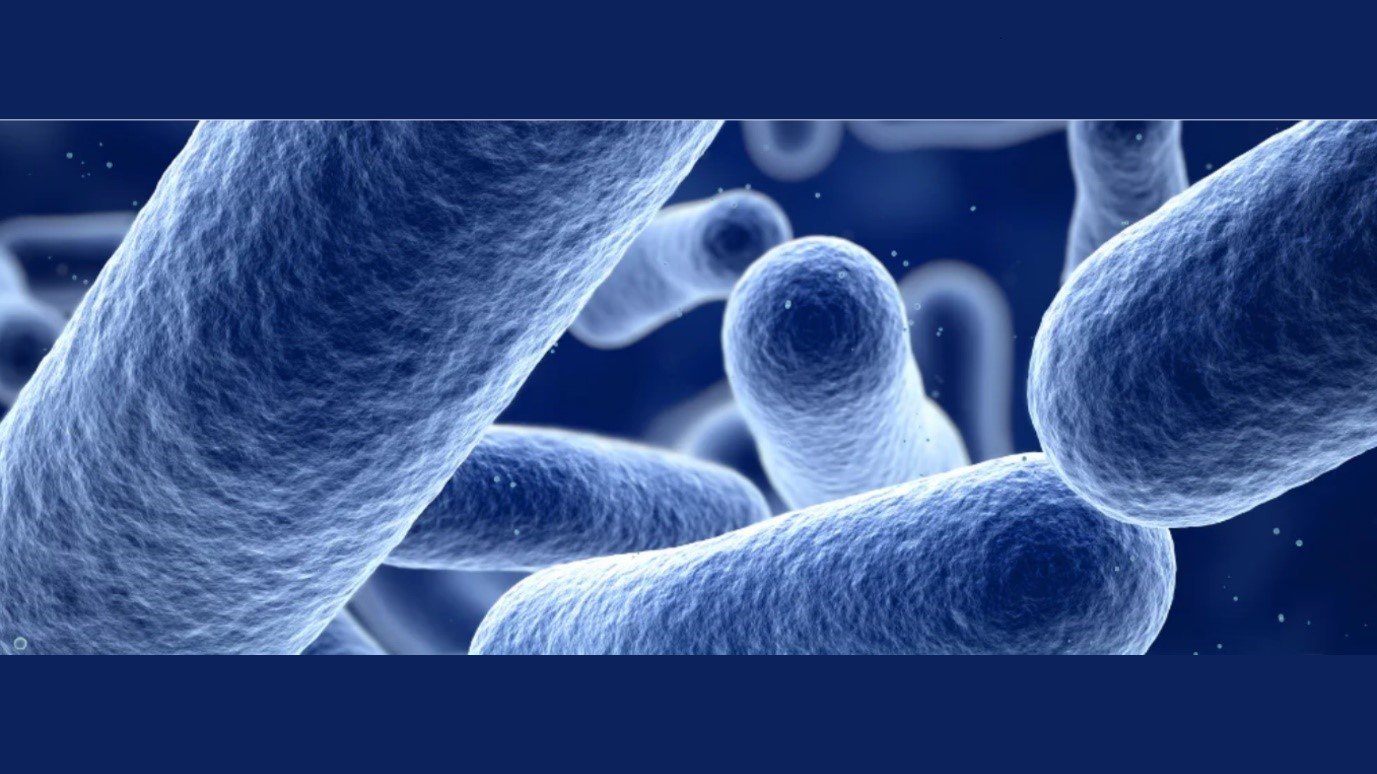
Scientific exploration into human digestion has shifted dramatically away from basic multi-strain powders toward targeted microbial species that interact directly with the intestinal wall. Among these specialized organisms, the akkermansia muciniphila probiotic has emerged as a focal point for researchers studying mucosal barrier integrity and metabolic signaling. Understanding how this unique bacterium operates helps explain why modern wellness protocols view intestinal lining maintenance as a cornerstone of overall vitality.
What Is Akkermansia Muciniphila and Where Does It Live?
Akkermansia muciniphila is a specialized anaerobic bacterium that naturally colonizes the innermost mucous layer coating the human large intestine. First isolated and characterized in 2004, this member of the Verrucomicrobia phylum typically makes up roughly three to five percent of a healthy microbiome population. Unlike typical lactic acid bacteria that float freely within the gut lumen, Akkermansia muciniphila is uniquely equipped to degrade and utilize mucin proteins as its primary carbon and nitrogen source.
This biological dependency creates a mutually beneficial relationship with the host. By consuming older mucin structures, the bacterium signals intestinal goblet cells to secrete fresh, robust mucus layers. This constant turnover reinforces the physical barrier that separates luminal contents and microbes from direct contact with epithelial tissue.
How Live Cultures Differ From Pasteurized Preparations
Clinical trials involving Akkermansia muciniphila frequently evaluate both live anaerobic strains and heat-treated, pasteurized preparations to determine optimal delivery formats. Because the bacterium is strictly sensitive to oxygen, formulating viable live capsules requires sophisticated manufacturing techniques to prevent cellular degradation prior to ingestion.
Interestingly, scientific data demonstrates that pasteurized Akkermansia muciniphila retains significant biological activity because its outer membrane proteins remain intact during the thermal inactivation process. These specific surface proteins interact directly with immune receptors and intestinal epithelial cells, providing metabolic support and barrier enhancement without requiring the organism to establish permanent live colonization.
How Akkermansia Supports Intestinal and Metabolic Wellness
Akkermansia muciniphila influences systemic health primarily by maintaining tight junction proteins and reducing low-grade systemic inflammation linked to dietary stress. When mucosal defenses weaken, unwanted metabolic byproducts can cross into the bloodstream, triggering immune responses that disrupt glucose regulation and lipid metabolism.
By preserving the structural integrity of the intestinal lining, adequate populations of this bacterium help modulate gut permeability. Clinical observations indicate that individuals with higher natural abundance or supplemented levels frequently exhibit improved insulin sensitivity and more stable postprandial metabolic markers.
What to Look For in Commercial Supplement Options
The consumer market for targeted mucin-degrading bacterial products has matured significantly, moving past early experimental phases into strictly regulated wellness categories. Regulatory pathways like Novel Foods frameworks and FDA notification processes now oversee how these specialized formulations enter commercial supply chains.
When selecting a commercial product, buyers should examine ingredient labels carefully to distinguish between live-culture formats and pasteurized cell suspensions. Furthermore, verifying independent third-party purity testing ensures that the final capsule matches the potency and safety standards claimed by the manufacturer.
Natural Dietary Strategies to Encourage Growth
Individuals can encourage indigenous populations of Akkermansia muciniphila to flourish by consuming specific prebiotic fibers and polyphenol-rich plant compounds that nourish the gut environment. Providing the digestive tract with complex carbohydrates ensures that intestinal goblet cells have the necessary substrates to generate abundant mucin layers.
Dietary strategies that support this microbial ecosystem include incorporating soluble fibers from oats, flaxseeds, and chicory root, alongside antioxidant-dense foods such as berries, green tea, and dark chocolate. Conversely, minimizing heavily processed foods and excessive added sugars prevents the microbial shifts that typically starve out beneficial mucin-dependent species.
Safety Considerations and Who Should Consult a Professional
While targeted microbial supplementation is generally well-tolerated by healthy adults, individuals dealing with severe immune suppression or acute gastrointestinal disorders should proceed with caution. Anyone embarking on a new targeted supplement regimen should consult a qualified clinician or physician first. For readers eager to expand their understanding of how daily habits influence systemic wellness, exploring holistic health learning paths can offer valuable insights into balancing diet, lifestyle, and modern microbiome science.
Frequently Asked Questions
What defines Akkermansia muciniphila within the human microbiome?
Akkermansia muciniphila is a specialized gut bacterium that consumes mucin proteins in the intestinal lining, helping maintain barrier strength and metabolic balance.
Why do some commercial products use pasteurized strains?
Pasteurization creates a heat-killed, highly stable product while keeping the outer membrane proteins intact to interact beneficially with immune cells.
Can diet alone restore low levels of this bacterium?
Consuming diverse prebiotic fibers and polyphenol-rich foods creates an optimal mucosal environment that encourages indigenous population growth.
What side effects might occur when starting these supplements?
Most individuals experience no adverse effects, though mild and temporary changes in bowel habits can happen during initial dietary or microbial adjustments.
Who stands to gain the most from these specialized probiotics?
People seeking to support metabolic wellness, glucose regulation, or mucosal barrier integrity often integrate these specialized formulations into their routines.
Are these targeted gut products available by prescription?
No, Akkermansia muciniphila supplements are sold over-the-counter as advanced dietary wellness products rather than prescription medications.
Disclaimer: The details shared in this article are for informational and educational purposes only and do not replace professional medical advice. Individuals should consult a healthcare provider before modifying any supplement or wellness routine.

Daniel J. Morgan is the founder of Invidiata Magazine, a premier publication showcasing luxury living, arts, and culture. With a passion for excellence, Daniel has established the magazine as a beacon of sophistication and refinement, captivating discerning audiences worldwide.


