

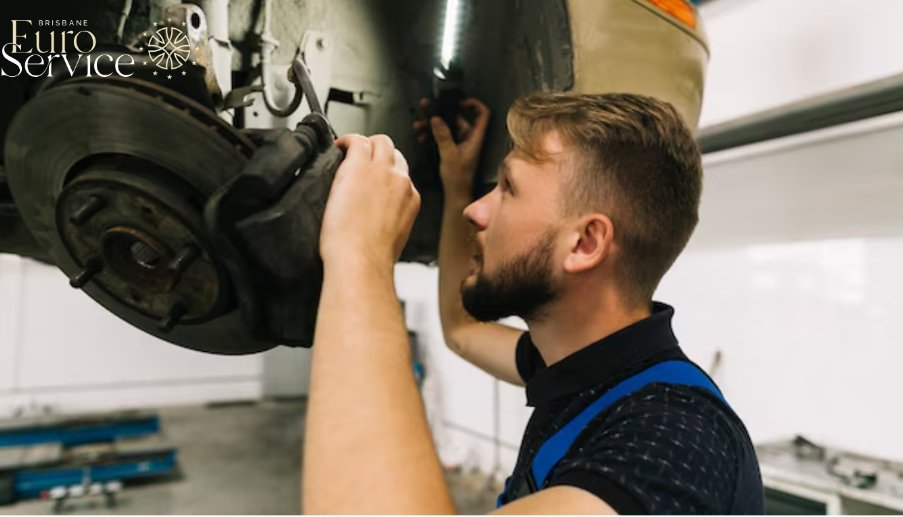
Your vehicle’s braking and transmission systems are essential for everyday road safety, responsive handling, and overall mechanical longevity. European car models require specialized engineering attention, particularly when dealing with complex electronic sensors and high-performance friction components. Brisbane Euro Service provides targeted mechanical diagnostics to ensure every import automobile operates safely on local roads. Professional oversight protects critical parts from premature wear while delivering consistent driving confidence across all conditions.
Whether you need routine pad maintenance or intricate hydraulic troubleshooting, expert craftsmanship prevents minor issues from escalating into expensive mechanical failures. Modern automotive systems demand precision tooling and manufacturer-approved components to preserve vehicle performance. Car owners seeking reliable mechanical care can also explore professional guidance on the advantages of choosing experts for reliable vehicle shipping when transporting specialized automobiles across distances.
Why European Vehicles Demand Specialized Brake and Clutch Engineering
Precision engineering in European cars requires specialized technical knowledge that standard general mechanics often lack.
Automotive manufacturers in Europe integrate sensitive computerized modules and unique pad compounds designed to maximize stopping efficiency. Standard replacement parts can compromise braking friction and trigger dashboard error codes. Brisbane Euro Service utilizes advanced diagnostic scanners to calibrate electronic parking brakes and anti-lock systems accurately. Preserving the delicate balance between engine torque and transmission engagement relies heavily on technician experience and proper workshop equipment.
Workmanship standards at the Brisbane workshop focus on long-term reliability rather than temporary fixes. Every mechanical inspection evaluates the complete assembly, including calipers, hydraulic lines, and flywheel integrity. This thorough approach ensures that luxury and import vehicles maintain their factory-intended driving dynamics.
Early Warning Indicators of Transmission and Stopping Failures
Recognizing specific mechanical symptoms early allows drivers to avoid hazardous driving situations and severe component damage.
Braking systems typically provide clear auditory and physical warnings when friction materials reach their operational limit. High-pitched squealing indicates built-in wear indicators are touching the rotor surface. Grinding noises signal metal-on-metal contact that can instantly ruin expensive brake discs. Drivers experiencing a spongy pedal feel or a vehicle pulling to one side should seek immediate professional inspection.
Manual and dual-clutch transmissions exhibit distinct behavioral shifts when internal parts wear down. Difficulty engaging gears, clutch pedal hesitation, or noticeable slipping during acceleration point toward failing pressure plates. Addressing these transmission symptoms promptly prevents total immobilization on busy urban thoroughfares.
Technical Precision in European Brake Rotor and Pad Replacement
Replacing friction components on import models requires strict adherence to manufacturer torque specifications and surface measurement standards.
European brake pads work in direct conjunction with rotors to convert kinetic energy into controlled thermal dissipation without warping sensitive hardware. Premium replacement materials ensure consistent pedal feel across varying temperatures without generating excessive black wheel dust. Technicians thoroughly clean caliper slide pins and measure rotor thickness against minimum safety tolerances before installation.
Hydraulic fluid condition also dictates overall braking responsiveness over time. Flushing old fluid eliminates moisture contamination and vapor lock risks, restoring firm hydraulic pressure to the entire stopping network.
Managing Dual-Mass Flywheels and Import Clutch Assembly Servicing
Manual transmission upkeep for import vehicles involves precise adjustments to master cylinders, release bearings, and sophisticated dual-mass flywheels.
Modern European gearboxes frequently utilize dual-mass flywheels designed to absorb engine vibrations and harsh torsional forces. When these flywheels develop excessive play, drivers often notice cabin vibrations or shuddering during initial gear engagement. Brisbane Euro Service mechanics inspect the entire clutch assembly to determine whether resurfacing or complete component replacement is necessary.
Proper clutch hydraulic bleeding ensures smooth pedal travel and prevents premature wear on transmission syncros. Maintaining correct pedal free-play guarantees that power transfers efficiently from the crankshaft to the gearbox.
Advanced ABS and Stability Control Diagnostics for Import Models
Computerized stability systems in European automobiles rely on real-time data feeds from wheel speed sensors to prevent skidding during emergency maneuvers.
An illuminated ABS or traction control warning light indicates an electronic fault within the sensor harness or hydraulic modulator valve. Specialized diagnostic software allows technicians to isolate faulty circuit wiring or defective wheel sensors quickly. Restoring full anti-lock functionality ensures that the vehicle maintains steering control when sudden braking is required on wet or slippery road surfaces.
The Brisbane Euro Service Advantage for European Car Owners
Choosing a dedicated European vehicle specialist guarantees transparent communication and uncompromising technical standards for every repair.
Customer satisfaction stems from clear diagnostic explanations and honest pricing before any mechanical work begins. Premium replacement parts ensure that vehicle warranties remain protected and performance standards stay high. Local drivers rely on this technical expertise to keep their import cars running reliably through daily commuting and weekend travel.
Frequently Asked Questions
How often should European vehicle brakes be inspected?
Brakes should undergo professional inspection at least every 10,000 to 12,000 kilometers, or during every scheduled seasonal service interval.
What causes a steering wheel to shake during braking?
Steering wheel vibrations during braking are typically caused by warped or unevenly worn brake rotors that require machining or replacement.
Can I continue driving with a slipping clutch?
Driving with a slipping clutch generates extreme heat that can permanently warp the flywheel and damage the transmission casing.
Why are European brake pads different from standard pads?
European pads often use specialized high-friction ceramic or semi-metallic compounds tailored to heavier vehicle weights and higher autobahn speeds.
How long does a complete clutch replacement take?
A standard clutch replacement generally takes between one to two full working days due to the complex labor involved in removing the transmission.
What indicates low brake fluid in a vehicle?
A dashboard warning light, a soft or sinking brake pedal, and reduced stopping responsiveness are primary indicators of low brake fluid or hydraulic leaks.
Disclaimer: Automotive mechanical specifications and service intervals vary by exact manufacturer make and model. Readers should verify specific repair details and maintenance guidelines directly with official sources or qualified technicians.

Passionate content writer and savvy blog publisher, Aamir crafts compelling stories and insightful articles that captivate and inform. With a knack for blending creativity and strategy, they bring fresh perspectives to every piece. Dive into their world of words and discover content that resonates.


[…] to expand their understanding of specialized mechanical care, exploring expert insights into Brisbane brake and clutch maintenance provides a great perspective on keeping heavy automotive systems properly […]