

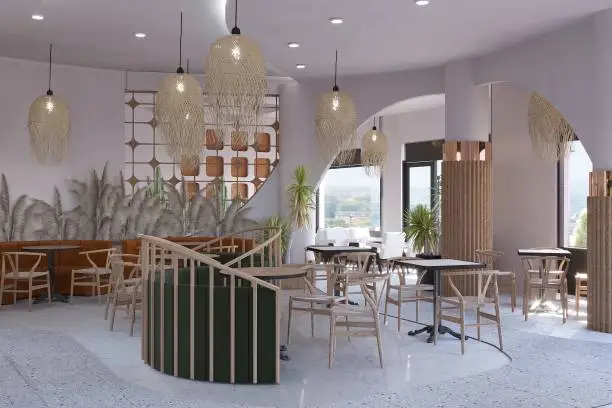
Opening a new cafe in Dubai can be an exciting venture, but managing a budget while creating an inviting and stylish interior can be challenging. With the right approach and creative solutions, business owners can achieve remarkable cafe interior design in Dubai without overspending on unnecessary items. Understanding local design nuances and smart resource allocation helps establish a memorable destination for coffee lovers who expect both visual appeal and a welcoming community atmosphere.
Understanding Dubai Cafe Fit-Out Costs and Realities
New operators must carefully evaluate shell-and-core expenses versus fitted commercial spaces to prevent budget overruns early in the project lifecycle. Renting a commercial location in bustling districts like Downtown, Jumeirah, or DIFC requires balancing high lease rates with remaining capital for structural layouts and aesthetic finishes. Owners should allocate financial reserves strategically across essential fixtures like ventilation systems, plumbing, and primary customer seating zones before committing funds to decorative styling elements.
Navigating commercial leasing agreements also means accounting for municipality approvals and health authority guidelines from the outset. Engaging contractors who understand local regulations prevents costly delays during fit-out inspections. Planning for these regulatory expenses ahead of time ensures that design ambitions do not clash with mandatory compliance requirements.
Smart Zoning and Flexible Layouts for Small Footprints
Thoughtful floor planning maximizes seating capacity and traffic flow without making a compact room feel cramped or uncomfortable. Designing a flexible layout allows staff to reconfigure furniture easily for private events, community gatherings, or seasonal shifts in customer volume. Rather than overcrowding the floor with rigid seating rows, smart cafe operators create distinct zones featuring counter-height stools, relaxed lounge corners, and intimate two-person tables that encourage lingering patrons to stay longer.
Maximizing space efficiency also involves considering how customers move through the ordering queue and collect their beverages. Separating the pickup counter from main thoroughfares prevents bottlenecks during peak morning rush hours. Utilizing vertical wall space for shelving and menu displays further frees up precious floor area for comfortable customer seating.
Sourcing Materials Locally Without Breaking the Bank
Sourcing furnishings and construction materials from regional industrial hubs drastically cuts down on international shipping expenses and custom fabrication delays. Local suppliers located throughout industrial areas like Al Quoz offer durable commercial-grade tables, chairs, and modular joinery at a fraction of imported retail prices. Utilizing modular cabinetry and adaptable shelving units also allows business owners to reconfigure storage areas or display counters as the menu evolves over time.
Partnering with regional manufacturers supports local craftsmanship while ensuring replacement parts or furniture repairs remain accessible. Sourcing locally eliminates the risk of extended custom import delays that often stall grand openings. This hands-on approach to material procurement keeps capital expenditures firmly under control.
Maximizing Natural Light and Cost-Effective Lighting Layers
Managing Dubai’s intense natural sunlight effectively requires clever window treatments alongside layered interior illumination that transitions smoothly into evening ambiance. Floor-to-ceiling glass storefronts common in modern developments benefit from glare-reduction films or simple sheer window treatments that protect patrons from harsh rays while maintaining an open feel. For indoor lighting, affordable LED fixtures and warm-toned pendant lamps placed over seating groupings create an inviting atmosphere when paired with electronic dimmers.
Creating lighting zones helps define different moods throughout the operational day. Bright illumination near service counters ensures efficient staff workflows, while softer, warmer downlights over tables foster relaxation. Combining natural daylight with adaptable artificial lighting reduces overall energy consumption while keeping the interior visually dynamic.
Creating Visual Focal Points on a Tight Budget
Strategic wall treatments, low-maintenance indoor greenery, and custom artwork produced by regional talent help establish a distinct brand identity affordably. Instead of expensive imported tilework, textured wall paints, lime wash finishes, or removable mural decals can transform plain drywall into striking photographic backdrops. Introducing resilient indoor plants such as snake plants or ZZ plants adds organic texture and warmth while improving indoor air quality with minimal upkeep required from staff.
Investing in unique design details that catch the eye creates natural social media traction without requiring expensive marketing campaigns. Thoughtfully curated decor elements give spaces a distinct personality that resonates with modern coffee culture enthusiasts. Balancing minimalism with statement accents keeps overhead design costs manageable.
Working with Contractors and Designers on a Fixed Budget
Partnering with a professional designer who understands local municipal regulations and UAE commercial fit-out standards saves money over the long term by avoiding costly compliance mistakes. Vetting local contractors who have proven experience with small-scale hospitality projects helps secure realistic pricing estimates and reliable milestone timelines. Clear communication regarding budget boundaries ensures that creative concepts remain grounded in financial reality from the initial blueprint stage right through to final inspection.
Establishing transparent contracts with detailed milestone payments protects both the business owner and the fit-out team throughout construction. Regular on-site walk-throughs ensure that work progresses according to the agreed design specifications. Maintaining open dialogue prevents misunderstandings and keeps the project on schedule.
For more on exploring broader aesthetic concepts and historical design movements, see our guide on Van Gogh’s influence on café culture and modern cafés’ interior design.
Frequently Asked Questions About Cafe Design in Dubai
How much does a basic cafe fit-out cost in Dubai?
Fit-out expenses vary widely based on the size of the unit and the condition of the commercial property, but careful budgeting helps control overhead costs significantly.
What interior styles are currently popular in Dubai cafes?
Minimalist aesthetics, warm earthy tones, and sustainable or upcycled materials are trending strongly across Dubai’s vibrant specialty coffee community.
How can I make a small cafe look larger?
Using light color palettes, strategic mirrors, and multifunctional furniture helps create an open, airy environment in compact spaces.
Are interior designers necessary for a budget-focused cafe?
While hiring a professional is optional, an experienced designer often prevents costly mistakes and finds affordable local alternatives for complex build requirements.
Where can I source affordable cafe furniture in Dubai?
Local industrial zones and regional wholesale suppliers offer durable, stylish commercial furniture options that bypass expensive import fees.
How do I handle intense natural sunlight in glass-front cafes?
Applying UV-blocking window films or hanging light sheer curtains protects guests from harsh glare while preserving street views.
Disclaimer: Interior design costs, material availability, and municipal regulations in Dubai are subject to change. New cafe owners should verify all licensing, zoning, and fit-out requirements directly with official UAE authorities and qualified local contractors before beginning construction.


