
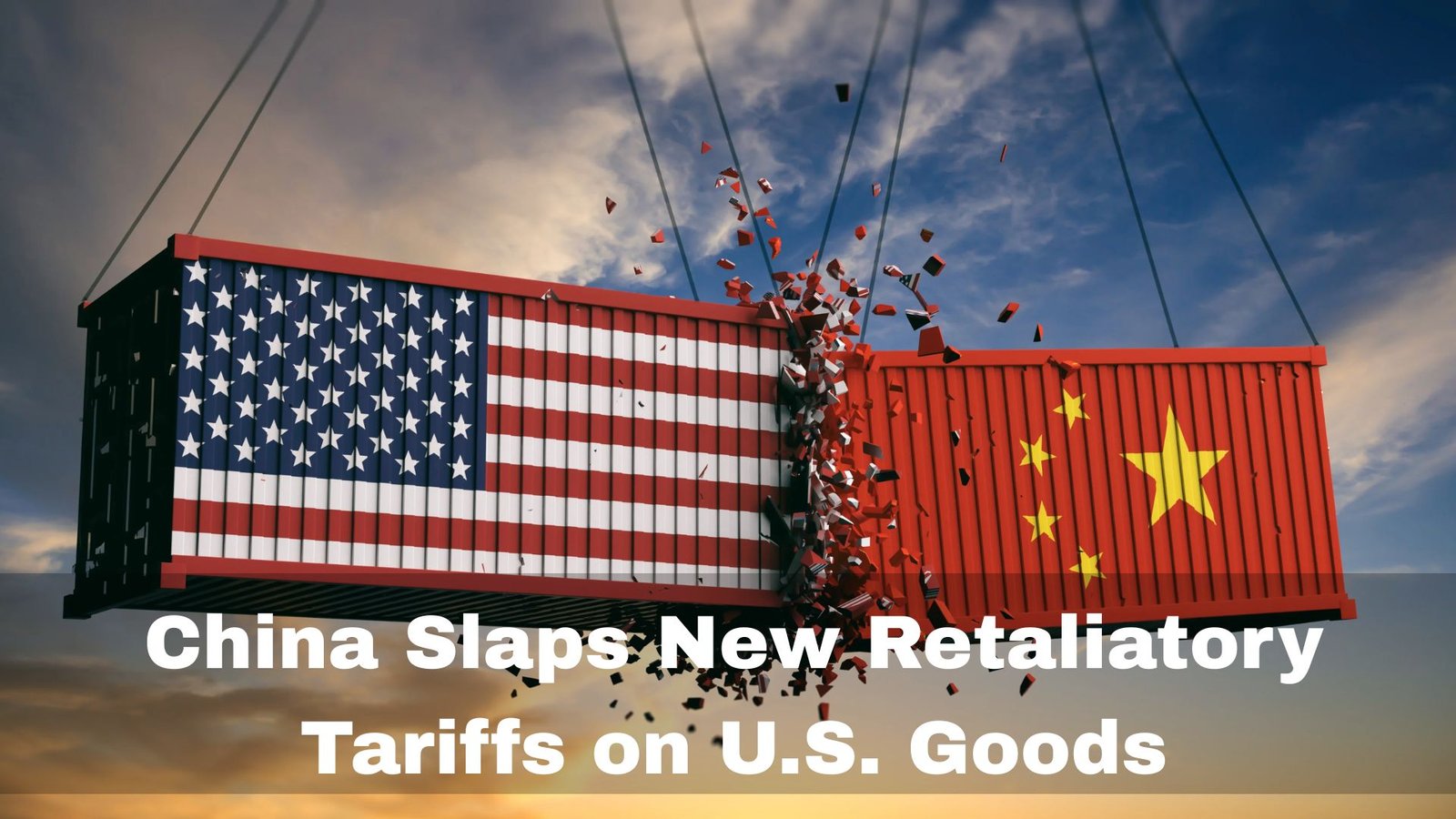
International commerce relies on stable frameworks, yet bilateral trade policies between the United States and Beijing frequently experience sudden disruption. When governments impose steep duties on cross-border merchandise, manufacturers and importers face immediate financial pressures that ripple across global markets. Beijing’s targeted response to American trade barriers highlights the fragile nature of modern manufacturing ecosystems and the cascading costs borne by global enterprises.
Bilateral Escalation and Effective Tax Burdens
Bilateral tariff escalation occurs when retaliatory duties compound over successive legislative rounds, driving effective tax burdens on cross-border merchandise to extreme levels. Importers handling technology hardware, agricultural commodities, and automotive components must decide whether to absorb these rising costs or pass them downstream. This ongoing friction alters profit margins for multinational corporations while introducing severe predictability challenges into corporate procurement planning.
To understand the magnitude of these policy changes, policymakers and economists track effective tax rates across key imported product categories. The following breakdown illustrates how cumulative duties reshape import expenses for businesses operating within Sino-American supply chains.
| Merchandise Sector | Primary Import Impact | Corporate Response Strategy |
|---|---|---|
| Consumer Electronics | Immediate component cost inflation | Preemptive inventory stockpiling |
| Automotive Parts | Supply chain bottlenecks and delays | Sourcing diversification outside China |
| Agricultural Commodities | Export volume contraction | Redirecting shipments to alternative markets |
Structural Trade Deficits and Beijing’s Domestic Strategy
Structural trade imbalances heavily influence how Chinese leadership navigates economic standoffs with Washington, given that American markets absorb vastly more Chinese manufactured exports than vice versa. Because of this persistent trade deficit, trade officials in Beijing frequently leverage alternative economic buffers rather than relying solely on reciprocal trade concessions. State planners often utilize domestic consumption initiatives and regional trade agreements across Asia to sustain industrial output despite external export friction.
This structural disparity explains why traditional diplomatic leverage often fails to achieve quick policy reversals during intense trade disputes. Chinese manufacturing centers maintain deep integration with global supply chains, allowing industrial stakeholders to absorb initial regulatory shocks while gradually redirecting finished goods toward alternative international destinations in Europe and emerging markets.
Market Volatility and Institutional Investor Behavior
Financial exchanges react instantly to major trade announcements, with global equity indices and bond yields experiencing sharp intraday fluctuations as institutional portfolios undergo rapid realignment. When protective barriers expand unexpectedly, corporate earnings forecasts for multinational firms face downward revision, triggering broader sell-offs across major stock markets. Investors carefully monitor these shifts to gauge the broader macroeconomic implications for corporate profitability and worldwide economic expansion.
The unusual performance of safe-haven assets during severe trade conflicts highlights deeper institutional anxiety regarding liquidity and credit availability. Under normal conditions, capital flows steadily into government bonds and precious metals during periods of equity instability. However, intense tariff disputes can prompt widespread liquidation where traditional safe-haven instruments also experience downward price pressure, reflecting broader corporate cash-raising efforts and systemic market stress.
Retail Precaution and Supply Chain Restructuring
Retail enterprises and everyday shoppers alter their purchasing habits well before tariff costs formally materialize on store shelves, driven by fears of impending price inflation. Anticipating higher costs for consumer electronics, apparel, and household items, both businesses and consumers frequently engage in preemptive stockpiling that temporarily distorts inventory metrics. Industrial manufacturers similarly hoard critical assembly components to protect themselves against sudden supply interruptions.
Enduring trade disputes ultimately compel multinational corporations to restructure their procurement networks away from single-source production hubs in China. Companies increasingly evaluate alternative sourcing locations across Southeast Asia and Latin America to minimize regulatory exposure, much like professionals navigating career changes and finding your professional path within shifting corporate landscapes. This structural reorganization requires substantial capital investment but provides essential long-term resilience against unpredictable trade policy changes.
Frequently Asked Questions
What are retaliatory tariffs?
Retaliatory tariffs are protective import taxes imposed by one government on goods from another nation in direct response to trade restrictions or duties previously enacted by that trading partner.
Why does the U.S. maintain a trade deficit with China?
This imbalance stems from decades of global manufacturing integration, where China established an extensive industrial ecosystem capable of producing consumer and industrial goods efficiently at massive scale.
How do new tariff announcements affect everyday shoppers?
Tariffs raise import expenses for businesses, which frequently pass those added costs on to retail consumers through higher prices on electronics, vehicles, and everyday household merchandise.
Do global stock markets always drop when new trade duties are announced?
Stock markets generally react with short-term volatility and downward pressure due to increased economic uncertainty, though specific sector impacts vary depending on corporate exposure to international supply chains.
Can companies quickly relocate their manufacturing supply chains out of China?
Transitioning supply chains to alternative countries is a complex, capital-intensive process that typically requires years of planning, infrastructure development, and regulatory approval.
What role does the European Union play in these bilateral trade disputes?
The European Union monitors global trade policies closely and may implement its own retaliatory measures or trade carve-outs to protect European agricultural and industrial manufacturing sectors.
Disclaimer: Global trade policies, tariff rates, and economic conditions change rapidly. Readers should consult official government trade announcements and financial advisors for the most up-to-date and verified information.

Daniel J. Morgan is the founder of Invidiata Magazine, a premier publication showcasing luxury living, arts, and culture. With a passion for excellence, Daniel has established the magazine as a beacon of sophistication and refinement, captivating discerning audiences worldwide.


