

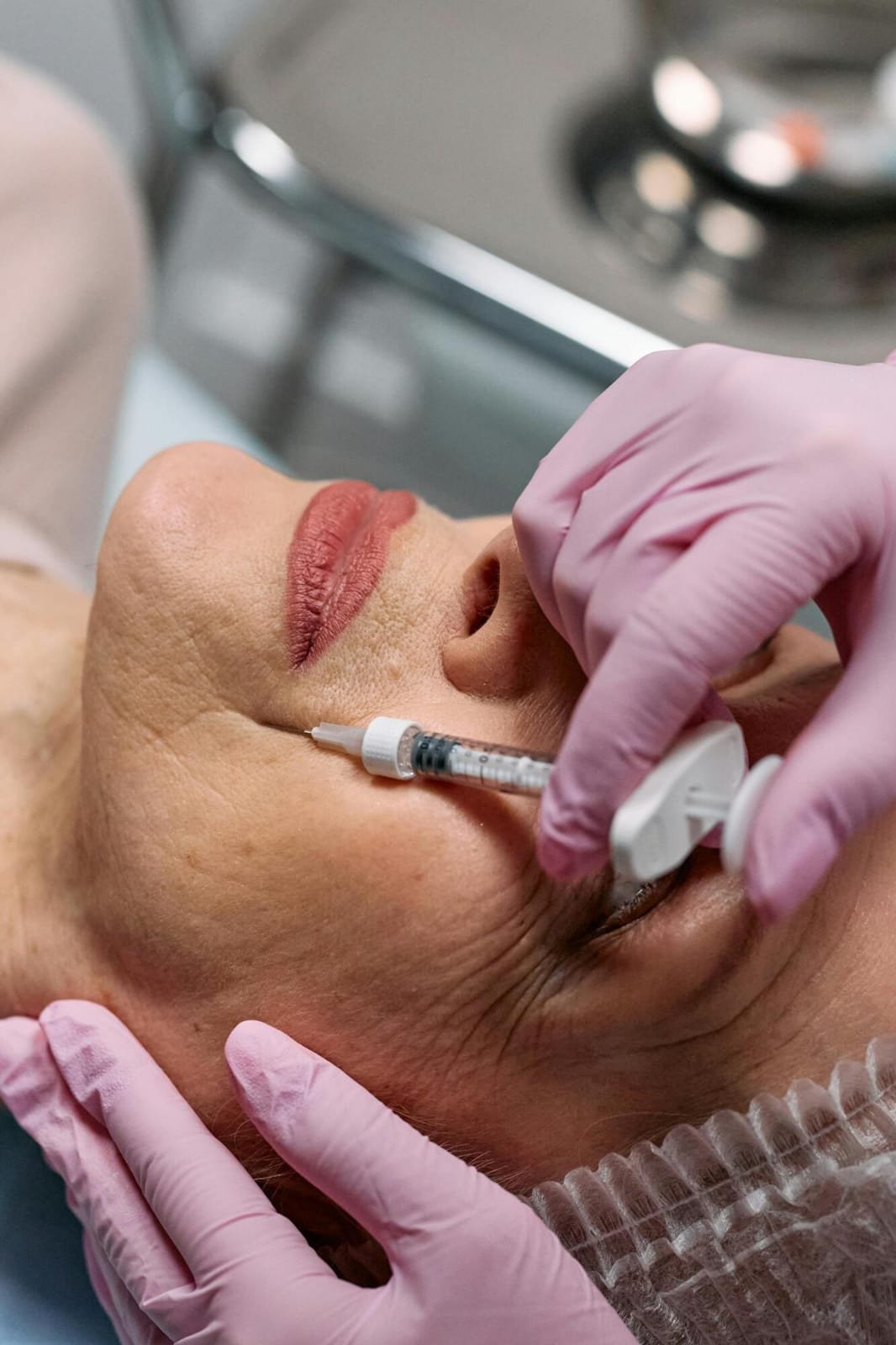
Smile line Botox is a popular cosmetic treatment that helps reduce the appearance of fine lines and wrinkles around the mouth. Many people turn to neuromodulator injections to achieve a more youthful and refreshed facial appearance without undergoing invasive surgery.
However, like any medical procedure, these injections can come with unwanted side effects. Understanding these potential reactions and how to manage them can help patients feel more confident before scheduling their appointment.
This article explores the common side effects of smile line Botox, details the muscle anatomy involved, and provides practical tips on managing recovery effectively.
Understanding Smile Line Botox and Why Side Effects Happen
Smile line Botox specifically targets the nasolabial folds, which are the creases running from the sides of the nose down to the corners of the mouth.
As individuals age, collagen and skin elasticity decrease, causing these lines to deepen naturally. Botulinum toxin temporarily relaxes the underlying muscles responsible for pulling the skin and creating these creases. Because the lower face contains intricate muscle groups involved in daily communication and eating, targeting this area carries a distinct profile of potential side effects compared to the forehead or crow’s feet.
Most Common Side Effects to Expect
Temporary swelling, localized bruising, and mild skin redness are the most frequently observed physical side effects after receiving smile line injections.
These injection-site reactions typically stem from minor trauma to superficial blood vessels during the needle entry. Patients usually notice mild swelling or tiny red bumps immediately following the session. These symptoms are generally short-lived and tend to resolve independently within a few days without requiring formal medical intervention.
Functional Side Effects: Muscle Weakness and Asymmetry
Unintended muscle weakness and temporary smile asymmetry are the primary functional risks associated with treating the lower face with neuromodulators.
The mouth region relies on complex coordination between the zygomaticus and risorius muscles to pull back the lips during smiling and talking. If a neuromodulator diffuses slightly beyond the targeted spot, it can temporarily weaken a nearby muscle, leading to a lopsided smile or a heavy feeling around the mouth. While standard forehead treatments rarely impact daily expressions so noticeably, lower face treatments require immense precision. When mild asymmetry occurs, patients must wait as the product gradually settles and eventually wears off over a period of several weeks.
Rare and Serious Risks Requiring Medical Attention
Severe systemic complications like generalized allergic reactions or breathing difficulties are rare but represent serious medical emergencies that require immediate care.
Patients who experience hives, facial swelling of the throat, or trouble breathing after an injection must seek emergency medical assistance right away. Additionally, if localized muscle weakness spreads aggressively or causes profound difficulty swallowing or speaking, immediate evaluation by a qualified healthcare professional is essential.
Practical Recovery Tips and Aftercare Guidelines
Following strict post-treatment instructions helps minimize localized swelling and prevents the neuromodulator from migrating to unintended facial zones.
Patients should avoid strenuous physical exercise, heavy lifting, and intense bending for at least twenty-four hours after the procedure. Keeping the head elevated during the first night helps reduce fluid accumulation and decreases bruising risks. Applying a clean cold compress wrapped in a soft cloth can also soothe the skin during the initial hours post-injection, though individuals must avoid pressing hard or massaging the treated area.
When to Call Your Injector vs. When to Wait It Out
Knowing the difference between normal healing and an abnormal reaction helps patients determine when to seek professional advice.
Minor bruising and slight tenderness are completely normal and resolve on their own as time passes. However, if functional issues like a significantly uneven smile persist past the two-week mark, contacting the original injector for a formal assessment is recommended. For individuals interested in maintaining overall wellness and keeping everyday routines in order, maintaining balanced self-care is just as important as managing cosmetic procedures, much like keeping up with expert care for a healthy smile and proper dental hygiene.
Frequently Asked Questions About Smile Line Botox
How long do smile line Botox results last?
Results typically last between three to four months, though the mouth area often wears off slightly faster than the upper face due to constant muscle movement.
Can a lopsided smile from Botox be corrected immediately?
Once the neurotoxin binds to the nerve endings, it cannot be physically reversed or washed out, meaning patients generally have to wait for the product to wear off naturally.
When will I see the full effects of my treatment?
Initial changes usually appear within three to five days, with full results and maximum muscle relaxation settling in around the two-week mark.
Is smile line Botox painful?
Most patients experience only mild, brief discomfort similar to a quick pinprick during the injection process.
Can I wear makeup after getting smile line injections?
It is generally advised to wait at least twenty-four hours before applying heavy makeup or skincare products over fresh injection sites to reduce infection risks.
What should I avoid doing right after my appointment?
Patients should avoid lying flat for several hours, refrain from touching or massaging the face, and skip vigorous workouts for at least a full day.
Disclaimer: This article is for informational purposes only and does not constitute medical advice. Cosmetic procedures carry inherent risks, and individuals should consult a qualified, licensed healthcare provider to discuss personalized treatment options and verify official information before undergoing any procedure.


