

Table of Contents
- The Thermal Physics Driving Roof-Space Microclimates
- Recognizing Early Visual Cues and Sensory Clues
- Essential Personal Protection Standards for Homeowners
- Comparing Do-It-Yourself Remediations with Certified Interventions
- Permanent Prevention via Air Sealing and Airflow Engineering
- Frequently Asked Questions
The Thermal Physics Driving Roof-Space Microclimates
Attic mold develops when specific thermal dynamics combine with trapped humidity and organic building materials like wood trusses and plywood roof sheathing. Mold spores float constantly through the surrounding air, but they remain inactive until they settle onto a substrate that supplies adequate warmth and moisture. In residential properties, warm interior air naturally rises due to the stack effect, carrying indoor moisture upward through tiny gaps around plumbing stacks, electrical penetrations, and pull-down attic staircases. When this warm, moisture-laden air reaches the uninsulated or cold roof framing, it encounters a sharp temperature drop and immediately releases condensation onto the wood surfaces. Chronic roof leaks or blocked bathroom exhaust fans further aggravate this moisture trap, establishing an ideal environment for rapid mold colonization.
Recognizing Early Visual Cues and Sensory Clues
Detecting an infestation during its early stages requires knowing what subtle physical indicators and environmental clues to look for during routine property checks. Because most homeowners rarely enter their roof spaces, minor moisture issues often escalate into major infestations before anyone notices. When colonies begin spreading across plywood decking or framing lumber, they typically manifest as clusters of dark green, black, brown, or white powdery patches. Homeowners might also spot stubborn water stains, dark discoloration on fiberglass insulation, or peeling paint on exterior eaves that suggest active roof leaks. Furthermore, a persistent musty odor drifting down into the main living quarters whenever the heating or cooling system runs serves as a strong warning sign of hidden microbial activity overhead. Installing a digital hygrometer inside the space offers an objective way to track humidity levels, ensuring the relative humidity stays safely below the threshold that triggers spore growth.
Essential Personal Protection Standards for Homeowners
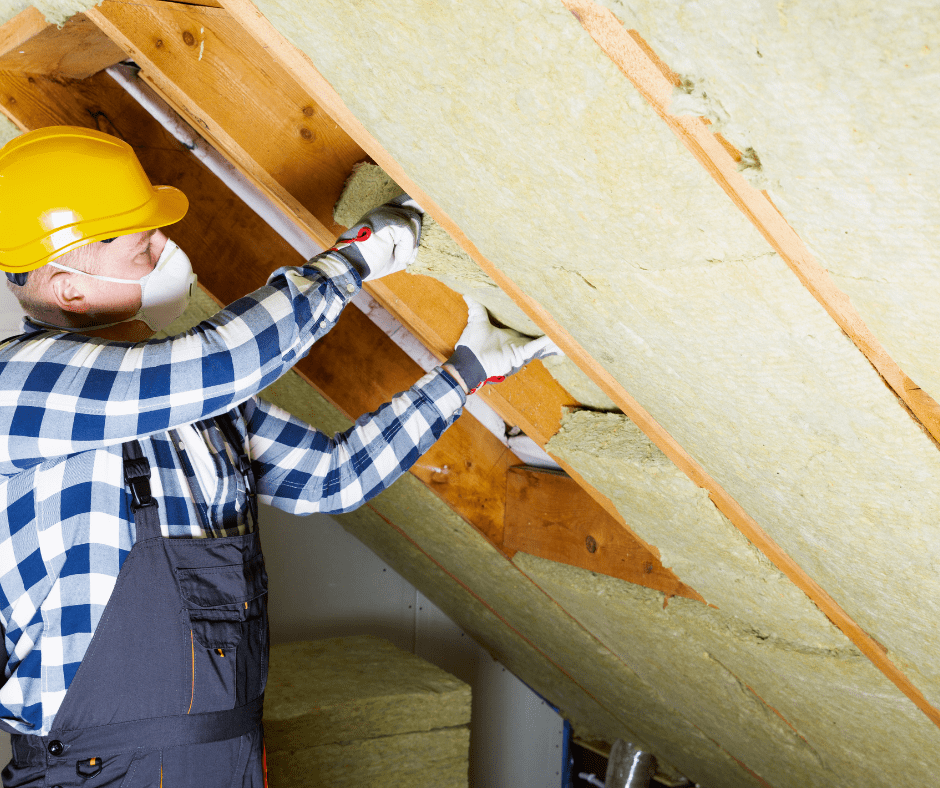
Handling mold-affected surfaces requires strict adherence to personal safety measures to protect your respiratory system and overall well-being from airborne irritants. Breathing in concentrated mold spores, fragments, or microbial mycotoxins can provoke severe allergic reactions, persistent coughing, sinus irritation, skin rashes, and exacerbated asthma episodes. These health hazards present particular danger for young children, elderly family members, and individuals with compromised immune systems or pre-existing respiratory conditions. Because physical disturbance during an inspection or cleaning process releases millions of microscopic spores into the air, personal protective equipment is non-negotiable. Anyone entering the affected zone must wear a properly fitted respirator mask rated N95 or higher, protective eyewear or goggles, and disposable gloves to prevent direct skin contact.
Comparing Do-It-Yourself Remediations with Certified Interventions
Choosing between a do-it-yourself cleaning project and hiring certified professionals depends entirely on the extent of the damage and the physical properties of the affected materials. For isolated surface spots on non-porous elements, homeowners can carefully apply specialized cleaning solutions to clear away the visible growth. However, treating porous substrates like raw timber framing or insulation with standard household bleach often proves counterproductive because bleach fails to penetrate beneath the surface and adds unwanted moisture while leaving root structures intact. Vinegar or specialized commercial anti-fungal treatments penetrate porous wood fibers much more thoroughly to neutralize the roots. If the infestation spans large structural sections, stems from long-standing roof leaks, or involves compromised structural wood, bringing in trained remediation experts is essential. For broader guidance on maintaining a safe, healthy living environment, homeowners can also explore resources on maintaining long-term sobriety and wellness in relation to overall indoor air quality and personal health.
Permanent Prevention via Air Sealing and Airflow Engineering
Preventing future outbreaks requires resolving the underlying building envelope vulnerabilities that allowed moisture to accumulate in the first place rather than merely wiping away surface stains. Modern building science confirms that permanent control relies on combining comprehensive air sealing between the living space and the roof framing with balanced passive and active ventilation systems. Sealing gaps around recessed light fixtures, ductwork penetrations, and attic access hatches stops the stack effect from pumping warm interior air upward into the cold roof zone. Additionally, keeping soffit vents free of insulation and verifying that ridge or gable vents remain clear allows fresh outdoor air to circulate continuously and flush out trapped humidity. Routine roof inspections and prompt shingle repairs further safeguard the structure against external water intrusion, keeping the entire roof assembly dry throughout every season.
Frequently Asked Questions
What primary environmental conditions cause attic mold to grow?
Attic mold grows when moisture, heat, and organic materials combine, usually driven by unaddressed roof leaks, poor ventilation, and condensation from warm indoor air.
Is it safe to use bleach for cleaning mold off raw wood framing?
Bleach is generally discouraged for porous wood because it adds water and fails to kill root structures embedded beneath the surface fibers.
How frequently should homeowners inspect their roof spaces for mold?
It is best to conduct a thorough inspection at least seasonally, as well as immediately after heavy rainstorms or significant winter snowmelts.
What protective gear is necessary when examining moldy areas?
Always wear personal protective equipment, including a fitted respirator mask, safety goggles, and disposable gloves, to avoid inhaling airborne spores.
When is it necessary to hire professional remediation services?
You should hire certified professionals if the mold covers a large surface area, has penetrated structural framing deeply, or continues returning despite your efforts.
How does air sealing stop moisture accumulation?
Air sealing blocks warm, humid indoor air from rising into the cold roof space, which dramatically cuts down on moisture-causing condensation.
Disclaimer: The strategies and suggestions outlined in this guide are for informational purposes only. Building structures vary, and complex moisture issues may require professional evaluation. Always consult licensed remediation experts and official guidelines from organizations like the EPA or CDC to verify final information before taking action.

Passionate content writer and savvy blog publisher, Aamir crafts compelling stories and insightful articles that captivate and inform. With a knack for blending creativity and strategy, they bring fresh perspectives to every piece. Dive into their world of words and discover content that resonates.


