

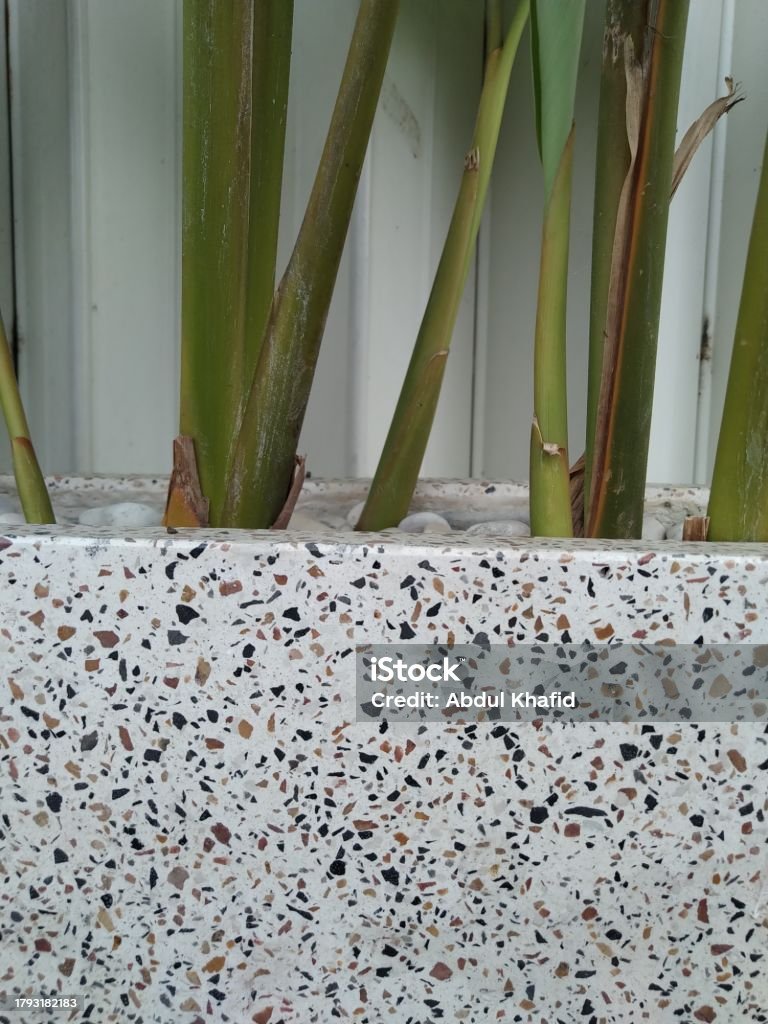
Creating an inviting and stylish outdoor living space is a practical way to extend your home’s footprint and make the most of fresh air. Selecting the right flooring material is one of the most critical elements in achieving a functional and attractive open-air environment. Terrazzo outdoor tiles offer a unique blend of rugged durability, design flexibility, and easy maintenance, making them an excellent choice for patios, terraces, walkways, and pool decks. Homeowners looking to upgrade their exterior zones can also explore related exterior additions, such as setting up practical yard organization solutions or looking at essential yard cleanup tools to keep the entire property immaculate.
What Are Outdoor Terrazzo Tiles and How Are They Made?
Outdoor terrazzo tiles are crafted by embedding natural aggregate chips like marble, granite, quartz, or glass into a cementitious or resin binder, then grinding and polishing the surface to reveal a speckled pattern. These tiles have a long history in architecture and are prized for their structural integrity and visual depth. Modern manufacturing methods ensure that exterior-grade terrazzo tiles are specifically engineered to handle open-air exposure without losing their structural integrity.
Cement Versus Resin Binders for Exterior Use
Cement-based terrazzo tiles are overwhelmingly preferred over resin-based alternatives for outdoor installations due to their superior performance under direct sunlight and temperature fluctuations. Resin binders can soften, discolor, or yellow when subjected to continuous ultraviolet radiation. Cement binders, on the other hand, breathe naturally, resist thermal shock, and hold up exceptionally well against weathering in open-air environments.
Core Benefits of Terrazzo in Open-Air Spaces
Terrazzo outdoor tiles provide distinct functional and aesthetic advantages that outperform many standard concrete or ceramic alternatives. These heavy-duty tiles withstand high foot traffic without showing premature wear, cracking, or surface fatigue. Property owners can customize color palettes, aggregate sizes, and finishes to match any architectural style, from classic Mediterranean villas to minimalist modern homes. Furthermore, terrazzo is frequently produced using recycled glass and stone chips, making it a sustainable choice for eco-conscious builders. For homeowners also planning interior renovations or trying to coordinate exterior motifs with indoor spaces, selecting durable materials like stylish and durable melamine boards can create a harmonious transition between rooms.
Key Outdoor Applications for Terrazzo Flooring
Terrazzo outdoor tiles deliver versatile performance across various residential landscaping zones and high-use entertainment areas. Backyards featuring custom layouts benefit immensely from durable flooring that handles heavy patio furniture and frequent foot traffic. Poolside lounges, garden walkways, and outdoor kitchens all gain a cohesive, luxury aesthetic when surfaced with uniform terrazzo slabs.
Choosing the Right Finish and Slip Resistance
Selecting a textured, honed, or sandblasted finish is essential for ensuring slip resistance in wet areas like pool surrounds and rain-exposed pathways. Smooth, highly polished finishes look striking under covered patios, but open-air zones require surface micro-textures to maintain safety when wet. Property owners must evaluate local climate conditions and moisture exposure levels before finalizing their tile finish.
Installation and Sealing Best Practices
Proper subfloor preparation and high-grade penetrating sealants are mandatory requirements for achieving a long-lasting outdoor terrazzo installation. Installers must lay tiles over a stable, level concrete slab with proper slope gradients for water drainage to prevent pooling. Applying a breathable, weather-resistant sealer protects the cement binder from moisture penetration, preventing freeze-thaw cracking during cold winter months.
Routine Care and Maintenance Requirements
Maintaining terrazzo outdoor tiles requires minimal effort beyond regular sweeping and occasional washing with a pH-neutral cleaner. Harsh chemical solvents and acid-based detergents must be strictly avoided because they can etch the cement matrix and dull the embedded aggregate. Promptly rinsing away organic debris like fallen leaves and dirt prevents staining and keeps the surface looking pristine year-round.
Frequently Asked Questions
Can outdoor terrazzo tiles withstand freezing winter temperatures?
Yes, cement-based terrazzo tiles can withstand freezing conditions provided they are installed over a proper subbase and sealed with a quality penetrating product to block moisture absorption.
Are terrazzo tiles slippery when wet around a pool?
Standard polished indoor terrazzo is slippery when wet, but exterior terrazzo tiles are manufactured with honed, textured, or sandblasted finishes specifically designed to provide traction around swimming pools.
How often do outdoor terrazzo tiles need to be sealed?
Exterior terrazzo typically requires resealing every one to three years depending on local weather exposure, foot traffic intensity, and the specific type of sealer used during installation.
Can terrazzo tiles be installed directly on soil or sand?
No, terrazzo tiles must be installed over a rigid, properly cured concrete subslab to prevent shifting, cracking, and uneven settling under heavy loads.
Do terrazzo outdoor tiles fade under direct sunlight?
Quality cement-based terrazzo tiles use color pigments and natural stone aggregates that maintain their color stability and resist fading under intense ultraviolet exposure.
How do I clean stubborn stains off exterior terrazzo?
Stubborn stains can be removed using a mild, pH-neutral cleaning solution and a soft-bristle brush, followed by thorough rinsing with clean water. Avoid acidic cleaners at all costs.
Disclaimer: The information provided in this guide is for general informational purposes only. Tile specifications, installation techniques, and sealing requirements can vary based on manufacturer guidelines and local climate conditions. Readers should verify all technical details with professional contractors or official product suppliers before starting an installation project.


