

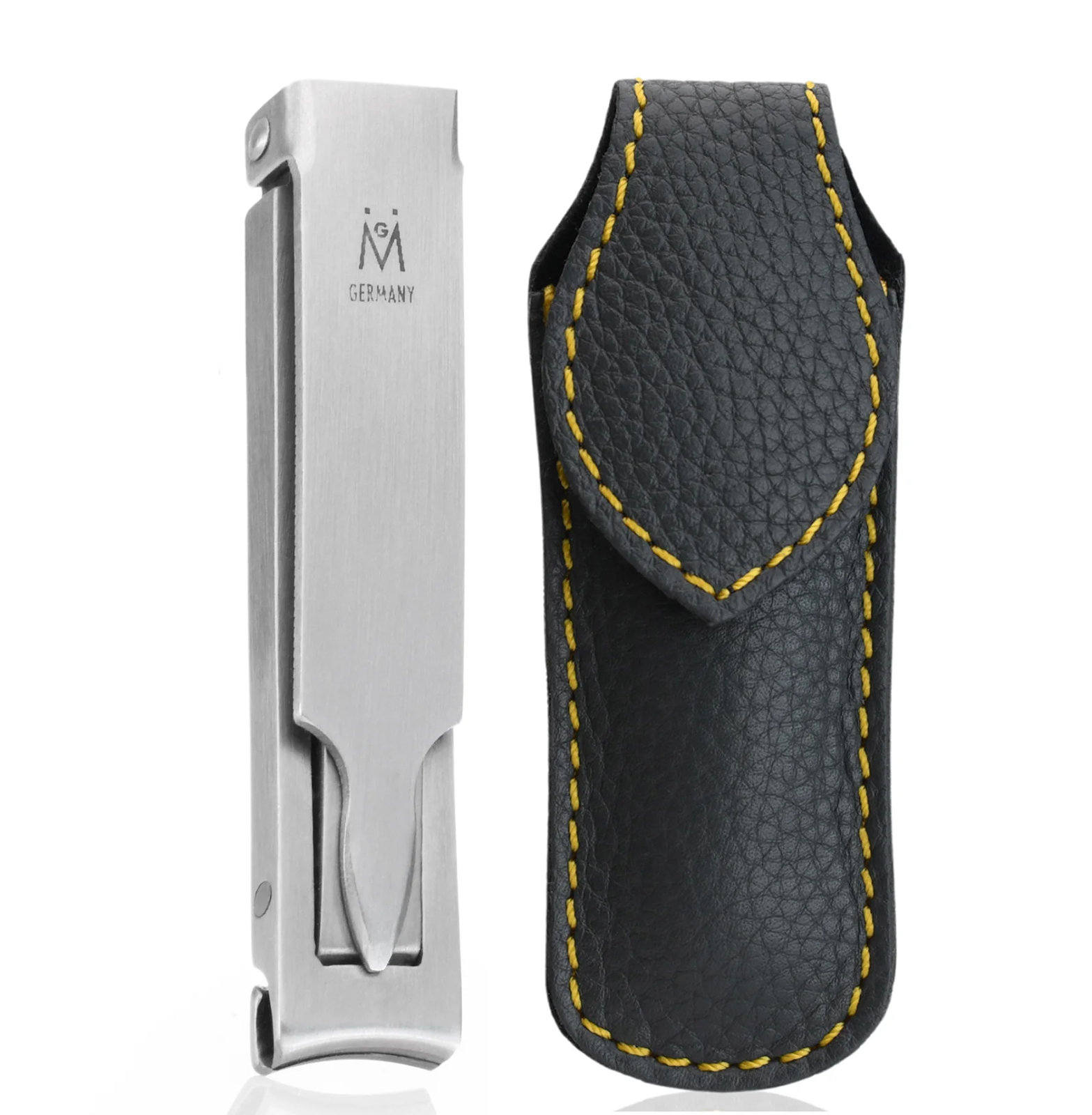
Having well-groomed feet is important for both normal physical fitness and hygiene. One of the most essential devices for this job is the toenail clipper. Choosing the right toenail clippers and using them effectively makes a huge difference in the appearance and overall health of your feet. Professional advice on selecting quality trimming tools and mastering safe pedicure techniques helps prevent common foot discomforts.
Why Toenail Maintenance Requires Specialized Clippers
Toenails are significantly thicker and harder than fingernails, which means standard fingernail clippers often crush or split the nail instead of cutting it cleanly.
Human toenails require greater leverage and wider blade openings to manage their density without causing structural trauma to the nail bed. Using specialized toenail maintenance tools saves you from soreness, accidental skin pinching, and painful ingrown nails. High-quality toenail clippers guarantee accurate, clean cuts with minimal physical effort, keeping your feet comfortable and healthy.
Key Factors to Evaluate When Choosing Toenail Clippers
Evaluating material quality, blade alignment, and ergonomic design ensures you select a reliable trimming tool for long-term foot care.
1. Material Quality and Hygiene Standards
The best quality toenail clippers are manufactured out of medical-grade stainless steel or surgical steel. This metal is highly durable, rust-resistant, and simple to sanitize between uses. Premium steel maintains its razor sharpness over many years, offering a smooth cut every single time. Avoid cheap metal alloys that dull quickly and crush the nail plate.
2. Design and Ergonomics
The design of the tool directly impacts comfort, control, and overall safety during trimming sessions. Look for clippers featuring an ergonomic handle that fits securely in your hand. A non-slip, textured grip gives greater control and reduces the chance of accidental slips. Some podiatry-grade models incorporate longer, curved levers that multiply leverage for effortless trimming.
3. Blade Sharpness and Alignment
The blades of the nail clippers must be exceptionally sharp and perfectly flush against each other. Sharp blades slice through keratin cleanly without splitting the underlying layers. Blade shape is equally critical for preventing trauma. Curved blades follow the natural contour of the digit, while straight blades offer a precise geometry to stop corners from digging into the skin.
4. Jaw Opening and Size
Selecting the correct size depends heavily on the physical thickness and curvature of your toenails. For thick, fungal, or dystrophic nails, choose clippers with wide jaw openings and heavy-duty spring mechanisms. Standard-sized clippers work well for thin to moderate nails during routine weekly upkeep.
Overview of Clipper Types and Their Best Uses
Matching your specific physical needs to the correct clipper design makes nail maintenance much easier and safer.
| Clipper Type | Best Suited For | Key Characteristic |
|---|---|---|
| Lever-Action Clippers | Standard daily nail maintenance | Uses a rotating metal lever for mechanical pressure |
| Scissor-Style Clippers | Precision edge work and corners | Mini-scissor design for detailed control |
| Wide-Jaw Podiatry Clippers | Thick, hard, or aging toenails | Enlarged mouth opening and heavy-duty leverage |
Step-by-Step Guide to Safe and Painless Toenail Trimming
Following a structured routine of preparation and cutting prevents accidental injuries and keeps nail beds healthy.
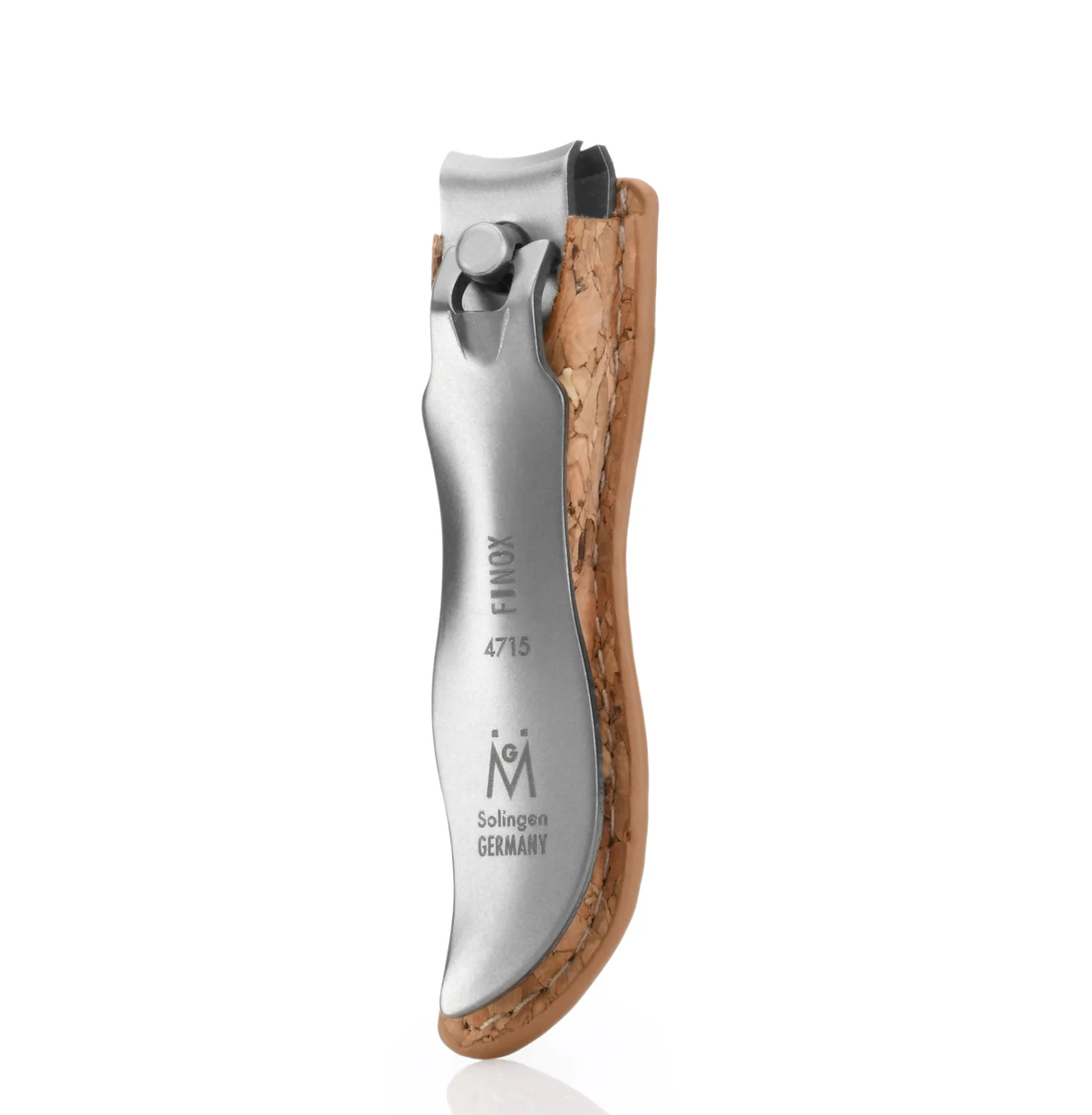
1. Immersing the Toes
Dipping your feet in warm water for 10 to 15 minutes softens the keratin structure and makes thick nails much easier to cut. Adding Epsom salts to your foot bath also helps relax tired muscles and soften the surrounding skin.
2. Drying Your Feet and Nails
Dry your feet thoroughly with a clean towel before you begin cutting. Dry nails provide a non-slippery surface, ensuring your clipper placement is precise and controlled.
3. Positioning the Clippers
Hold the toenail clippers flat against the nail tip at the desired angle without tilting them diagonally. Ensure the cutting edges align squarely across the nail plate rather than pinching the side tissue.
4. Trimming Straight Across
Cut toenails straight across to prevent the sharp lateral corners from growing down into the flesh. Avoid rounding off the corners too aggressively, as this invites ingrown conditions. Trim small micro-segments at a time rather than biting off the entire width in one clumsy squeeze.
5. Edge Filing and Smoothing
After trimming, use a multi-grit nail file to gently smooth away any sharp outer edges. Use a consistent, unidirectional filing motion rather than sawing back and forth to protect the nail plate from splitting.
6. Caring for Your Cuticles
Incorporate a dedicated cuticle pusher into your grooming routine to manage the nail bed safely. Gently nudge back the soft skin after your warm soak without cutting the living tissue, which protects against bacterial entry.
7. Moisturizing Your Feet
Finish your pedicure session by massaging a rich moisturizing foot cream into your heels, toes, and nail folds. Hydrated skin stays flexible and resists painful cracking around the nail borders.
Hygiene and Maintenance for Your Toenail Clippers
Properly sanitizing your grooming instruments prevents the accidental transfer of fungal spores and bacteria between feet.
Wash your toenail clippers with warm soapy water after every use to remove any trapped nail debris. Dry the metal completely with a paper towel to stop rust from forming on the pivot joint. Afterward, wipe down the cutting edges with isopropyl alcohol using a cotton ball to disinfect the metal surface. Store your clippers in a dry, protective pouch or case to preserve blade sharpness.
Essential Post-Trimming Care and Complementary Pedicure Tools
Adding specialized accessories to your foot care routine ensures a complete salon-quality experience at home.
Fine-grit emery boards and coarse pumice stones work together to eliminate hardened calluses and smooth rough skin patches on the soles of your feet. Maintaining clean, well-conditioned feet is part of an overall personal wellness regimen, much like practicing comprehensive hygiene or adopting structured self-care habits. For instance, maintaining proper physical health often extends to managing daily comfort, similar to keeping your living spaces organized by following an essential office cleaning checklist for household tidiness.
Frequently Asked Questions
How often should I trim my toenails?
Most people need to trim their toenails every three to six weeks, depending on individual nail growth rates.
Can I use fingernail clippers on my toes?
It is strongly discouraged because fingernail clippers are too small and lack the leverage required for thick toenails.
Why do my toenails keep growing inward?
Ingrown nails usually result from cutting the corners too short or wearing tight-fitting shoes that compress the toes.
Should I soak my feet before clipping?
Yes, soaking feet in warm water for 10 minutes softens hard keratin and prevents the nail from splitting during the cut.
How do I clean my nail clippers safely?
Wipe the blades down with isopropyl alcohol after washing them with soap and water to kill residual bacteria.
Is it safe to cut my cuticles completely off?
Cutting cuticles removes your body’s natural barrier against infection, so you should only gently push them back.
Disclaimer: The guidance provided in this article is for informational purposes only. Toenail care needs can vary based on individual health conditions, so consult a podiatrist or healthcare professional for personalized medical advice.


