

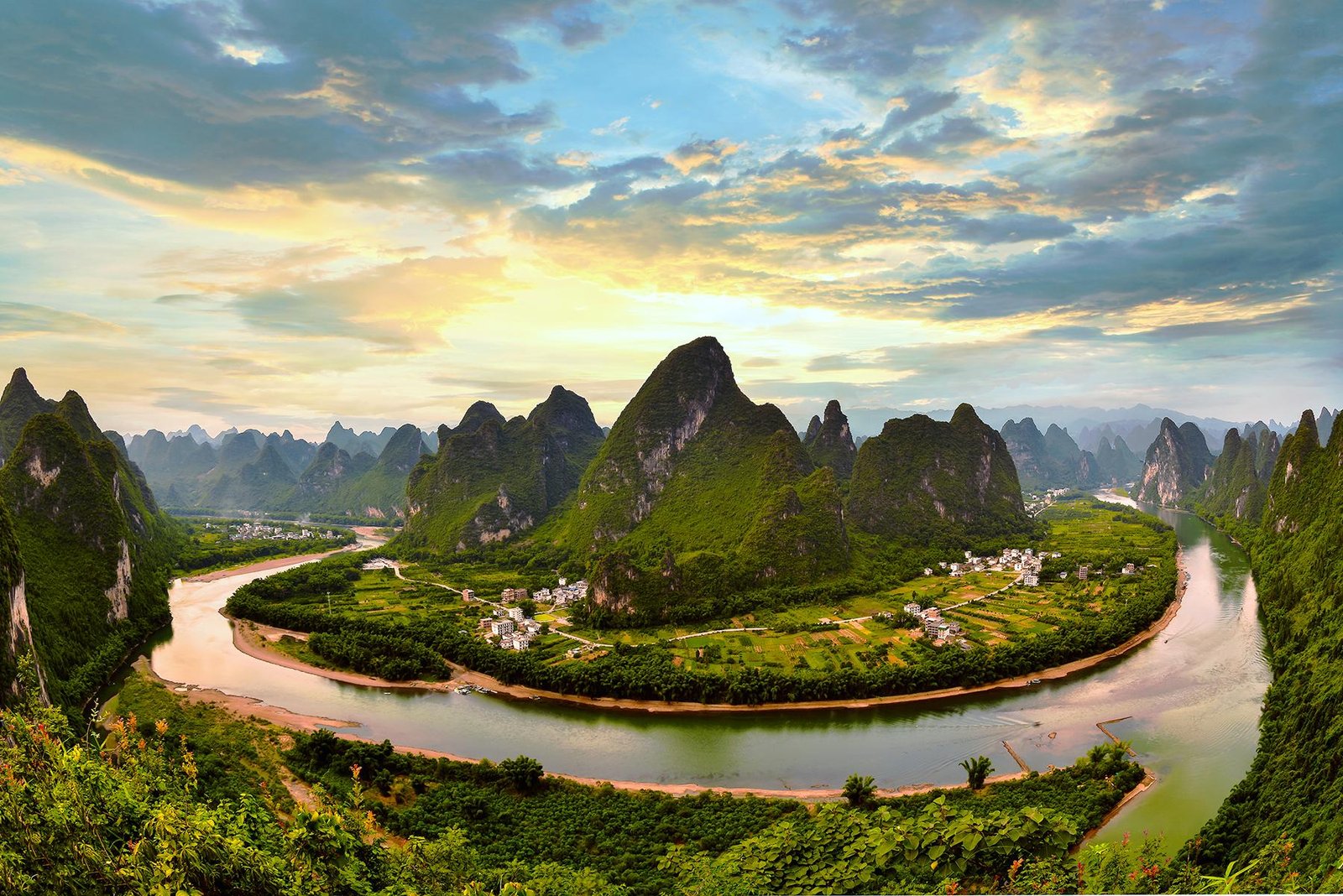
China’s expansive geography spans snow-capped mountains, deep river gorges, and vibrant temperate forests that protect some of the most ecologically diverse habitats on the planet. From iconic mountain peaks to newly established conservation zones, the country’s protected reserves offer an extraordinary glimpse into unspoiled wilderness. For travelers planning an itinerary focused on outdoor exploration, understanding how these magnificent landscapes are organized helps make the journey much smoother.
This comprehensive guide examines the most remarkable national parks across China while providing practical ground-level advice on permits, seasonal conditions, and travel logistics. Whether you are scaling granite trails or photographing alpine lakes, preparing ahead of time ensures a rewarding outdoor adventure.
The Structure of China’s Conservation System
China has significantly modernized its environmental protection framework by consolidating traditional scenic areas into officially managed national parks like the Giant Panda National Park and Hainan Tropical Rainforest National Park.
These protected zones operate under strict ecological preservation mandates while welcoming visitors through designated eco-tourism hubs. Navigating these vast territories requires an awareness of digital booking apps, passport entry rules, and internal shuttle networks that keep fragile ecosystems safe from overcrowding.
Zhangjiajie and Wulingyuan Pillar Landscapes
Zhangjiajie National Forest Park and the adjacent Wulingyuan Scenic Area showcase a surreal maze of towering quartz-sandstone pillars that rise dramatically above dense forest canopies. Located in Hunan Province, these soaring geological formations famously inspired the cinematic landscape of the fictional world in the movie Avatar.
Visitors can explore the park via an extensive network of walking trails, take the thrilling Bailong Elevator built directly into a vertical cliff face, or ride high-altitude cable cars that cross deep ravines. Because the scenic area covers a massive territory, mapping out daily routes beforehand prevents unnecessary backtracking and keeps your schedule manageable.
Jiuzhaigou Valley Alpine Waters
Jiuzhaigou Valley National Park in Sichuan Province is a celebrated UNESCO World Heritage site renowned for its multi-colored lakes, cascading waterfalls, and steep snow-capped mountain peaks. The valley floor features crystal-clear turquoise and emerald waters fed directly by melting alpine snow, surrounded by lush forests that turn vibrant shades of gold and red during autumn.
Visitors navigate the park using eco-friendly electric shuttle buses that stop at major boardwalk trails, minimizing environmental impact while managing foot traffic. Because daily visitor caps are strictly enforced to preserve water quality, advance online reservations are mandatory for anyone planning a visit.
Huangshan Granite Peaks and Summit Ridges
Huangshan, widely known as Yellow Mountain, represents one of China’s most iconic mountain ranges and features prominently in traditional Chinese art and poetry. Located in Anhui Province, the park is famous for its jagged granite peaks, ancient pine trees sculpted by harsh winds, and frequent seas of clouds that blanket the valleys below.
Hiking up Huangshan requires climbing thousands of stone steps carved directly into the steep mountain slopes. While cable cars provide an alternative to the strenuous uphill trek, exploring the upper ridges still demands moderate physical endurance. Many travelers choose to stay overnight in a summit hotel to experience the famous morning light without rushing.
Mount Emei Sacred Terrain
Mount Emei in Sichuan Province serves as one of China’s Four Sacred Buddhist Mountains and holds dual recognition as a UNESCO World Heritage site for its cultural and natural significance. The mountain blends ancient temples and sacred shrines with diverse biological zones, transitioning from subtropical evergreen forests at the base to alpine environments near the summit.
Hiking up Mount Emei takes travelers through varied habitats where wild monkeys and rare plant species thrive, culminating at the Golden Summit for sweeping panoramic views. For travelers seeking inspiration for future journeys across diverse global terrains, exploring resources such as our guide on exploring Croatia for first-time visitors offers helpful planning perspectives.
Practical Planning and Ground Logistics
Visiting China’s national parks requires careful preparation regarding digital ticketing, mobile connectivity, and regional transportation. Most ticket offices and park services operate primarily through smartphone mini-programs, making it essential for international visitors to set up digital payment platforms before arrival.
The table below summarizes key logistical details for visiting the major national parks discussed in this guide:
| Park Name | Province | Primary Highlight | Booking Requirement |
|---|---|---|---|
| Zhangjiajie National Forest Park | Hunan | Sandstone pillars & glass elevators | Advance digital booking recommended |
| Jiuzhaigou Valley | Sichuan | Multi-colored lakes & waterfalls | Strict daily quotas; advance booking mandatory |
| Huangshan (Yellow Mountain) | Anhui | Granite peaks & sea of clouds | Ticket & cable car pre-booking advised |
| Mount Emei | Sichuan | Buddhist temples & alpine summits | Standard entry reservation |
Common Inquiries About Reserve Access
What is the best time of year to visit China’s national parks?
Spring (April to May) and autumn (September to November) generally offer the most comfortable weather and clear skies for outdoor exploration.
Do I need to book national park tickets in advance?
Yes, many popular parks like Jiuzhaigou and Zhangjiajie enforce daily visitor limits and require online reservations well ahead of your travel dates.
Are English guide signs available in Chinese national parks?
Major tourist parks feature bilingual signage, but downloading an offline translation app or digital map can greatly assist with navigation.
How do I pay for tickets and transportation inside the parks?
Most transactions utilize digital payment apps like WeChat Pay or Alipay, so setting up these accounts before your trip is highly recommended.
Can I hike independently, or do I need a tour guide?
Most national parks feature well-marked walking trails that allow independent exploration without requiring a formal tour guide.
Are there accommodation options inside the national parks?
Some parks, such as Huangshan and Mount Emei, offer hotels near their summits, while others require staying in nearby gateway towns.
What should I pack for a hiking trip in China?
Sturdy hiking boots, weather-resistant clothing layers, a portable power bank, and rain gear are essential items for mountain environments.
Disclaimer: Park regulations, ticket booking policies, seasonal operating hours, and weather conditions can change unexpectedly. Visitors should verify final travel requirements and official announcements through authorized tourism sources before embarking on their journey.

Passionate content writer and savvy blog publisher, Aamir crafts compelling stories and insightful articles that captivate and inform. With a knack for blending creativity and strategy, they bring fresh perspectives to every piece. Dive into their world of words and discover content that resonates.


