

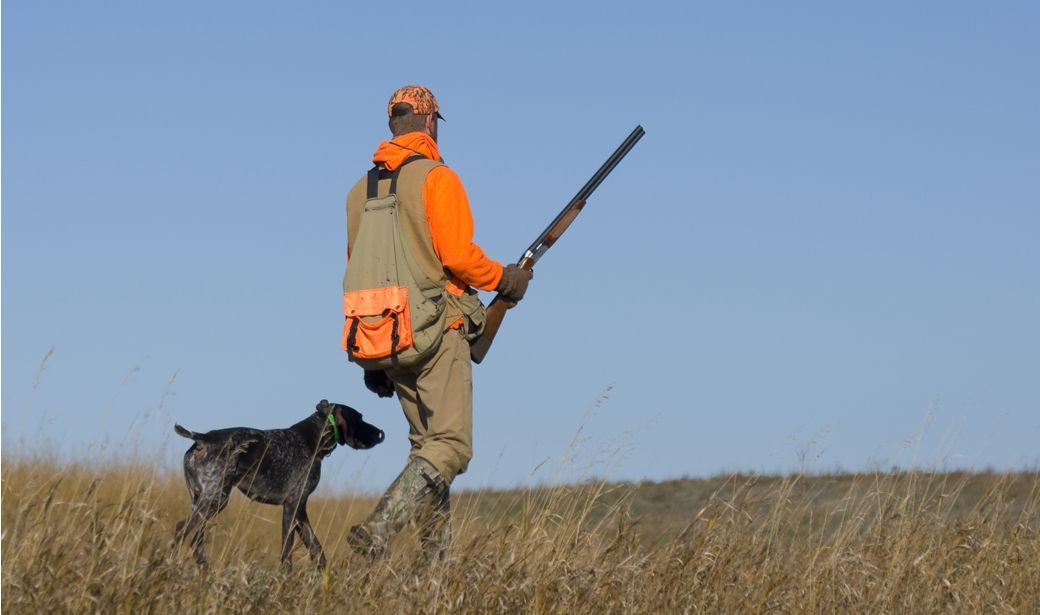
It is important to choose the right knife blade and supporting gear whether you are searching for the perfect tool for hunting, processing game, or handling outdoor survival tasks. Hunting tools come in a wide range of options, and selecting the right piece of equipment ensures maximum performance, safety, and reliability in the field. When you find a tool with the right design and build quality, it will make every outdoor excursion far more manageable and efficient.
Below, we have covered the key factors to consider when you are on the hunt for the perfect hunting tools and blades.
Selecting Game-Ready Steel Alloys
Blade material is a key factor to keep in mind when choosing hunting tools because it directly impacts edge retention, durability, and corrosion resistance during field dressing.
The most common materials for hunting knife blades are stainless steel, high-carbon steel, and tool steel. Stainless steel is highly resistant to rust and corrosion, making it a suitable choice for wet or humid outdoor use where exposure to moisture and blood is frequent. High-carbon steel is extremely durable and holds a sharp edge longer than standard stainless steel, though it requires proper care and maintenance to prevent oxidation. Damascus steel combines multiple types of steel to create an aesthetically impressive blade that functions well in both camp kitchens and field settings. Tool steel is reserved for heavy-duty knives where extreme toughness is required to withstand rigorous batoning and chopping tasks.
Matching Blade Geometry to Field Dressing Tasks
Choosing the correct blade shape ensures your hunting tool can accurately handle specific field dressing, skinning, and caping tasks without puncturing internal organs.
Drop point blades feature a convex curve along the spine that drops toward the tip, making them versatile and ideal for high-precision cuts and general utility. Clip point blades have a distinct concave edge near the tip, which provides a fine point for intricate work and makes them well-suited for detailed field dressing. Spear point blades offer a symmetrical geometry that centers the tip directly with the handle, making them exceptionally strong and precise for specialized piercing tasks.
Balancing Blade Length and Spine Thickness
Blade length and spine thickness affect the overall usability, portability, and heavy-duty leverage of your hunting tools when working on large game animals.
A longer blade measuring six inches or more is better suited for heavy-duty camp tasks, such as clearing brush or processing large quarters of game. However, these longer tools are heavier to carry and lack the fine control needed for delicate work. Shorter blades under four inches are much easier to carry in a pocket or pack and excel at caping and skinning. Medium-sized blades between four and six inches offer a balanced compromise, delivering enough length for general utility while maintaining portability and control.
Ensuring Structural Strength Through Tang Design
Tang construction determines how securely the blade connects to the handle, which is vital for heavy-duty outdoor applications and leveraging against bone.
A full tang knife features a single piece of steel that extends all the way through the handle scales, providing maximum strength and preventing the blade from snapping under heavy pressure. Partial tang designs, such as rat-tail or push-tang construction, insert a narrower piece of metal into the handle. While partial tang knives can be lighter and adequate for light utility work, full tang construction remains the gold standard for reliable hunting tools that must endure harsh outdoor conditions.
Prioritizing Handle Ergonomics and Grip Security
Handle materials dictate how comfortable and secure your grip feels when your hands are wet, cold, or covered in moisture and field debris.
Textured rubber and synthetic handles provide a secure, non-slip grip even in wet weather conditions. Micarta and G10 offer exceptional durability, resisting moisture and temperature changes while maintaining a solid grip. Traditional wood handles look appealing and offer a warm feel in the hand, but they require regular conditioning to prevent cracking or swelling when exposed to moisture.
Evaluating Field Sheath Protection and Carry Options
A proper sheath protects both the user and the blade while ensuring the hunting tool remains accessible during movement across rough terrain.
Leather sheaths offer a classic appearance and quiet carry, but they require periodic waterproofing treatments to prevent rot. Kydex and molded polymer sheaths provide rugged, weatherproof protection with a secure click-in retention system. Whichever material you choose, the sheath should feature secure belt attachment points and drainage holes to prevent moisture accumulation.
When building out your collection of gear for outdoor expeditions, remember that choosing the right equipment often parallels other specialized purchases, much like exploring essential equipment recommendations for outdoor pursuits to ensure optimal performance across different activities.
Frequently Asked Questions
What is the best blade shape for a general-purpose hunting knife?
A drop point blade is widely considered the best all-around choice because its curved belly and controlled tip handle skinning, camp chores, and general utility tasks with ease.
Why is full tang construction important in a hunting knife?
Full tang construction means the steel extends through the entire handle, offering superior strength and preventing the blade from snapping when putting heavy pressure on bone or wood.
How often should a hunting knife be sharpened?
A hunting knife should be checked and lightly honed before every trip, and thoroughly sharpened whenever you notice a decline in cutting efficiency during field dressing.
Is stainless steel better than carbon steel for hunting tools?
Stainless steel resists rust and corrosion much better in wet field conditions, whereas carbon steel holds a sharper edge longer but requires careful cleaning and oiling to prevent rust.
What blade length is ideal for field dressing game?
A blade length between four and five inches provides the ideal balance of maneuverability and cutting edge for precise field dressing without feeling clumsy.
What handle material offers the best grip when wet?
Textured rubber, textured G10, and Micarta handles offer superior grip security and prevent slipping even when your hands are wet or greasy.
Disclaimer: Product specifications, steel compositions, and manufacturing standards can vary across brands. Readers should verify final product details and manufacturer recommendations from official sources before making a purchase.

Daniel J. Morgan is the founder of Invidiata Magazine, a premier publication showcasing luxury living, arts, and culture. With a passion for excellence, Daniel has established the magazine as a beacon of sophistication and refinement, captivating discerning audiences worldwide.


