

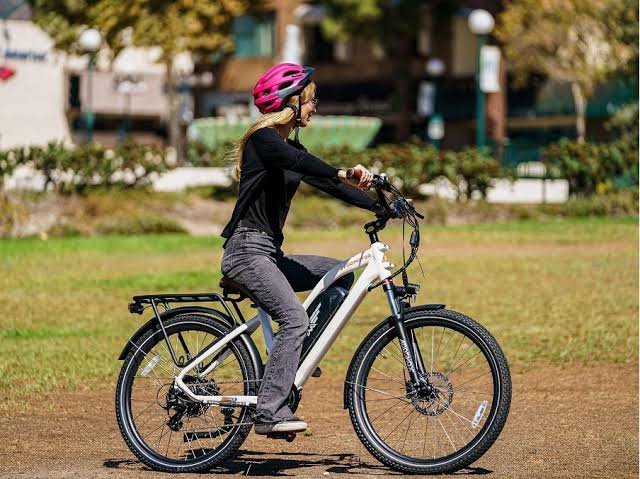
In today’s fast-paced world, finding ways to reduce daily stress while enjoying your routine is essential. That is where modern electric bikes come into play, offering a seamless bridge between utilitarian travel and recreational freedom. Whether urban workers use electric bikes to skip morning gridlock or weekend explorers rely on them for scenic trail rides, these versatile machines redefine everyday mobility. Imagine replacing a frustrating stop-and-go car ride with a quiet, eco-friendly, and invigorating journey that clears the mind. Beyond serving as a practical transportation alternative, electric bikes deliver accessible cardiovascular exercise and a much-needed mental disconnect from the usual urban hustle.
Choosing the best electric bike requires balancing personal travel habits, typical daily distances, and local terrain conditions. To help buyers navigate the growing market, this guide examines legal classifications, essential commuter features, high-performance speed tiers, real-world battery efficiency, and maintenance expectations. By understanding these core elements, riders can select a model that effortlessly integrates into both professional commutes and weekend getaways.
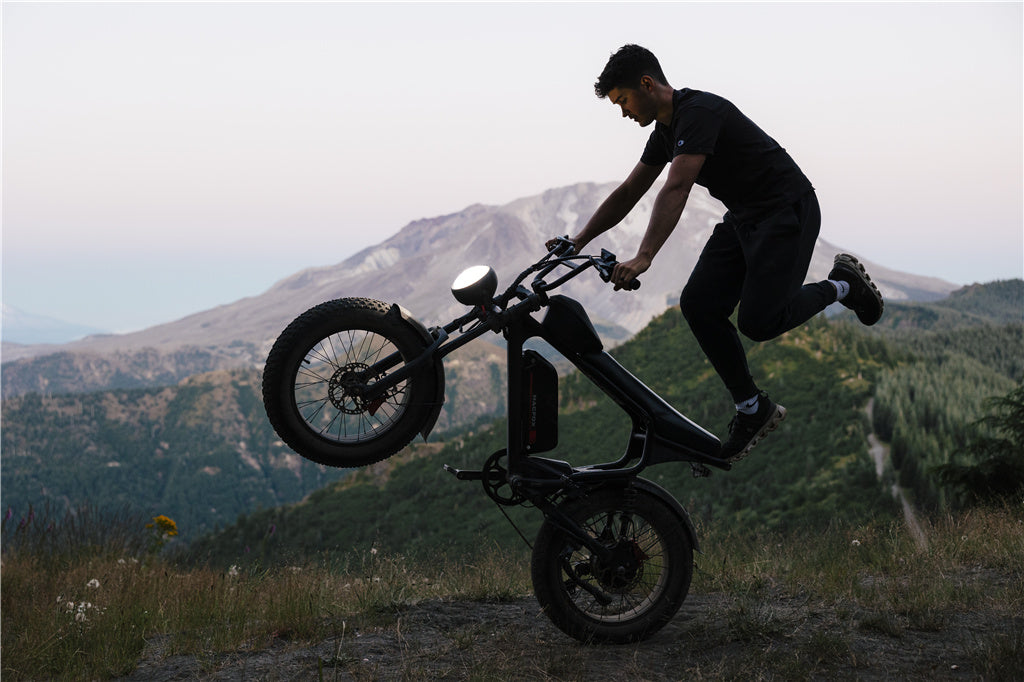
Why Electric Bicycles Deliver Lasting Routine Benefits
Electric bicycles have surged in popularity because they successfully merge sustainable transportation with tangible personal advantages.
Switching to electric bikes drastically cuts down personal carbon emissions by replacing gasoline-powered car trips with zero-tailpipe-pollution transit. Financially, riders eliminate expensive fuel costs, recurring parking fees, and complex vehicle maintenance bills. From a health perspective, motor assistance encourages riders to pedal more frequently without overexerting their joints or arriving at their destination drenched in sweat. Most importantly, cruising past stationary traffic transforms a historically frustrating morning commute into a calm, enjoyable start to the day.
Understanding Legal Speed Limits and Trail Regulations
Knowing the three official e-bike classifications helps riders determine exactly where they can legally travel without municipal restrictions.
Class 1 electric bikes supply pedal-assist up to 20 mph without any throttle mechanism, allowing access to most shared recreational paths. Class 2 models incorporate both pedal-assist and a throttle while maintaining a maximum motorized velocity of 20 mph. Class 3 machines push pedal assistance up to 28 mph, making them well-suited for paved bicycle lanes alongside regular traffic. Reviewing local municipal trail codes before riding ensures full compliance with regional access laws.
Selecting Essential Hardware for All-Weather Commutes
Outfitting a daily commuter with integrated fenders, sturdy cargo racks, and reliable lighting turns it into an all-weather transit solution.
Daily riders require robust hardware built to withstand regular use across various city streets and weather conditions. Below is a detailed specification comparison of prominent commuter models available on the market today:
| Model | Motor Power | Battery | Top Speed | Range | Price |
| Macfox X1S | 500W (peak 750W) | 48V 10.4Ah (Dual Battery Option) | 25 mph | 38 miles (single) / 76 miles (dual) | $999 |
| Rad Power RadCity 5 | 750W | 48V 14Ah | 20 mph | 45 miles | $1,699 |
| Aventon Level 2 | 750W | 48V 14Ah | 28 mph | 50 miles | $1,799 |
The Macfox X1S provides an exceptional balance of cost and versatile performance, making it a compelling choice for everyday commuters who want reliable power on a budget.

Optimizing Tire Volume and Saddle Comfort for Leisure Rides
Achieving a plush and stable ride on weekend recreational trails relies heavily on appropriate tire width and ergonomic saddle design.
Leisurely exploration demands equipment that cushions against uneven pavement, tree roots, and gravel paths. High-volume pneumatic tires, such as the 20-inch by 4.0-inch tires on the Macfox X1S, absorb trail impacts effectively while boosting stability on loose dirt. Furthermore, real-world battery mileage will naturally fluctuate based on total rider weight, steep inclines, heavy throttle dependence, and selected pedal-assist levels.
Comparing Hub-Drive and Mid-Drive Motor Mechanics
Differentiating between hub-drive and mid-drive motor designs helps riders choose a machine optimized for their specific regional topography.
Hub-drive motors deliver direct propulsion straight to the wheel and require minimal routine drivetrain attention, whereas mid-drive motors mount at the bottom bracket to leverage bicycle gearing for superior hill-climbing efficiency. Regardless of motor style, keeping an electric bike running smoothly requires regular tire pressure checks, hydraulic brake inspections, and chain lubrication. Maintaining physical wellness and balancing work-life commitments through outdoor activity often requires structured lifestyle habits, much like fostering employee satisfaction and career growth in professional environments.

Final Verdict on Embracing Two-Wheeled Freedom
Investing in the right electric bicycle transforms daily travel into an enjoyable, health-conscious habit that simplifies your overall lifestyle.
Carefully weighing motor power, battery capacity, legal classifications, and maintenance requirements ensures you select a reliable machine tailored to your needs. Whether navigating bustling city streets or exploring quiet park trails, electric bikes offer a practical, stress-free route toward modern mobility.
What is the average lifespan of an e-bike battery?
Most lithium-ion e-bike batteries last between three to five years, or roughly 500 to 1,000 complete charge cycles, depending on proper charging habits and storage temperatures.
Can I ride an electric bike in heavy rain?
Yes, most modern electric bikes incorporate water-resistant electrical housings designed to withstand wet road spray and light rain, though riders should avoid deep water submersion.
Do I need a special driver license to operate an e-bike?
Traditional Class 1 and Class 2 electric bikes typically do not require a driver license or vehicle registration, though local municipalities may enforce specific minimum age rules.
How much routine maintenance does an electric bike need?
Electric bikes require standard bicycle upkeep including tire pressure checks, hydraulic or mechanical brake adjustments, and chain lubrication alongside keeping battery contacts clean.
What distinguishes hub-drive from mid-drive motors?
Hub-drive motors are housed directly inside the wheel hub for straightforward power delivery, while mid-drive motors sit at the bottom bracket to utilize bicycle gearing for better hill climbing.
Can I still pedal if the e-bike battery completely depletes?
Yes, electric bikes function just like standard bicycles when unpowered, though the heavier frame and motor resistance will make pedaling noticeably more demanding.
Disclaimer: Electric bike specifications, retail pricing, and component availability are subject to change by manufacturers over time. Readers should verify final product details, local traffic laws, and warranty terms directly from official brand sources before making a purchase.

Passionate content writer and savvy blog publisher, Aamir crafts compelling stories and insightful articles that captivate and inform. With a knack for blending creativity and strategy, they bring fresh perspectives to every piece. Dive into their world of words and discover content that resonates.


[…] individuals seeking a balanced daily routine, exploring e-bikes for a stress-free lifestyle illustrates how routine transit can transform from a daily chore into an enjoyable part of the […]