

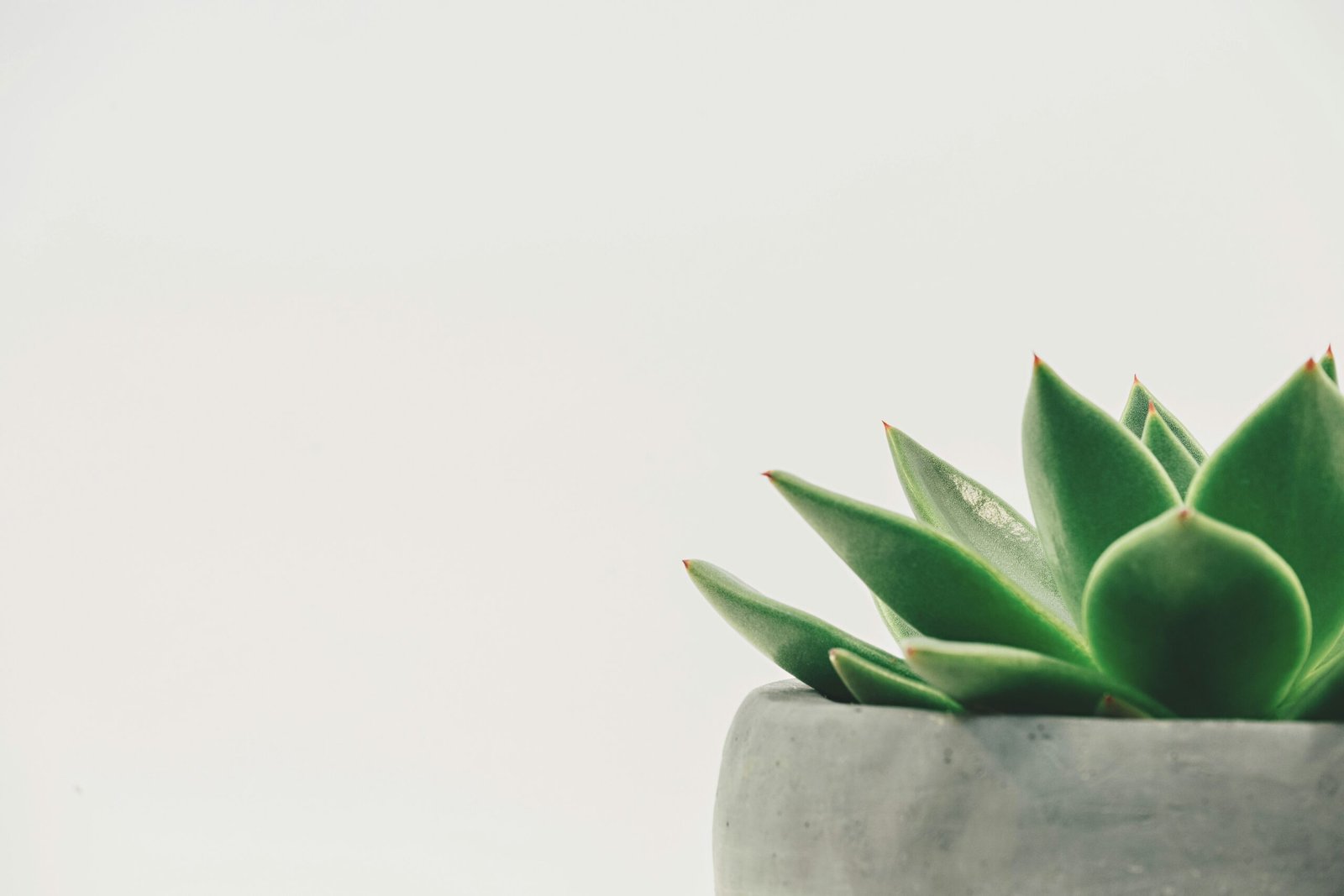
When starting or expanding a commercial landscaping project, interior plantscaping venture, or hospitality business, choosing the right commercial plant pots is essential for long-term success. The type of container you select directly impacts root health, moisture retention, and overall plant vitality. Many options are available in the modern marketplace, and each material serves a very specific operational purpose.
Understanding the balance between aesthetics, weight, and durability helps business owners make cost-effective decisions. From heavy architectural displays in hotel lobbies to lightweight containers on outdoor patios, the proper selection prevents premature replacement and protects your living investments.
Operational Impact of Proper Container Selection in Business Settings
Selecting proper commercial plant containers directly influences ongoing plant health, maintenance labor costs, and overall aesthetic impressions in a business setting. When a commercial space features thriving greenery, visitors perceive attention to detail and professional care. Conversely, undersized or poorly draining pots lead to root rot, stunted growth, and frequent plant replacements that strain operating budgets.
Commercial environments present unique challenges that residential gardens rarely face. High foot traffic, exposure to harsh weather elements, and frequent relocation by cleaning staff mean that commercial plant pots must be structurally robust. Furthermore, managing enterprise overhead requires business owners to weigh initial acquisition costs against expected lifespan and maintenance requirements. Factoring in financial asset allocation is just as important here as it is when reviewing a smart financial asset allocation strategy for other operational equipment.
Comparing Material Durability, Weight, and Cost Profiles
Different materials offer distinct trade-offs in weight, price, weather resistance, and visual style for commercial applications.
Plastic and polyethylene containers provide unmatched affordability and impact resistance. These lightweight pots are easy to transport across large facilities, making them popular for seasonal plant rotations. However, lower-grade plastics can degrade under prolonged ultraviolet exposure unless treated with specialized inhibitors.
Fiberglass and composite blends have become industry favorites for modern commercial architecture. These materials mimic the look of heavy stone, concrete, or ceramic while remaining remarkably lightweight. They resist cracking during freezing temperatures, making them ideal for outdoor entryways and rooftop terraces.
Terracotta and unglazed clay offer natural porosity that allows air circulation around root systems. While this prevents overwatering, traditional clay is heavy, brittle, and susceptible to cracking if water freezes inside the porous walls during winter.
Ceramic containers deliver high-end aesthetic appeal for indoor plant displays. Their glazed surfaces lock in moisture effectively, but their substantial weight and higher price point limit their practicality for large-scale outdoor installations.
Fabric grow bags, traditionally used in agricultural settings, are increasingly utilized in commercial nurseries and specialized urban green spaces. They promote superior root pruning through air exposure, virtually eliminating root circling, though their soft sides require specialized outer decorative sleeves for formal commercial interiors.
| Material Type | Weight | Durability | Best Application |
|---|---|---|---|
| Plastic / Polyethylene | Lightweight | High | High-traffic areas, seasonal displays |
| Fiberglass / Composite | Moderate | Very High | Rooftops, modern architectural facades |
| Terracotta / Clay | Heavy | Moderate (Fragile) | Indoors or mild outdoor climates |
| Glazed Ceramic | Heavy | Moderate | Executive offices, upscale lobbies |
| Fabric Bags | Very Light | Moderate | Grow operations, urban agriculture |
Evaluating Environmental Exposure and Structural Weight Limits
Assessing environmental conditions, weight limitations, and drainage requirements ensures commercial plant pots perform reliably over time. Drainage is one of the most critical elements of plant care. Without proper holes or drainage layers, standing water breeds root pathogens and attracts pests.
Location also dictates material selection. Outdoor containers face intense ultraviolet radiation, heavy rain, and freezing winds. Selecting UV-resistant plastics or frost-proof fiberglass prevents premature degradation. For elevated balconies or rooftop lounges, heavy concrete containers may exceed structural weight capacities, making lightweight composite alternatives necessary.
Sizing Strategies and Trade Volume Standards
Selecting the correct container dimensions relies on understanding standard trade gallon sizing and root system architecture. Commercial nurseries categorize plants by trade sizes, which reflect actual root ball volume rather than arbitrary rim measurements. When transitioning a plant into a commercial display pot, the new container should generally be two to four inches larger in diameter than the previous root mass.
Oversizing a pot creates excess wet soil that retains moisture too long, leading to root suffocation. Conversely, undersized containers restrict growth and require frequent watering cycles that increase labor expenses for your maintenance team.
Sanitation Protocols and Professional Horticultural Upkeep
Establishing a routine cleaning and sanitization schedule prevents pest accumulation and disease transmission between planting cycles. Commercial plant pots accumulate mineral deposits, salt buildup from fertilizers, and algae over time. Scrubbing empty containers with a mild disinfectant solution before introducing new greenery protects your investment.
For businesses seeking hands-free management, partnering with professional interior landscaping or facility maintenance contractors ensures consistent watering, pruning, and pot rotation. Properly maintained containers retain their professional appearance for years, enhancing corporate branding and customer satisfaction.
Common Inquiries Regarding Commercial Plant Containers
What is the most durable material for outdoor commercial plant pots?
Fiberglass and heavy-duty polyethylene plastics are widely considered the most durable options for outdoor commercial use because they resist cracking, UV fading, and extreme temperature fluctuations.
How do I ensure proper drainage in large commercial planters?
Ensure the pot features pre-drilled bottom drainage holes, and consider adding a layer of coarse gravel or specialized drainage mesh to prevent soil compaction from blocking water flow.
Are heavy concrete pots safe for rooftop commercial spaces?
Traditional concrete pots can exceed weight limits on elevated structures, which is why structural engineers often recommend lightweight fiberglass or resin replicas designed to look like concrete.
How often should commercial plant pots be replaced?
High-quality fiberglass and thick plastic pots can last for a decade or more, while cheaper plastics may need replacement every two to four years due to sun degradation.
What size container should I choose for a growing shrub or small tree?
Choose a container that provides at least two to four inches of extra space around the current root ball to allow healthy root expansion without overwhelming the plant with excess soil.
Can I use indoor ceramic pots outdoors during winter?
Most glazed ceramic pots are porous and absorb moisture that expands when frozen, causing the ceramic to crack in freezing outdoor winter conditions.
How can I clean mineral buildup off commercial plant containers?
White crusty mineral deposits can usually be removed by scrubbing the pot with a mixture of equal parts water and white vinegar using a stiff-bristled brush.
Disclaimer: Product specifications, material durability, and market pricing for commercial plant pots are subject to change based on manufacturing standards and supply chain variations. Business owners should verify final product details and warranty terms directly with official suppliers before making bulk purchases.


