
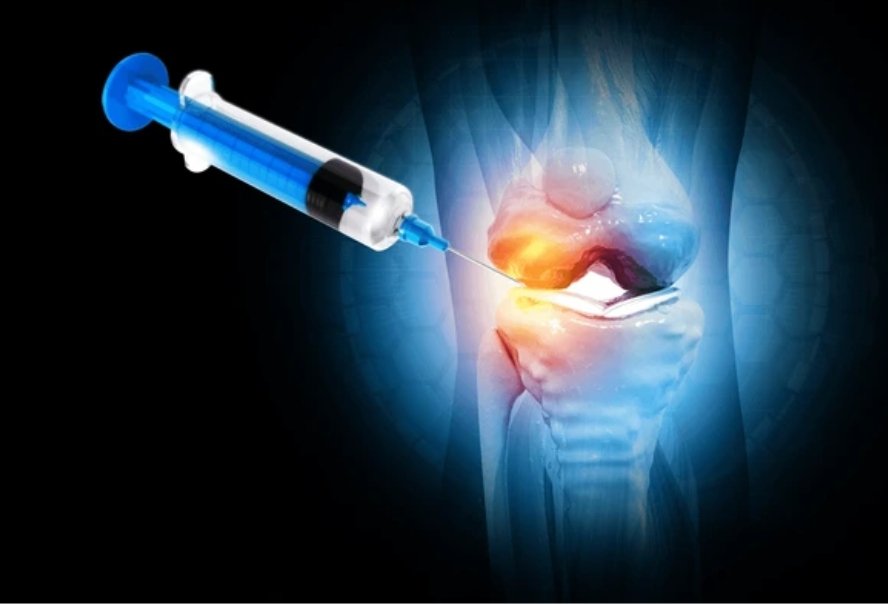
If you are dealing with persistent stiffness and cartilage wear in your knees or hips, regenerative injection therapy offers a modern approach to managing joint degeneration. Rather than masking deep discomfort with standard medications or rushing into invasive joint replacement surgery, this method targets the underlying tissue breakdown. Orthopedic specialists utilize these biological treatments to encourage your body’s natural cellular repair mechanisms in areas that struggle with limited natural blood flow.
Understanding Cartilage Degradation and Joint Preservation
Cartilage wear and tear weakens joint stability because worn surfaces lack the ability to repair themselves effectively without external biological support. When repetitive friction or inflammatory conditions break down protective connective tissue, bones begin to grind together and trigger chronic discomfort. Regenerative injection therapy intervenes by introducing concentrated healing agents directly into the intra-articular space to modify inflammatory pathways and protect remaining joint structures.
Comparing Platelet-Rich Plasma, Stem Cells, and Viscosupplementation
Platelet-rich plasma concentrates healing growth factors from your own blood supply to signal tissue repair. Mesenchymal stem cells, harvested from bone marrow or adipose tissue, possess the unique ability to influence cellular regeneration within damaged joints. Hyaluronic acid viscosupplementation acts primarily as a liquid cushion to restore smooth gliding mechanics, while autologous chondrocyte implantation involves growing specialized cartilage cells in a laboratory setting before placing them back into the focal defect.
| Injection Type | Primary Biological Source | Main Clinical Purpose |
|---|---|---|
| Platelet-Rich Plasma (PRP) | Patient’s own centrifuged blood | Reduces local inflammation and delivers concentrated growth factors |
| Mesenchymal Stem Cells | Bone marrow or adipose tissue | Encourages cellular repair and connective tissue adaptation |
| Hyaluronic Acid | Synthetic or avian-derived fluid | Restores joint lubrication and mechanical cushioning |
| Chondrocyte Implantation | Lab-grown patient cartilage samples | Repairs localized cartilage holes and focal surface damage |
Out-of-Pocket Costs and Real Biological Healing Timelines
Understanding the financial commitment and biological recovery timeline is essential before scheduling any procedure. Because insurance providers often classify advanced orthobiologics as elective or experimental, patients must typically prepare for significant out-of-pocket expenses. Furthermore, unlike quick-acting steroid shots that diminish inflammation overnight, actual tissue remodeling requires patience. New collagen fibers and extracellular matrices mature slowly over a span of three to six months, meaning noticeable functional improvements arrive gradually rather than all at once.
Patient Eligibility Factors and Advanced Degeneration Limits
Determining whether your joint condition qualifies for biological treatment requires a careful evaluation of structural damage. Individuals experiencing mild to moderate osteoarthritis, isolated meniscus tears, or focal cartilage defects often make excellent candidates because they retain sufficient joint space on imaging. Conversely, patients with severe bone-on-bone arthritis or complete structural collapse generally lack the necessary joint architecture for regenerative treatments to succeed. In those advanced scenarios, traditional joint replacement surgery remains the most reliable path to pain-free movement.
Preparation Steps and Phased Post-Procedure Rehabilitation
Preparing for your appointment involves reviewing current medications and adjusting anti-inflammatory drugs that might interfere with normal platelet activity. During the procedure itself, a trained practitioner uses ultrasound or fluoroscopy to guide the needle precisely into the affected joint capsule. Following the injection, patients should expect localized swelling and temporary discomfort for the first several days. Strenuous activities must be temporarily restricted to protect the fragile healing site. Structured physical therapy is subsequently introduced around weeks four through six to rebuild supporting muscle strength safely. To support overall physical conditioning and prevent secondary imbalances, pairing your joint rehabilitation with tailored athletic rehabilitation protocols can further enhance long-term mobility.
Potential Side Effects and Evaluating Practitioner Expertise
While orthobiologic treatments carry a favorable safety profile compared to major surgery, evaluating potential complications and provider expertise is critical. Minor side effects like temporary injection site soreness and transient swelling are common and resolve with cold packs and rest. Rare risks include localized infection or nerve irritation, which are minimized through strict sterile technique. Because the regenerative medicine field attracts varying levels of clinical oversight, patients must verify that their administering physician is a board-certified orthopedic or sports medicine specialist.
Frequently Asked Questions
Does regenerative injection therapy hurt during the procedure?
Most individuals feel mild pressure or localized discomfort during the injection, though local anesthetics are used to keep the experience manageable.
How long do the therapeutic benefits typically last?
Duration of relief depends on the underlying joint condition and lifestyle factors, with many patients reporting improved comfort lasting for several years.
Will health insurance cover stem cell or PRP procedures?
Standard insurance policies frequently classify these regenerative treatments as experimental, meaning coverage is rare and out-of-pocket costs apply.
When is it safe to resume high-impact exercise after treatment?
High-impact workouts must be avoided for the first few weeks, with low-impact movements and guided physical therapy introduced gradually over several months.
Can regenerative injections completely reverse advanced bone-on-bone arthritis?
No, these therapies cannot restore completely destroyed joints; they are designed for mild to moderate degeneration and localized cartilage wear.
What is the primary difference between PRP and stem cell therapy?
Platelet-rich plasma uses concentrated growth factors derived from your own blood, whereas stem cell therapy involves harvesting cells with broader tissue-building potential.
Disclaimer: This article offers educational information about regenerative injection therapies and should not substitute for professional medical advice. Treatment outcomes, recovery times, and costs vary based on individual health profiles. Always consult a qualified healthcare provider to discuss your specific joint condition and confirm details from official medical sources.

Daniel J. Morgan is the founder of Invidiata Magazine, a premier publication showcasing luxury living, arts, and culture. With a passion for excellence, Daniel has established the magazine as a beacon of sophistication and refinement, captivating discerning audiences worldwide.


