

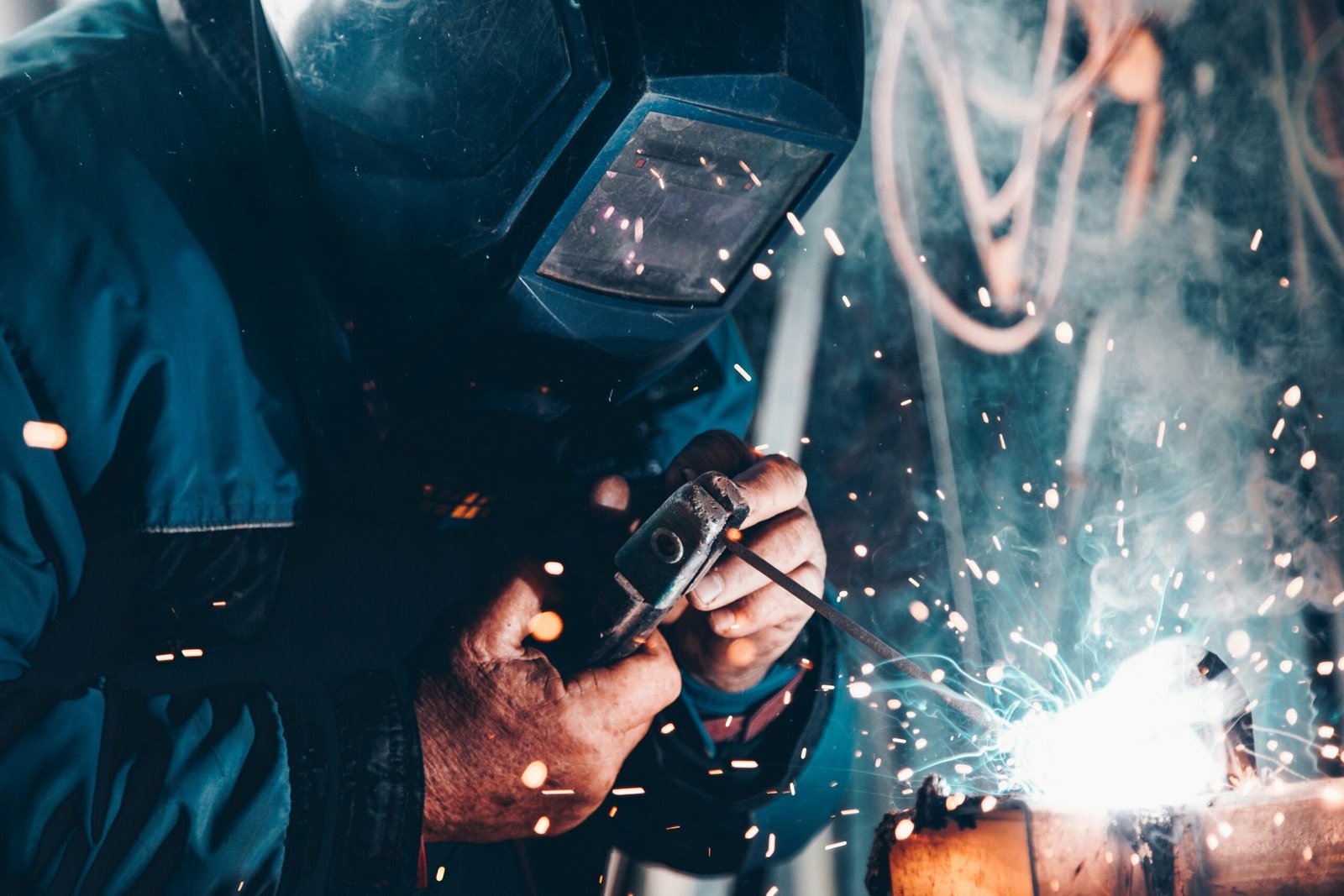
Photo by Christopher Burns on Unsplash
Finding the best residential welding service for your home improvement or repair project can feel overwhelming, especially if you have little experience working with metal fabrication. Whether you need a custom driveway gate repaired, a decorative staircase railing installed, or structural support beams reinforced, hiring a qualified professional ensures the work is safe and durable. Understanding what to look for makes the vetting process straightforward and protects your investment.
Assessing Your Residential Metalwork Project Requirements
Homeowners must clearly define their project requirements before contacting any residential welding and fabrication services to ensure accurate quotes and proper execution. Start by categorizing your project as either a structural repair, custom fabrication, or basic decorative installation. The specific metal involved—such as structural steel, lightweight aluminum, or wrought iron—will dictate the appropriate welding process, whether it is MIG, TIG, or stick welding. Knowing the exact scope of work allows local mobile welders or shop owners to understand your timeline and material needs right from the initial phone conversation.
Essential Credentials: Certifications, Insurance, and Licensing
Verifying a welder’s official credentials and active liability insurance protects your property from accidental damage and ensures industry standards are met. Ask prospective contractors for proof of general liability insurance, which covers any unexpected accidents or structural mishaps that occur while they are working on your residential property. In addition, inquire whether the technicians hold specific certifications from recognized organizations like the American Welding Society (AWS). Certified welders have passed rigorous testing protocols that prove their technical competence across various metal alloys and joining techniques.
Evaluating Portfolios, Reviews, and Past Residential Work
Examining a contractor’s verified portfolio and customer reviews gives you an honest look at their craftsmanship on past residential projects. Look through their digital photo galleries on business websites, Instagram profiles, or home improvement platforms to evaluate weld neatness, grinding finish quality, and overall structural alignment. Pay close attention to projects similar to yours, such as security window bars or custom fences, rather than commercial construction work. Reading feedback on independent review sites can also highlight how reliable a contractor is regarding punctuality and cleanliness after finishing a job.
Understanding Quotes, Mobile vs. Shop Rates, and Warranties
Requesting detailed, itemized cost estimates allows you to compare labor rates, material markups, and project fees fairly among different welding professionals. Some residential welding tasks can be performed on-site using fully equipped mobile welding trucks, while complex custom fabrication jobs must take place inside a dedicated metal shop. Be wary of exceptionally low bids, as they may indicate compromised material thickness or a lack of proper insurance coverage. Furthermore, always ask for a written workmanship warranty that guarantees the welds against cracking or structural failure for a reasonable period after completion.
If your broader home improvements involve upgrading major utility lines or fixtures, you may want to consult an expert electrical installation service for your home to ensure all security systems, automated gates, and outdoor lighting are safely connected.
The Importance of an On-Site Consultation
Scheduling a thorough on-site consultation helps eliminate surprise fees and ensures the welder fully understands the physical environment of your home. An in-person inspection allows the welding professional to measure exact clearances, check the load-bearing capacity of existing anchor points, and test the condition of the surrounding metal. This meeting also provides an ideal opportunity for you to ask specific questions about the timeline, installation methods, and how they will protect surrounding landscaping or paving during the welding process.
Frequently Asked Questions About Residential Welding Services
What is the difference between mobile welding and shop welding?
Mobile welding involves a technician driving a specialized truck directly to your home to perform on-site repairs, whereas shop welding requires you to transport the metal piece to their facility for more complex fabrication.
How do I know whether my project requires steel or aluminum?
Steel offers maximum strength and durability for structural loads and security gates, while aluminum provides a lightweight, corrosion-resistant alternative ideal for coastal areas or specific decorative rails.
Should I always choose the lowest quote for my welding project?
No, the cheapest estimate often reflects lower-quality materials, inexperienced labor, or a complete lack of liability insurance, which can cost you much more in future repairs.
Do residential welders provide warranties on their work?
Reputable welding services typically offer a workmanship warranty that covers structural integrity and weld defects for a set period after the project is finished.
How long does a typical custom residential metal gate take to fabricate?
Turnaround times vary based on design complexity and current shop workload, but most custom residential gates take anywhere from one to three weeks from initial consultation to final installation.
Are permits required for residential metalwork installations?
Certain structural additions or large security installations may require local municipal building permits, which a professional welding contractor can help you identify and navigate.
Disclaimer: Metal fabrication requirements and local contractor regulations can vary significantly depending on your geographic location. Always verify a welder’s current insurance certificates, licenses, and specific warranty terms directly before signing any service agreements or releasing project deposits.

Daniel J. Morgan is the founder of Invidiata Magazine, a premier publication showcasing luxury living, arts, and culture. With a passion for excellence, Daniel has established the magazine as a beacon of sophistication and refinement, captivating discerning audiences worldwide.


