
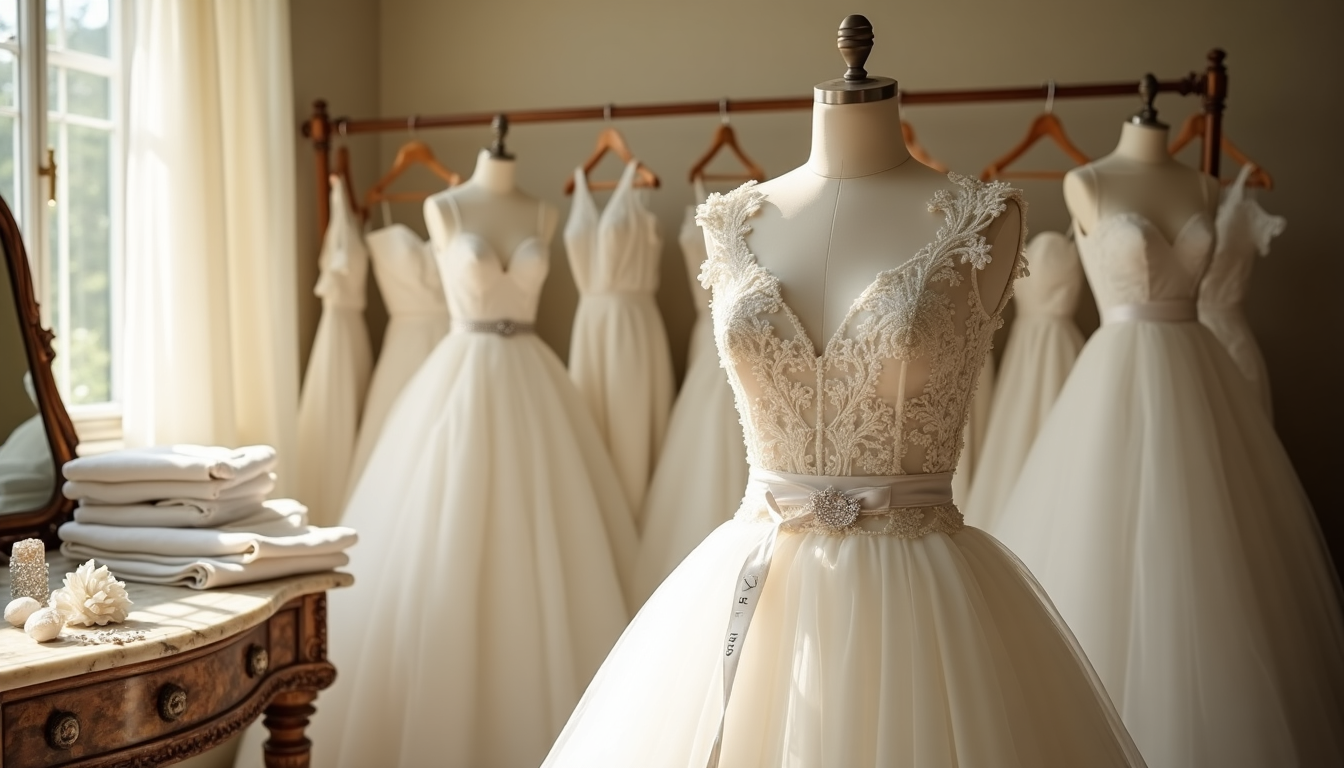
Every bride dreams of wearing the perfect wedding dress on her special day. Yet, many discover that countless racks of ready-made gowns fail to capture their unique vision or personal style.
A custom bridal gown offers the opportunity to create exactly what you have imagined, from the silhouette down to the smallest hand-stitched detail. This personalized approach ensures your dress tells your story and reflects your personality perfectly.
Whether you are considering local independent studios, digital-first designers, or renowned fashion ateliers, designing a custom wedding dress involves crucial decisions and careful planning. This comprehensive guide walks you through each step of creating your dream dress, from establishing a realistic timeline to choosing sustainable fabrics and managing fittings.
Embracing Digital Tools and Virtual Design Consultations
Virtual consultations and digital 3D body scanning have completely transformed how brides collaborate with independent ateliers and remote designers.
Modern bridal design extends far beyond traditional brick-and-mortar storefronts, allowing you to connect with global couture talent without booking constant flights. Many independent labels now utilize high-precision digital measurements and remote shipping for initial mock-ups. This technical evolution gives you access to specialized craftsmanship while streamlining the early developmental stages of your gown.
Mastering Lead Times and Transparent Budget Structures
Setting a realistic financial and time schedule requires accounting for current luxury textile supply chains and itemized production expenses.
Luxury textile sourcing and studio availability in 2026 require starting your custom journey 9 to 12 months ahead of your wedding date to avoid rush fees. When discussing pricing with your chosen designer, request a fully itemized quote that explicitly separates the base labor, structural internal corsetry, complex hand-beading, and post-production tailoring.
Evaluating Independent Ateliers and Digital Labels
Evaluating potential creators requires looking closely at verified client portfolios, technical skill ranges, and communication compatibility.
Start by exploring independent studios and digital-first custom makers whose aesthetic aligns with your vision. Look for portfolios that feature diverse body types and consistently clean structural seams. Your initial meeting should focus heavily on clarifying their sampling procedures, estimated production windows, and revision policies.
Sourcing Sustainable and Modern Luxury Fabrics
Choosing eco-conscious textiles allows you to balance exquisite tactile elegance with modern ethical values.
While traditional heavy silk satins and classic illusion tulle remain popular, today’s brides frequently request sustainable options like peace silk, organic cotton blends, and upcycled vintage textiles. Your designer will help you weigh how each material moves, drapes, and reacts to your specific wedding venue climate.
Navigating the Three-Stage Fitting Journey
A structured fitting schedule ensures your bespoke garment achieves an immaculate fit through carefully timed developmental milestones.
Most bespoke creators schedule two to three comprehensive fittings spread across several weeks before the ceremony.
| Fitting Stage | Timing Window | Primary Focus |
| First Fitting | 8-12 weeks before | Initial muslin mock-up testing basic structure and silhouette |
| Second Fitting | 4-6 weeks before | Working in actual fabric to refine fit and add embellishments |
| Final Fitting | 1-2 weeks before | Final tweaks, posture checks, and final hem adjustments |
Always bring your planned wedding shoes and foundational undergarments to these sessions so the tailor can calibrate the exact proportions.
Spotting Red Flags and Contractual Warning Signs
Recognizing early warning signs protects your investment from severe delivery delays, hidden costs, and creative clashes.
Be wary if a designer avoids transparent pricing discussions or refuses to provide a clear written agreement detailing every milestone and alteration policy. Additionally, if a professional dismisses your core ideas or pressures you into hasty choices, it signals potential collaboration challenges ahead.
For helpful ideas for planning social gatherings that complement your wedding preparations, you can also explore our guide on tips for planning the perfect backyard party.
Frequently Asked Questions
How far in advance should I start designing a custom wedding dress?
You should begin researching and contacting custom designers 9 to 12 months before your wedding date to allow adequate time for fabric sourcing, handcrafting, and multiple fittings.
Can I incorporate family heirlooms into my custom gown?
Yes, skilled designers routinely incorporate vintage lace trims, heirloom buttons, or fabric scraps into custom dresses to create deeply meaningful family legacies.
What happens if my weight fluctuates during the custom design process?
Designers build structural ease into early mock-ups and schedule final fittings close to the wedding date specifically to accommodate minor natural body fluctuations.
Are custom bridal gowns more expensive than designer ready-to-wear dresses?
Custom gowns can vary widely in price depending on fabric luxury and labor complexity, often comparable to high-end designer ready-to-wear before factoring in retail alterations.
Can I work with a custom bridal designer remotely?
Many modern independent designers offer remote design packages utilizing digital measurements, shipped muslin mock-ups, and virtual check-ins.
How many fittings are typically required for a custom gown?
Most brides experience two to three comprehensive fittings, starting with a muslin trial and ending with final length and posture adjustments.
Disclaimer
Design timelines, material availability, and pricing structures vary significantly by independent designer and geographic region. Readers should always verify final contract terms, policies, and production estimates directly with their chosen professional before committing funds.

Daniel J. Morgan is the founder of Invidiata Magazine, a premier publication showcasing luxury living, arts, and culture. With a passion for excellence, Daniel has established the magazine as a beacon of sophistication and refinement, captivating discerning audiences worldwide.


