
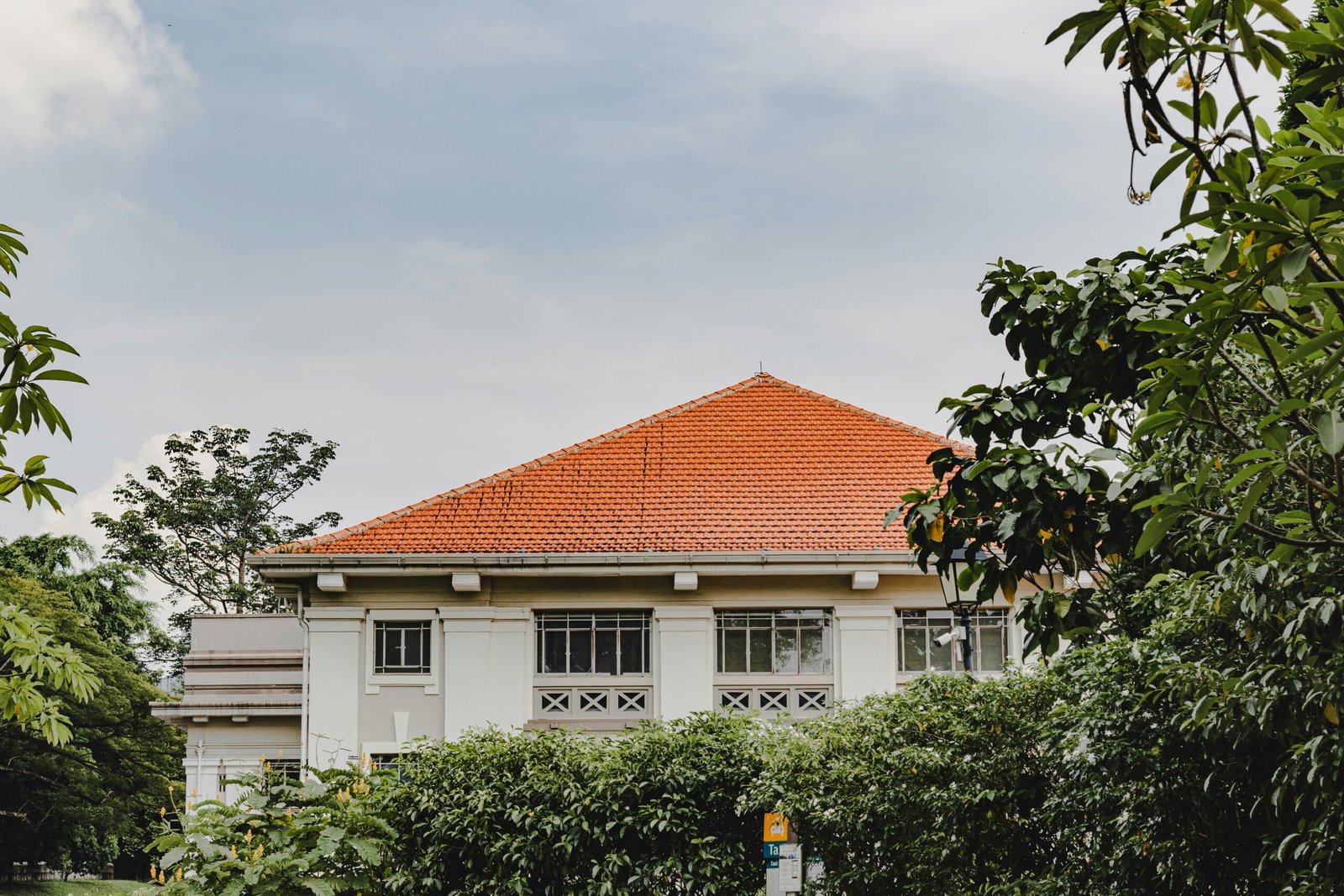
Finding a dependable roofing professional in Southern California requires careful research and an understanding of local building requirements. The right contractor ensures that your roofing project is completed on schedule, within budget, and up to regional safety standards. Property owners can save significant time, money, and stress by knowing what credentials to verify before signing any service agreement.
Why San Diego’s Climate Demands Local Roofing Expertise
San Diego’s distinct microclimates—ranging from heavy coastal moisture and morning marine layers to intense inland sun exposure—require specialized knowledge of durable roofing materials. Local roofing contractors understand how UV radiation and occasional heavy downpours affect different shingle types, tile configurations, and flat roof membranes. Choosing a professional familiar with the region ensures that your home receives proper ventilation, moisture barriers, and cool roof solutions designed to perform under local weather extremes.
Furthermore, residential roof replacements in the region must comply with California Title 24 energy efficiency standards. A knowledgeable local contractor will guide you through mandatory cool roofing requirements, radiant barriers, and attic insulation updates that help lower indoor cooling costs while meeting municipal building codes.
Verifying Contractor Licensing and Insurance in California
Verifying active licensing and comprehensive insurance protection is the single most critical step in protecting yourself from liability during a home improvement project. In California, all roofing contractors working on jobs valued above a certain threshold must hold a valid license issued by the California Contractors State License Board (CSLB). You can check a contractor’s license online to confirm that it is active, properly classified, and free of disciplinary actions or unresolved consumer complaints.
Beyond state licensing, genuine professionals must carry active general liability insurance and workers’ compensation coverage. General liability protects your property against accidental damage, while workers’ compensation ensures that injured laborers cannot sue you for workplace accidents. Always request a certificate of insurance sent directly from the insurance agency rather than accepting photocopies from the contractor.
Decoding Detailed Roofing Estimates and Contracts
An itemized written estimate provides a clear window into a contractor’s professionalism, pricing transparency, and operational scope. A comprehensive bid should separate material costs, labor fees, municipal permit charges, and roof tear-off or waste disposal expenses into distinct line items. Comparing multiple estimates allows you to identify outliers, such as bids that are suspiciously low because the provider plans to cut corners or use substandard materials.
Your final contract should also outline a realistic project timeline, a reasonable deposit structure, and structured payment schedules tied to verifiable project milestones. Never pay for the entire project upfront, and ensure every verbal promise made by the sales representative is explicitly written into the contract document.
| Contract Element | What to Look For | Red Flags to Avoid |
|---|---|---|
| Estimate Detail | Itemized material, labor, permit, and disposal costs. | Vague lump-sum figures with zero breakdown. |
| Payment Terms | Milestone-based payments with a modest upfront deposit. | Demanding cash-in-full or large deposits prior to material delivery. |
| Project Timeline | Estimated start and completion dates with weather contingencies. | Open-ended timelines with no accountability for delays. |
Understanding Manufacturer vs. Workmanship Warranties
Long-term protection for your roofing investment depends on understanding the distinct differences between manufacturer material warranties and contractor workmanship guarantees. Manufacturer warranties cover defects in the actual roofing shingles, tiles, or underlayment produced by the factory. Many top-tier manufacturers require certified installer status to validate their extended product warranties.
Workmanship warranties, on the other hand, are provided directly by the installation company to cover errors made during construction, such as improper flashing installation or inadequate nail placement. A reputable contractor stands behind their labor with a workmanship warranty lasting several years, while manufacturer material warranties often span decades. When evaluating comprehensive property maintenance agreements, some homeowners also consider how property and casualty insurance protection integrates with exterior home renovations after storm or wind events.
Navigating San Diego Permits and Local Inspections
Securing municipal building permits is a mandatory legal requirement for residential roof replacements within San Diego city and county jurisdictions. A licensed roofing contractor should handle the permit application process on your behalf, ensuring the project complies with local building safety codes. Skipping permits to save money can result in severe fines, failed municipal inspections, and major hurdles if you decide to sell your property in the future.
Reputable contractors coordinate local building inspections at key stages of the project. Final payment should only be released after the municipal inspector signs off on the completed work and you receive a closed permit card for your home records.
Frequently Asked Questions About Hiring a San Diego Roofer
How do I check if a San Diego roofing contractor is fully licensed?
You can verify a contractor’s credentials by searching their license number directly on the California Contractors State License Board website to confirm active status and insurance standing.
Should I pay for my roof replacement upfront?
No legitimate contractor requires full payment upfront; instead, standard practice involves a modest initial deposit followed by milestone payments tied to project progress.
Are building permits required for a roof replacement in San Diego?
Yes, municipal building permits are legally required for full roof replacements and major repairs to ensure compliance with local safety and energy efficiency codes.
What is the difference between a material warranty and a workmanship warranty?
Material warranties cover defects in the manufacturing of roofing products, whereas workmanship warranties cover installation errors and labor mistakes made by the contractor.
How long does a typical residential roof replacement take?
Most standard residential roof installations in San Diego take between two to five days, depending on weather conditions, roof size, and structural repair needs.
What are California Title 24 cool roof requirements?
Title 24 mandates specific solar reflectance and thermal emittance ratings for residential roofs to reduce energy consumption and manage indoor heat gain in warm climates.
Disclaimer: Roofing regulations, material costs, and licensing requirements can change over time. Homeowners should always verify current contractor credentials, municipal permit rules, and insurance certificates directly through official state and local government resources before beginning any project.

Daniel J. Morgan is the founder of Invidiata Magazine, a premier publication showcasing luxury living, arts, and culture. With a passion for excellence, Daniel has established the magazine as a beacon of sophistication and refinement, captivating discerning audiences worldwide.


