

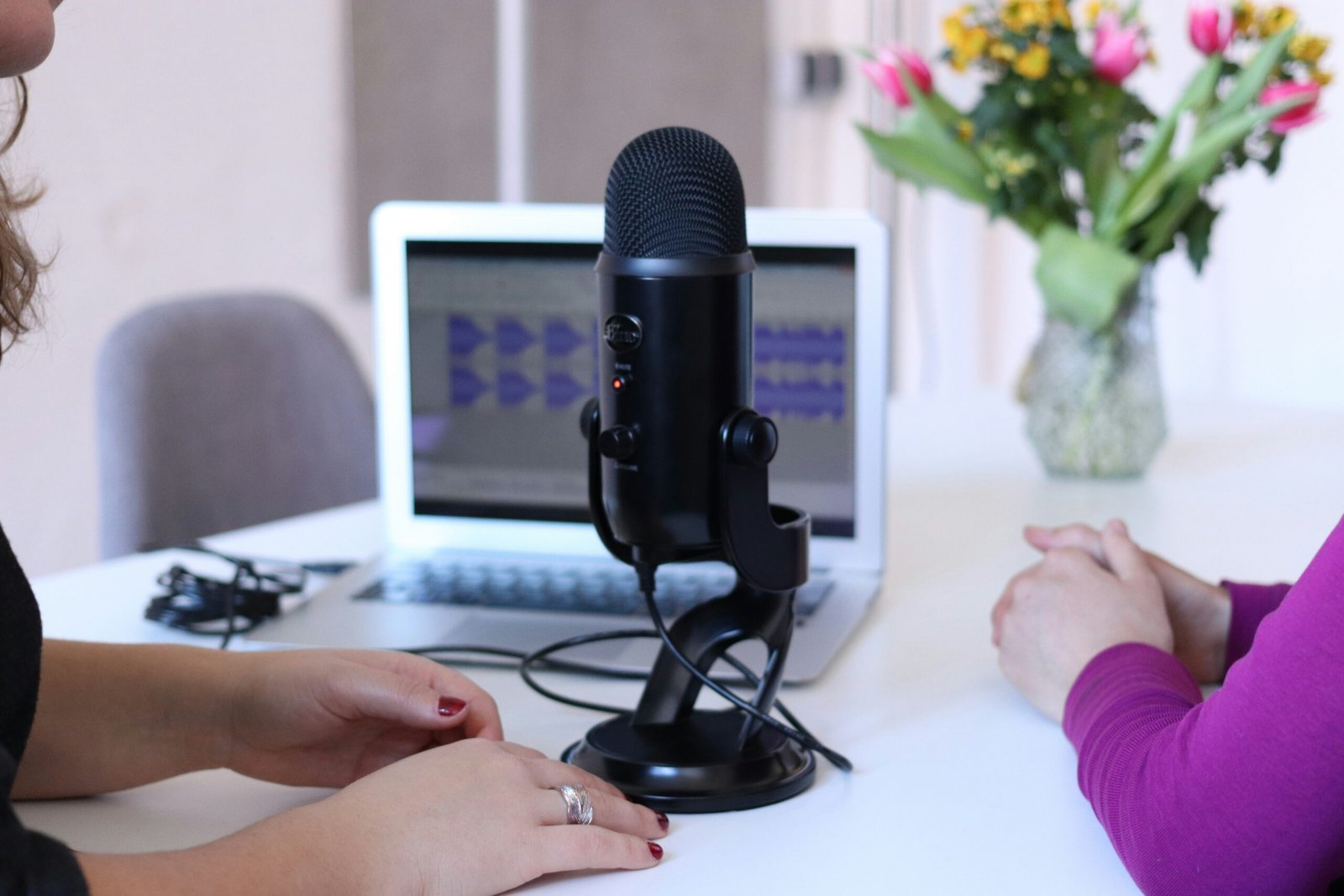
Photo by CoWomen on Unsplash
To keep pace with evolving digital media habits, modern creators are moving past traditional audio-only formats in favor of rich visual shows. Video podcasting has transitioned from an experimental niche into an established industry standard across major media networks like Spotify and YouTube. Combining professional audio recording with captured camera footage creates a dynamic medium that captures viewer attention far longer than text or sound alone. Creators who embrace this visual shift open up entirely new pathways for building loyal communities.
Why Visual Connection Changes the Dynamic with Your Audience
Video podcasting establishes a powerful personal link by revealing subtle micro-expressions, gestures, and authentic reactions that listeners miss in audio-only shows.
When an audience can watch a host or guest react in real-time, the conversation instantly feels more intimate and believable. This visual transparency strips away the barrier between creator and consumer, fostering genuine loyalty and emotional investment. Viewers naturally develop a stronger sense of connection when they can observe the physical environment and body language of the people speaking.
Integrating visual aids, product demonstrations, or on-screen graphics further clarifies complex discussions, making every episode more memorable.
Reaching More People Through Multi-Platform Distribution
Publishing video podcasts across dedicated video networks and traditional podcast feeds maximizes organic discoverability and audience growth.
While historic formats relied exclusively on Apple Podcasts or RSS directories, today’s top creators distribute full-length episodes directly to YouTube Podcasts and Spotify’s built-in video player. Search algorithms and platform recommendation engines favor video content heavily, pushing visual episodes in front of active users searching for new media. Diversifying your publishing destinations ensures your content meets your target demographic wherever they prefer to consume media.
This wide distribution footprint naturally amplifies total impressions without requiring heavy ad spending.
Driving Discovery with Short-Form Video Clips
Vertical short-form clipping serves as the primary discovery engine for modern video podcasters, converting casual scrollers into dedicated long-form subscribers.
Platforms like TikTok, Instagram Reels, and YouTube Shorts allow creators to slice standout interview moments into punchy 9:16 vertical videos. These bite-sized highlights capture immediate attention on crowded feeds and showcase the most compelling highlights of an episode. When casual viewers enjoy a short clip, they frequently seek out the full-length video podcast to watch the entire conversation unfold.
Smart clipping transforms a single recording session into a steady stream of promotional assets.
Building a Recognizable Brand Through Visuals
Consistent studio design, custom color palettes, and recognizable branding help video podcasters stand out against fierce digital competition.
The visual nature of the medium lets producers reinforce their brand identity across every single episode through set design, graphics, and typography. Regular viewers begin to associate those specific visual cues with high-quality content, increasing overall brand recall and top-of-mind awareness. Beyond aesthetic polish, video formats give creators a distinct stage to display their unique personality and professional style.
To explore broader strategies for optimizing operational workflows behind your media business, you might consider reviewing our insights on supply chain efficiency and optimization to streamline production.
Fostering Community Through Active Participation
Video podcasting naturally drives higher comment counts, live chat participation, and social shares compared to traditional audio shows.
The interactive nature of video platforms invites viewers to drop opinions, ask questions, and debate points directly beneath the player. Creators can foster an active community by responding to viewer comments, pinning top insights, or addressing fan questions in subsequent episodes. This active feedback loop makes your audience feel like valued participants rather than distant listeners.
Engaged communities ultimately become your most passionate advocates and organic promoters.
Frequently Asked Questions About Video Podcasting
Answers to common reader questions about equipment, platform choices, and format shifts help clarify how to get started.
What gear do I need to launch a video podcast?
You need a dependable camera or smartphone, a clean external microphone for crisp audio, balanced lighting, and standard editing software.
Where should I host and publish my video podcast?
Primary distribution hubs include YouTube Podcasts, Spotify’s video player, and clipped versions shared across short-form social networks.
Is video podcasting truly better than audio-only formats?
Video formats offer significantly better algorithmic discoverability and deeper personal connection, though audio remains essential for multitasking listeners.
How do I convert long episodes into short vertical clips?
Review your raw footage for high-impact statements or humorous exchanges, then crop them into 9:16 vertical frames for TikTok and Shorts.
Do I need an expensive studio setup to start?
A dedicated studio is helpful, but a clean, well-lit corner with good acoustic dampening is plenty to produce professional episodes.
How often is it necessary to publish new content?
Consistency outweighs sheer frequency, so pick a realistic publishing cadence like weekly or bi-weekly that you can maintain long-term.
Disclaimer: Digital media platforms, distribution requirements, and content algorithms change frequently. Creators should verify platform guidelines and technical specs directly from official sources before launching a new show.


