

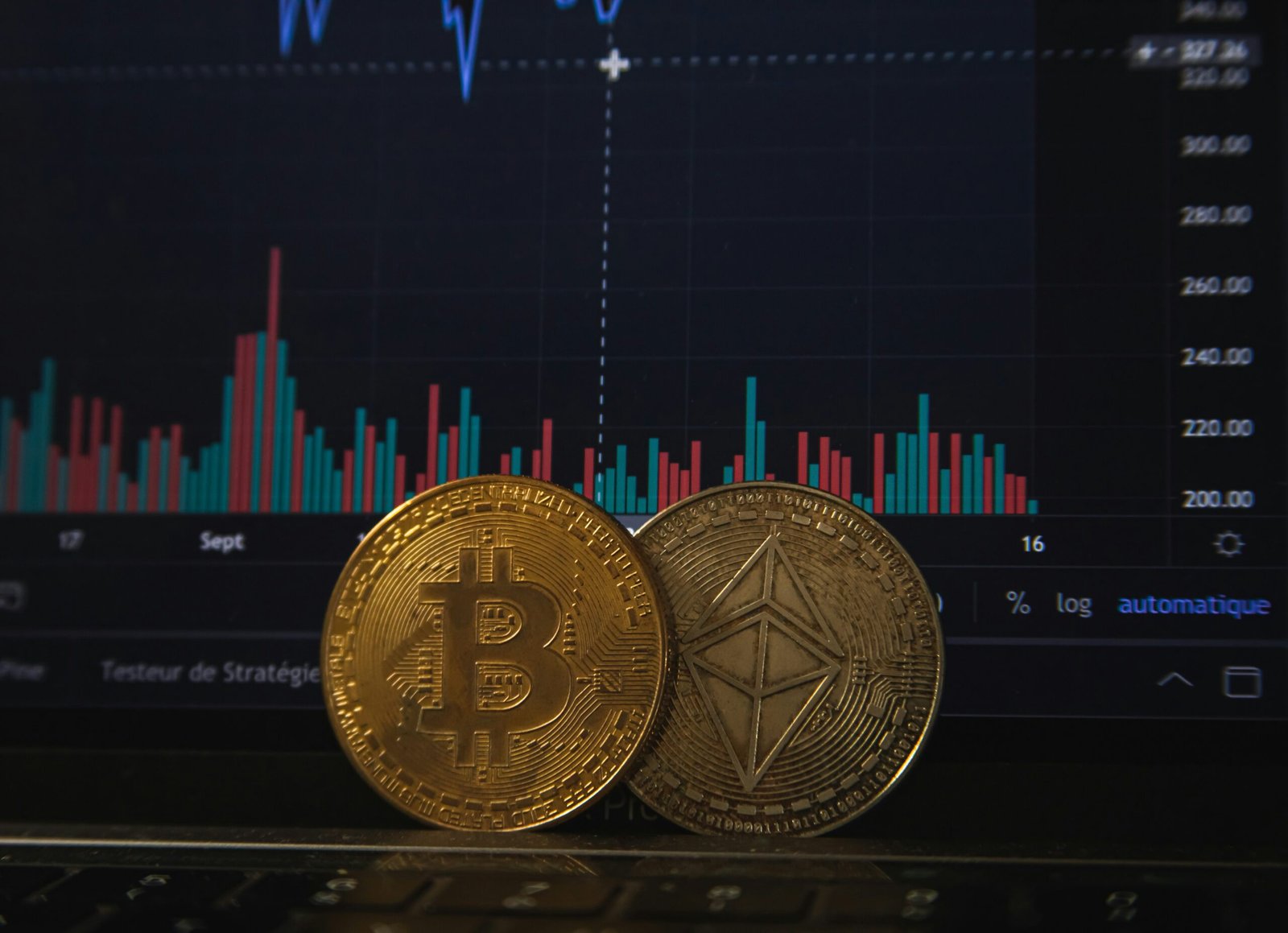
Photo by Pierre Borthiry – Peiobty on Unsplash
Decentralized digital networks rely on strict code-enforced monetary policies to govern token issuance across decades. Among all network upgrades, the periodic cutting of block rewards serves as the primary engine for digital scarcity. Analyzing how these programmed supply adjustments alter market behavior allows participants to separate transient hype from fundamental economic reality.
What is Bitcoin Halving?
Bitcoin halving is a core protocol rule that automatically reduces the issuance rate of new coins by fifty percent after every 210,000 processed blocks.
This programmed adjustment occurs roughly every four years, steadily tapering the influx of fresh digital tokens into global circulation. Satoshi Nakamoto designed this predictable issuance schedule to cap total lifetime production at 21 million units, eliminating the risk of arbitrary currency debasement. Because the underlying network operates on a decentralized peer-to-peer architecture, no central authority can alter the release timeline or accelerate block reward distribution.
How Supply Dynamics Shape Bitcoin’s Economics
The fundamental economic consequence of each halving cycle is an immediate contraction in daily issuance, which introduces long-term deflationary pressure.
Traditional fiat money systems suffer from unlimited government printing presses, leading to persistent purchasing power erosion. Digital assets counter this flaw by enforcing absolute supply caps. When the block subsidy dropped from 6.25 coins down to 3.125 coins following the April 2024 halving event, daily supply inflation plummeted overnight. Basic market equilibrium dictates that if fewer new units enter circulation while buyer demand holds steady or expands, the resulting scarcity supports organic price appreciation.
Historical Price Trends and Post-Halving Realities
Past market data reveals that previous reward reductions frequently preceded major bull cycles, though historical outcomes never guarantee future price direction.
Following the 2012 halving, market valuations climbed from roughly $12 past $1,000 within twelve months. Similar upward patterns followed the 2016 and 2020 adjustments as tightening supply collided with surging global interest. Despite these encouraging precedents, investors must recognize that macroeconomic shifts, global liquidity changes, and evolving regulatory frameworks heavily dictate post-halving market trajectories.
The Evolving Role of Bitcoin Miners
Mining operators face direct revenue compression when block subsidies are cut in half, requiring swift adjustments in hardware efficiency and power management.
Because transaction validation yields fifty percent fewer newly minted coins, less efficient mining equipment quickly becomes unprofitable and disconnects from the network. Surviving operations routinely upgrade to advanced application-specific integrated circuits that consume less electrical power per hash. This rigorous weeding-out process temporarily adjusts network difficulty before stabilizing as professional facilities optimize energy expenses and lean more heavily on transaction fee revenue.
Institutional Influence and Market Maturation
Modern halving events unfold within a sophisticated financial ecosystem characterized by regulated investment vehicles and massive institutional liquidity pools.
The launch and widespread adoption of spot exchange-traded funds have fundamentally changed how institutional capital enters the digital asset sector. Professional asset managers apply strict risk parameters and structured rebalancing strategies, which can alter the erratic retail sentiment typical of earlier cycles. This institutional integration introduces unique liquidity dynamics and volatility patterns during post-halving periods.
Key Risks Every Investor Should Weigh
Participants must carefully evaluate persistent market volatility, shifting global compliance standards, and underlying technological security considerations before allocating funds.
Even with a favorable supply reduction schedule, cryptocurrency valuations experience deep corrections and extended drawdowns. Governments worldwide continue refining regulatory guidelines, creating distinct compliance environments for digital asset custodians and trading venues. Furthermore, while the base layer blockchain remains exceptionally secure, the broader digital ecosystem faces operational hurdles and ongoing cybersecurity threats.
Practical Strategies for Navigating Halving Cycles
Implementing disciplined purchasing routines like dollar-cost averaging helps investors handle market swings without succumbing to emotional decision-making.
Timing the exact market top or bottom around a halving date remains virtually impossible even for seasoned professionals. Spreading investment capital across consistent time intervals minimizes the impact of sudden price volatility. Additionally, maintaining a diversified portfolio across various asset classes provides essential downside protection. When evaluating comprehensive wealth management and asset allocation strategies, investors frequently review key factors to consider when buying a new car or balancing alternative holdings against traditional securities.
Frequently Asked Questions
What is the primary function of a Bitcoin halving?
The primary function is to cut the rate of new coin creation in half, enforcing a strict 21-million-coin limit over time.
How frequently do these reward reductions take place?
Halving events occur automatically after every 210,000 validated blocks, which averages out to roughly once every four years.
What changed during the April 2024 halving event?
The block reward dropped from 6.25 BTC down to 3.125 BTC for every newly mined block added to the blockchain.
Does a halving guarantee an immediate price surge?
No, a halving does not ensure an immediate price increase. While supply tightens, overall market valuations depend heavily on broader economic conditions and demand.
How do block reward cuts impact Bitcoin miners?
Miners experience reduced block revenues, forcing them to rely on transaction fees, upgrade to efficient hardware, and carefully optimize energy costs.
What is dollar-cost averaging in crypto investing?
Dollar-cost averaging involves investing fixed amounts at regular intervals regardless of current prices to reduce volatility exposure.
Where can investors find reliable guidance on risk management?
Investors should study verified historical data, consult qualified financial advisors, and review independent educational resources before investing.
Disclaimer: This article is for informational and educational purposes only and does not constitute financial advice. Cryptocurrency investments involve high risk, and readers should verify all facts from official sources prior to making financial decisions.

Daniel J. Morgan is the founder of Invidiata Magazine, a premier publication showcasing luxury living, arts, and culture. With a passion for excellence, Daniel has established the magazine as a beacon of sophistication and refinement, captivating discerning audiences worldwide.


