

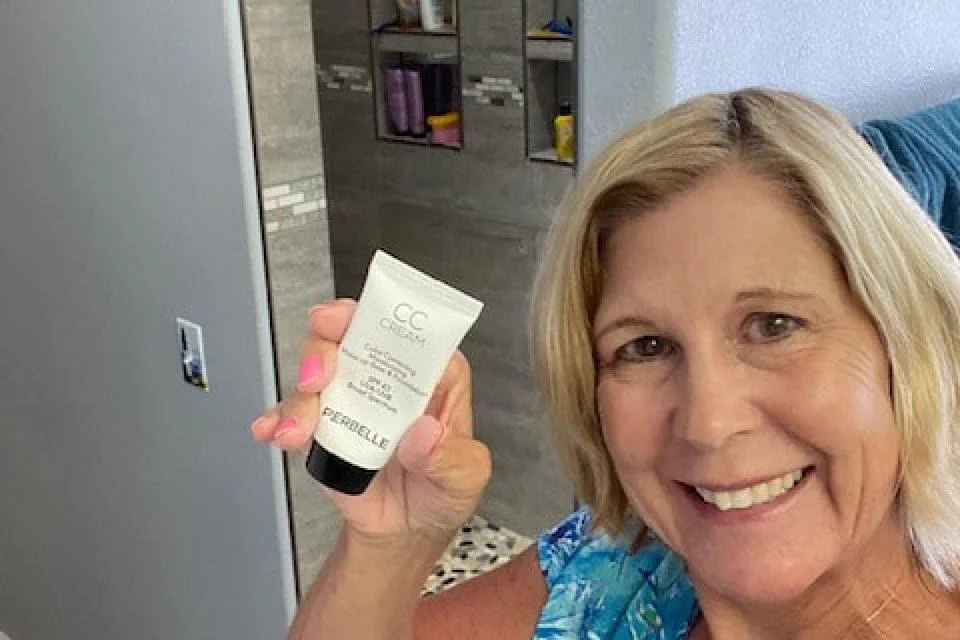
Finding the ideal cosmetic base that tackles multiple complexion concerns without feeling heavy can often feel overwhelming in a crowded beauty market.
Color-correcting cosmetics have gained immense popularity for a very practical reason—they combine skincare hydration, targeted blemish correction, and broad-spectrum sun protection into a single, lightweight step.
The real challenge lies in understanding how these multi-tasking formulas differ from traditional foundations, identifying your specific dermal needs, and selecting the right active ingredients to achieve a smooth, natural finish.
How Color-Correcting Pigments and Light Diffusion Work
A quality cc cream formula utilizes advanced color theory and light-diffusing mineral pigments to neutralize unwanted undertones rather than simply masking them with heavy layers of opaque pigment.
When you apply a color-correcting base, complementary pigments work directly to cancel out surface discoloration. For instance, peach and yellow color-correcting undertones neutralize blue or purple under-eye shadows, while sheer green-tinted pigments successfully counteract widespread facial redness caused by rosacea or irritation.
Unlike traditional liquid foundations that sit heavily on top of the skin, these hybrid cosmetics merge sheer coverage with active skincare treatments. This dual-purpose design allows your natural skin texture to show through while presenting a more balanced, uniform complexion throughout your busy day.
Decoding the Differences Between BB Creams, CC Creams, and Tinted Moisturizers
Understanding where color-correcting bases sit within the broader spectrum of complexion products helps you choose the most appropriate option for your daily routine.
| Product Type | Primary Benefit | Coverage Level | Best Suited For |
|---|---|---|---|
| Tinted Moisturizer | Basic hydration with a sheer wash of color. | Very Sheer | Normal or low-maintenance skin needing minimal tint. |
| BB Cream | Blemish balm focused on moisture and soothing care. | Light to Medium | Dry or dehydrated skin requiring extra nourishment. |
| CC Cream | Color correction targeting redness and uneven tone. | Light to Medium | Redness-prone, combination, or hyperpigmented skin. |
While tinted moisturizers prioritize hydration above all else, blemish balms lean heavily into skin soothing and light coverage. Color-correcting cosmetics specifically target color irregularities, making them the superior choice if you struggle with blotchiness, post-acne marks, or sallow undertones.
Assessing Your Dermal Needs Before Purchasing
The initial step in selecting a cosmetic involves evaluating your fundamental skin type so you can narrow down suitable formulations and avoid those that trigger excess shine or flaking.
You can easily determine your skin type at home using a quick thirty-minute diagnostic method. Begin by cleansing your face with a mild, non-stripping wash and gently patting it completely dry.
Avoid applying any serums, heavy moisturizers, or makeup, and wait quietly for half an hour. If your skin feels tight and displays flaking, you have a dry profile. If widespread oil emerges across your forehead and nose, you are dealing with oily skin, whereas combination skin shows shine exclusively in the central T-zone.
Matching Active Ingredients to Your Specific Skin Type
Selecting the correct ingredient profile ensures your complexion remains balanced, hydrated, and comfortable from morning until night.
For individuals experiencing dry skin, selecting a hydrating cc cream formula containing moisture-binding agents such as glycerin, hyaluronic acid, or nourishing botanical oils is crucial. These components replenish vital moisture levels, ensuring a smoother texture and preventing dry patches from clinging to pigment.
Anyone dealing with excess oil production should opt for lightweight, oil-free options that include ingredients like silica or kaolin clay to absorb sebum and minimize the appearance of enlarged pores. If you have reactive skin, choosing fragrance-free formulas enriched with soothing botanicals like Centella Asiatica helps calm potential irritation without compromising on coverage.
Targeting Hyperpigmentation, Fine Lines, and UV Exposure
When choosing a color-correcting base, consider your overall skin type alongside the specific concerns you wish to address over extended periods of wear.
Advanced formulations often address hyperpigmentation and uneven skin tone using potent brightening agents like vitamin C, licorice root extract, and niacinamide. These active components work synergistically to fade dark spots and promote a more uniform complexion with consistent daily use.
Some products also combat early signs of aging with peptides and plant stem cells that smooth skin texture. Comprehensive UV protection is achieved through mineral sunscreen filters like titanium dioxide and zinc oxide, providing broad-spectrum defense against UVA and UVB rays to prevent premature aging.
Application Techniques for a Seamless, Natural Finish
Applying your color-correcting formula with the right technique ensures streak-free blending and long-lasting comfort.
Begin with a clean face and your preferred daily moisturizer, keeping in mind that you can read our comprehensive skincare practices guide to establish a solid base routine. Dispense a pea-sized amount onto the back of your hand and dot it lightly across your forehead, cheeks, nose, and chin.
Blend outward toward your hairline using clean fingers for a sheer, warmth-melted finish, or use a damp sponge to sheer out excess product if you have combination skin. Build coverage selectively in areas requiring extra neutralization rather than applying heavy layers across your entire face.
Conclusion
Color-correcting cosmetics incorporate a range of beneficial ingredients that simplify your daily beauty routine by combining hydration, treatment, and coverage into a single step. By understanding your unique skin type and selecting formulas rich in compatible active ingredients, you can achieve a natural, even complexion that supports your long-term skin health goals.
Frequently Asked Questions
Can a color-correcting cosmetic replace my daily moisturizer?
While many formulations contain hydrating agents like hyaluronic acid, they generally cannot replace a dedicated moisturizer for individuals with dry skin.
How does a CC cream differ structurally from a BB cream?
BB creams focus primarily on moisture and blemish balm benefits, whereas color-correcting formulas place a heavier emphasis on neutralizing redness and uneven tone.
Should I wear sunscreen underneath my color-correcting base?
If your product contains broad-spectrum SPF, it offers baseline defense, but dermatologists recommend applying a dedicated facial sunscreen underneath for optimal safety.
Can oily skin types wear color-correcting creams every day?
Yes, provided you choose oil-free, mattifying formulas that contain sebum-absorbing minerals like silica or kaolin clay.
What is the best tool for applying a color-correcting base?
Fingers work well for a sheer finish, while damp sponges and synthetic buffing brushes help build even coverage across textured or blemish-prone areas.
Will color-correcting makeup clog my facial pores?
Most high-quality cosmetic formulas are non-comedogenic, but checking the ingredient label remains essential if you have acne-prone skin.
Disclaimer: Cosmetic formulations and individual skin reactions vary. Readers should verify specific product ingredient labels and consult a certified dermatologist for personalized skincare advice.


