
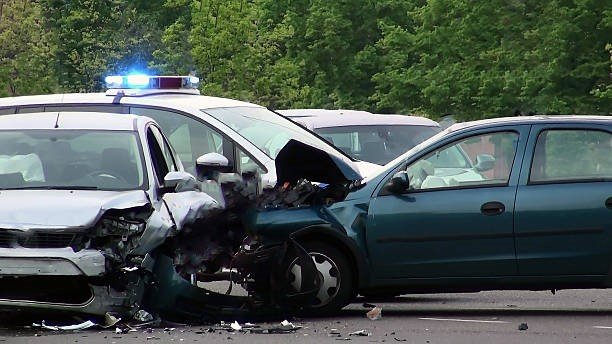
Fort Lauderdale is widely celebrated for its scenic beaches, bustling commercial districts, and vibrant nightlife scene, but these same lively attributes can occasionally give rise to severe motor vehicle collisions across Broward County. When an impaired motorist makes the reckless decision to get behind the wheel, innocent drivers, bicyclists, and pedestrians face catastrophic hazards that alter their health and security forever. For victims and their families, the immediate aftermath brings a crushing wave of physical trauma, emotional distress, and sudden financial strain.
Fortunately, Florida civil law grants injured parties the legal right to seek comprehensive financial compensation from impaired individuals who cause severe harm. Navigating this challenging legal landscape requires dedicated local advocacy, and partnering with an experienced DUI accident lawyer in Fort Lauderdale ensures that victims do not have to battle powerful insurance adjusters alone.
Among the prominent legal advocates serving Broward County, the Hollander Law Firm stands out for its steadfast dedication to injured plaintiffs. Founded by Gregg Hollander, the firm has been serving the residents of Fort Lauderdale since 1996. Alongside DUI collision claims, Gregg Hollander and his legal team handle complex personal injury actions, medical malpractice disputes, and nursing home negligence cases across South Florida.
Understanding How Florida Law Handles DUI Accident Compensation
Florida law establishes a distinct framework for handling collisions caused by intoxicated motorists, separating standard negligence claims from intentional or grossly negligent acts.
Unlike routine traffic fender-benders where driver distraction is the primary factor, an impaired driving collision often involves criminal charges running parallel to civil litigation in local courts. While criminal court focuses on punishing the offender through jail time or license suspension, civil court focuses entirely on making the injured victim whole again under state tort statutes.
Understanding the exact categories of financial compensation available under Florida statutes helps victims protect their rights from the very beginning. Legal remedies are generally broken down into measurable economic losses, subjective non-economic damages, and punitive measures designed to penalize egregious misconduct.
Economic Damages: Recovering Financial Losses
Economic damages compensate victims for direct, out-of-pocket financial expenses and measurable monetary losses stemming directly from the DUI crash.
Medical bills usually form the largest portion of these claims, covering emergency room stabilization, surgical procedures, prescription medications, assistive medical devices, and intensive physical rehabilitation. If a victim sustains permanent disabilities, compensation must account for future medical care, specialized home modifications, and ongoing nursing assistance.
Lost wages represent another critical component because severe injuries often force victims to miss days, weeks, or months of work. When injuries cause long-term disability or permanent career interruption, financial experts calculate future lost earning capacity to ensure the victim maintains long-term financial security.
Property damage is also included here, covering the cost to repair or replace a totaled vehicle, damaged personal electronics, and other belongings destroyed at the crash scene.
Non-Economic Damages: Accounting for Pain and Intangible Losses
Non-economic damages address the profound, subjective human suffering and emotional toll that money cannot easily measure.
Physical pain and suffering encompass the acute agony of injuries, surgical recovery, and chronic discomfort. Beyond physical pain, drunk driving crashes frequently trigger severe psychological trauma, including clinical anxiety, depression, and post-traumatic stress disorder.
Victims may also recover compensation for the loss of enjoyment of life if their injuries prevent them from participating in cherished hobbies, athletic activities, or family milestones. Furthermore, married victims can claim loss of consortium when injuries strain marital companionship and intimacy.
Punitive Damages and Gross Negligence in Florida DUI Cases
Punitive damages serve to punish exceptionally reckless behavior and deter similar misconduct rather than simply reimburse the plaintiff for losses.
Under Florida law, driving under the influence often satisfies the threshold of gross negligence or intentional misconduct required to pursue punitive damages. Courts recognize that deciding to operate a multi-ton vehicle while intoxicated demonstrates a conscious disregard for the safety of others on the road.
Plaintiffs cannot initially demand punitive damages in their opening complaint without court permission. They must first present a reasonable evidentiary proffer showing a factual basis for recovering them.
Crucial Legal Deadlines and Rules That Impact Your Recovery
Strict filing deadlines and state liability rules dictate whether a victim can successfully recover compensation in Broward County courts.
Under Florida tort reform legislation, the statute of limitations for general personal injury lawsuits is two years from the date of the accident. Missing this strict legal cutoff means losing the right to file a lawsuit forever.
Additionally, Florida follows a modified comparative negligence standard under Florida Statute § 768.81. If an insurance adjuster argues that a victim shares a minor fraction of blame for the crash, any awarded compensation could be reduced by that percentage of fault.
How a Fort Lauderdale DUI Accident Lawyer Protects Your Claim
Hiring a qualified legal professional ensures that critical evidence is preserved and aggressive insurance companies do not take advantage of vulnerable victims.
Lawyers investigate every angle of the collision, obtaining police reports, breathalyzer logs, toxicology tests, and traffic camera footage. They work closely with medical experts to document the full scope of required rehabilitation and future care costs.
Victims who want to explore their options further can read more about navigating the personal injury legal process to understand what steps follow an initial consultation.
Frequently Asked Questions
What should I do immediately after a DUI accident in Fort Lauderdale?
Call 911 immediately to ensure police and medical personnel report to the scene, document your injuries, and secure an official crash report.
Can I recover damages if the drunk driver is acquitted in criminal court?
Yes, civil court has a lower burden of proof than criminal court, allowing victims to win financial compensation even if criminal charges are dismissed or result in an acquittal.
How long do I have to file a DUI injury lawsuit in Florida?
In most personal injury cases governed by Florida law, you must file your lawsuit within two years from the date of the accident.
Are punitive damages guaranteed in a DUI injury case?
No, punitive damages are not automatic and require court approval based on evidence proving gross negligence or intentional misconduct by the driver.
What if the drunk driver has no insurance or insufficient coverage?
Your lawyer can investigate whether uninsured motorist coverage on your own auto policy applies or if other liable parties contributed to the incident.
How much does it cost to hire a Fort Lauderdale DUI accident attorney?
Most personal injury lawyers operate on a contingency fee basis, meaning you pay nothing upfront and only owe legal fees if they successfully recover money for you.
Disclaimer: This article provides general information and should not be taken as formal legal advice. Laws change frequently, and victims should consult a licensed attorney in Florida to discuss the specific details of their case.

Daniel J. Morgan is the founder of Invidiata Magazine, a premier publication showcasing luxury living, arts, and culture. With a passion for excellence, Daniel has established the magazine as a beacon of sophistication and refinement, captivating discerning audiences worldwide.


