

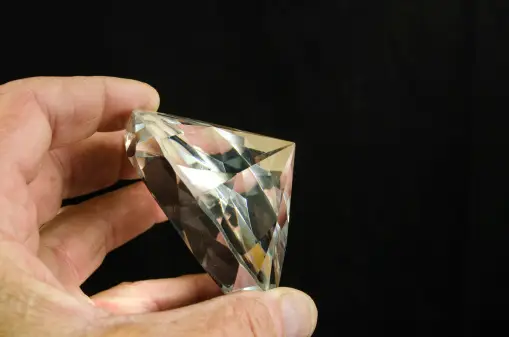
Shopping for a diamond involves a careful balance of financial planning and emotional significance, making it essential to find a trustworthy retail destination. Choosing where to purchase a genuine, high-quality gemstone can feel overwhelming given the vast array of online jewelers and traditional storefronts operating today. Rare Carat functions as a popular online diamond marketplace, connecting everyday buyers with independent wholesalers while offering comprehensive price comparison tools.
Introduction to Rare Carat and the Modern Diamond Market
The jewelry industry has transformed significantly with the rise of technology and transparent online aggregation platforms. Rare Carat bridges the gap between consumers and global diamond suppliers by pulling thousands of certified stone listings into a single, searchable dashboard. This setup allows shoppers to evaluate cut quality, carat weight, clarity, and pricing side by side without visiting multiple physical jewelry stores.
Why Choose Lab-Grown Diamonds? (Focusing on Size and 4-Carat Options)
Lab-grown stones have gained massive popularity because they replicate the physical and optical properties of mined diamonds at a fraction of the cost. These synthetic gems are cultivated in controlled environments that mimic the extreme geological pressure and temperature of the earth’s mantle. For buyers seeking a dramatic visual impact, a 4-carat lab-grown diamond offers impressive scale and brilliance without the six-figure price tag typically attached to natural stones of equivalent dimensions. Platforms like Rare Carat provide specialized filters to sort these large-format stones by exact table percentages, depth ratios, and independent lab certifications.
Decoding Diamond Color: The GIA Scale Explained
Color grading plays a fundamental role in determining how much light a diamond reflects and how valuable the stone appears on the open market. The Gemological Institute of America uses a standardized alphabetical scale running from D, representing completely colorless gems, all the way to Z, which exhibits noticeable yellow or brown hues.
| Color Tier | GIA Range | Visual Characteristics |
|---|---|---|
| Colorless | D – F | Exceptionally rare, transparent, and prized for pure white brilliance. |
| Near Colorless | G – J | Contains very subtle warmth that remains largely undetectable once set in jewelry. |
| Faint Tint | K – M | Displays visible warmth, offering significant cost savings for budget-focused buyers. |
| Light Tint | N – Z | Noticeably colored stones frequently selected for unique vintage ring designs. |
Is a J Color Diamond Right for You?
A J color diamond sits comfortably within the near-colorless bracket, delivering an attractive compromise between physical size and monetary investment. While a loose J color stone might display a faint warmth when placed face-down against a pure white background, smart setting choices and excellent cut proportions can easily mask these subtle undertones. Buyers can pair near-colorless stones with warm metal bands like yellow or rose gold to neutralize faint yellow hints, whereas platinum or white gold can occasionally accentuate the natural warmth of the diamond. Furthermore, ensuring that every purchase is backed by a recognized grading report from the Gemological Institute of America or the International Gemological Institute guarantees complete transparency regarding the stone’s actual quality.
The Rare Carat Advantage (and What to Watch Out For)
While aggregated marketplaces provide incredible pricing visibility and educational resources, understanding how third-party vendors operate is vital for a smooth transaction. Because Rare Carat lists inventory from numerous independent merchants, individual shipping timelines, return windows, and customer service policies can vary significantly from one seller to another. Reviewing specific vendor credentials and utilizing the platform’s neutral gemologist check services helps ensure that your diamond investment is fully protected. To learn more about platform features and vendor vetting, you can read our guide on what the rare carat shopping experience is like though before finalizing your order.
Frequently Asked Questions
Is Rare Carat a direct diamond jeweler?
No, Rare Carat functions as a marketplace aggregator that connects retail buyers with independent diamond wholesalers and jewelry manufacturers.
Do lab-grown diamonds possess the same durability as natural stones?
Yes, lab-grown diamonds share the exact same chemical composition, crystal structure, and hardness rating as mined diamonds.
What makes a D-color diamond unique?
A D-color grade signifies an entirely colorless diamond, placing it at the very top of the GIA color scale for purity and rarity.
How can I minimize visible color in a lower-tier diamond?
Selecting a yellow or rose gold setting helps absorb and neutralize faint warm undertones in near-colorless diamonds.
Are all diamonds listed on Rare Carat independently certified?
The vast majority of stones featured on the platform come with grading reports issued by reputable independent laboratories like the GIA or IGI.
Can shoppers compare competing vendor prices on Rare Carat?
Rare Carat provides robust comparison algorithms that let users evaluate pricing, cut quality, and clarity metrics across multiple suppliers instantly.
Do diamond prices on the marketplace fluctuate?
Diamond inventory and pricing change continuously based on global market conditions, supplier updates, and individual stone sales.
Platform Disclaimer
The details provided in this guide are intended for general informational use and should not replace professional financial or gemological advice. Diamond pricing, return policies, and inventory availability shift frequently across third-party networks. Readers should always verify final purchase terms and certification documents directly on official vendor channels before committing to any transaction.


