

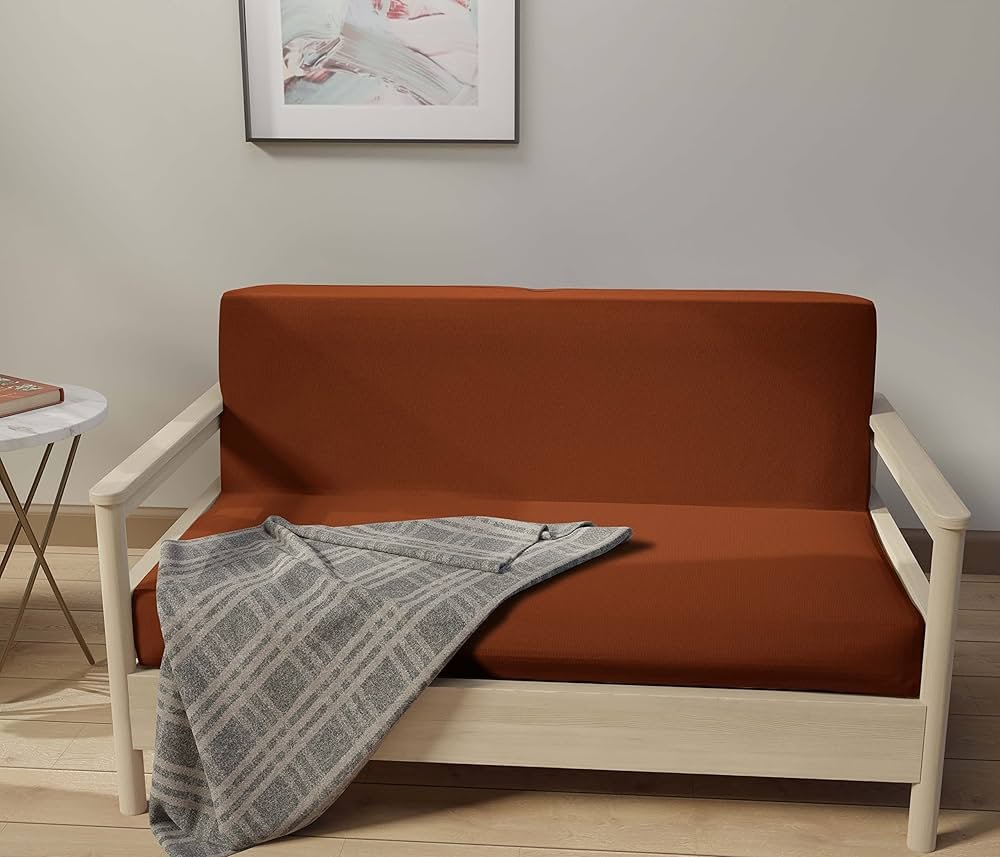
Are you tired of seeing the same decor over and over again? Do you want to refresh your interior with a breath of fresh air? Redecorating your home is an ambitious project that usually requires a significant budget. If your budget is limited, if you do not necessarily want to change your furniture, or simply do not want to commit to overly demanding renovation work, you should opt for a cover.
Changing the appearance of your furniture is an excellent way to give your space a new lease of life without the effort or expense needed to buy new furniture. This small adjustment can have a huge impact on the overall ambiance of your room. Covers are available for a wide variety of furniture, but in this article, we focus particularly on sofa covers and, more specifically, on the futon cover, which has become an increasingly popular option for those looking to balance comfort and style. This solution is especially useful if you want to refresh your living space without getting involved in a major renovation project. With the wide range of designs, fabrics, and colors available, there is always a way to update your interior without overhauling the entire decor.
Swapping Upholstery Versus Buying Brand-New Living Room Furniture
Choosing a tailored slipcover over an expensive sofa replacement allows you to achieve a complete home interior refresh without draining your savings account.
Purchasing brand-new couches or daybeds often requires substantial financial investment and complicated delivery logistics. In contrast, sliding a decorative textile barrier over your existing multi-use seating provides an immediate cosmetic overhaul. This approach masks stubborn stains, surface fading, and outdated patterns while preserving the sturdy wooden or metal frame underneath. Homeowners frequently use these textile updates to experiment with seasonal color palettes, swapping warm, textured wool blends for lightweight cotton varieties as the weather transitions.
Evaluating Fabric GSM Ratings and Daily Durability
Selecting the ideal textile involves matching material weight ratings and weave densities to your household foot traffic and pet activity.
Fabric density is typically measured in grams per square meter, commonly known as GSM, which dictates how well the material handles friction and repeated folding. Heavyweight cotton canvas and performance microfibers usually feature high GSM counts that resist claw snags and surface wear from children and pets. Meanwhile, delicate fabrics like pure linen or loose-knit velvet provide a softer tactile experience but require careful maintenance to prevent premature thinning in high-friction folding zones.
Mastering Mattress Thickness and Frame Mechanics
Accurate measurements across standard bi-fold and tri-fold mattress configurations ensure your protective slipcover fits snugly without restricting folding mechanisms.
Futon mattresses behave differently than traditional static sofa cushions because they must bend and compress during daily couch-to-bed conversions. Before purchasing an envelope-style protector, measure the overall length, width, and loft thickness while the mattress rests flat. To keep the fabric from bunching up inside metal or wooden frame tracks, pay close attention to the closure system. Below is a comparison of common fastening mechanisms designed to prevent slippage.
| Fastening System | Mechanism Design | Best Suited For |
|---|---|---|
| Elasticized Hem | Gathered elastic stitched tightly along the bottom perimeter | Standard bi-fold frames requiring fast, tool-free installation |
| Full Zipper Closure | Three-sided zipper that encases the entire mattress core | Active households needing maximum shift resistance |
| Wrap-Around Ties | Adjustable fabric ribbons knotted securely around frame slats | Custom or unique wooden daybed structures |
Balancing Solid Palettes and Geometric Prints in Interior Design
Harmonizing your textile pattern choices with existing architectural elements creates a cohesive and visually balanced living space.
Neutral color schemes involving slate gray, warm beige, or muted taupe act as versatile anchors for rooms featuring bold artwork or eclectic flooring. If your interior features minimalist white walls and neutral rugs, introducing a striking geometric or botanical print provides an energetic visual anchor. Layering these patterned textiles with solid throw pillows adds depth without cluttering the room’s overall aesthetic.
Preventing Shrinkage and Maintaining Textile Freshness
Adhering to strict washing temperatures and proper drying habits preserves fabric integrity and prevents irreversible shrinkage.
Most cotton blends and synthetic performance fabrics tolerate machine washing on delicate cycles when paired with cold water settings. High heat settings in standard dryers often warp elastic fibers and shrink cotton casings, making low-temperature tumble drying or line drying essential for long-term fit. Regular upholstery vacuum attachments also help eliminate trapped dust and pet dander between deep cleaning cycles.
Frequently Asked Questions
How do I measure my mattress correctly before buying a protective slipcover?
Measure the exact length, width, and depth of your futon mattress while it rests flat on the floor to guarantee that the fabric accommodates both seating and sleeping positions.
Can standard sofa slipcovers fit a folding futon mattress?
Standard sofa slipcovers rarely fit because futons lack traditional removable cushions and require flexible fabrics that stretch during folding conversions.
Are modern upholstery covers easy to remove for regular washing?
Most modern options feature three-sided zippers or elasticized borders that simplify the removal and reinstallation process for routine laundering.
What keeps a protective casing from sliding out of place during conversions?
Enclosing the mattress with a full zipper design or securing adjustable corner ties prevents the fabric from shifting when you fold the unit into a couch.
Do manufacturers offer waterproof materials for households with pets?
Many specialty brands incorporate laminated interior linings or fluid-resistant fabric treatments to protect against accidental spills and pet accidents.
Which textile weaves offer the best resistance against cat claws?
Tight-weave performance microfibers and heavy canvas textures resist claw punctures far better than loose decorative weaves like raw linen or chenille.
Disclaimer: Fabric specifications, sizing dimensions, and care guidelines can vary across different retail brands. Always verify product details directly with official manufacturer sources before making your final purchase.

Passionate content writer and savvy blog publisher, Aamir crafts compelling stories and insightful articles that captivate and inform. With a knack for blending creativity and strategy, they bring fresh perspectives to every piece. Dive into their world of words and discover content that resonates.


