

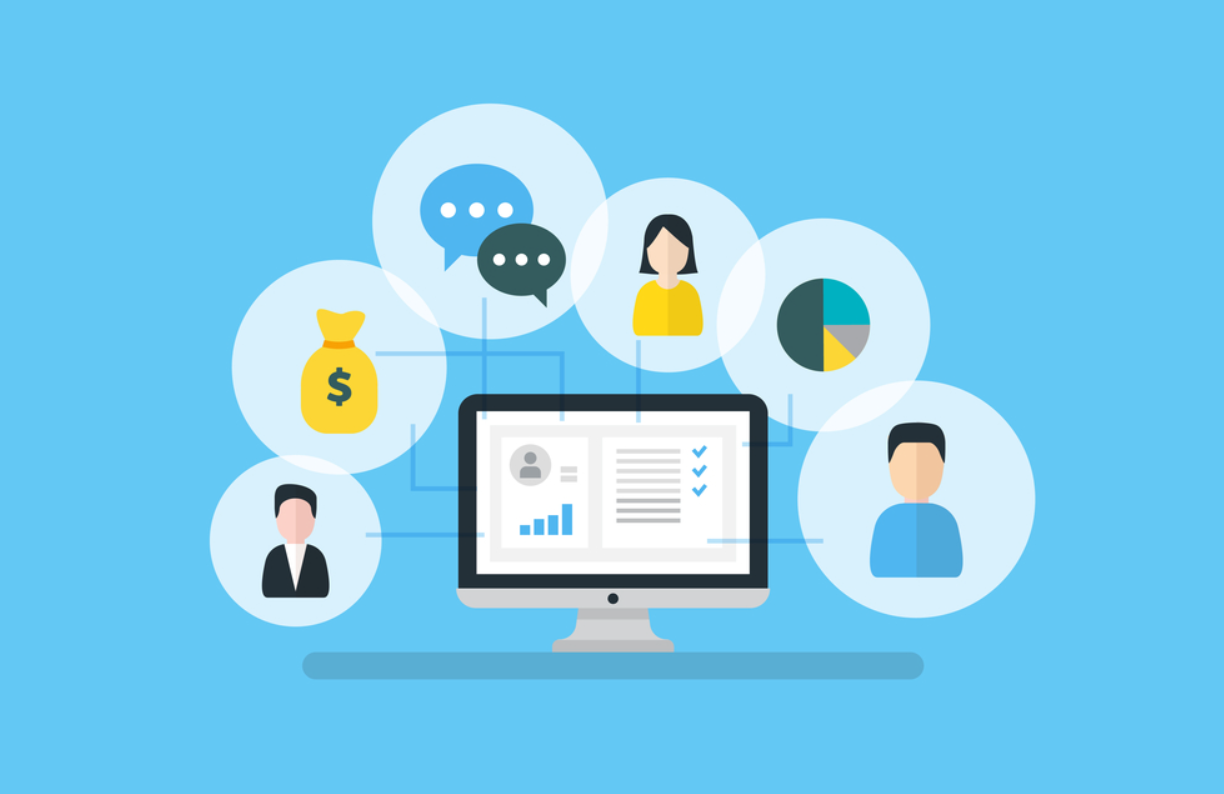
Customer relationship management software has evolved far beyond traditional sales pipelines to become a foundational operational platform for modern certified public accountants and financial advisory firms.
Why Accounting Practices Are Replacing Static Spreadsheets
Accounting firms are moving away from manual ledger books and disconnected spreadsheets because today’s corporate and individual tax clients expect immediate, advisory-focused communication rather than retroactive bookkeeping.
Managing a growing roster of tax preparation clients requires more than just balancing columns at year-end. Professionals need comprehensive visibility into every past interaction, phone call, and document submission. Customer relationship management tools give accounting teams a unified workspace where they can track communication histories, organize corporate structures, and handle client onboarding without digging through cluttered email folders. By consolidating these administrative workflows, firms eliminate communication bottlenecks and ensure that every client interaction feels informed, prompt, and personal.
How Practice-Specific Dashboards Handle Complex Tax Season Demands
Specialized accounting dashboards organize complex corporate filing requirements, automated task checklists, and document tracking into one centralized control center.
Tax season brings an immense influx of W-2s, 1099s, and corporate balance sheets that can easily overwhelm an unprepared firm. Utilizing a practice-tailored customer platform helps accountants monitor the exact status of tax returns, set automated billing prompts, and schedule recurring follow-up reminders. Internal team members can view shared notes on individual accounts instantly, ensuring smooth handoffs when multiple staff members contribute to a single audit or return preparation. This high level of structural organization prevents critical filing milestones from slipping through the cracks.
Bridging the Gap Between CRM Platforms and Ledger Software
Integrating a customer relationship management platform directly with general ledger accounting software creates a seamless two-way data flow that eliminates duplicate manual entry.
Modern accounting tech stacks rely heavily on APIs that connect tools like QuickBooks Online and Xero directly to client management databases. When an invoice is paid or a transaction is updated in the financial ledger, those updates reflect instantly in the client profile. This automated synchronization significantly reduces human error and gives accountants an immediate view of financial health alongside historical communications. Having all billing and contact details in one place allows professionals to deliver precise advice without jumping between multiple disconnected desktop applications.
Turning Transactional Data Into Proactive Financial Advisory
Built-in analytics and reporting features transform raw historical financial data into actionable insights that help firms shift from reactive bookkeeping to proactive business advisory.
Forward-thinking accountants analyze communication trends and spending habits to identify seasonal advisory opportunities long before tax deadlines approach. If reporting flags that a small business client regularly incurs penalties for late estimated tax payments, the accounting team can proactively suggest automated payment scheduling or milestone alerts. These data-driven observations demonstrate clear ongoing value to clients, turning standard tax preparation into high-value strategic consulting that builds long-term loyalty and recurring firm revenue.
Ensuring Strict Data Privacy and Secure Client Portals
Enterprise-grade security standards, role-based user permissions, and encrypted document portals are mandatory requirements when selecting a CRM for sensitive financial records.
Accounting firms handle highly confidential data, including employer identification numbers, social security records, and detailed corporate earnings statements. A reliable platform must offer SOC 2 compliance, multi-factor authentication, and secure client-facing portals where individuals can upload sensitive tax documents safely. These protective barriers ensure that confidential records remain fully shielded from unauthorized access while still providing an accessible, transparent environment for daily client collaboration.
For broader perspectives on managing digital client relationships and communication channels across different professional contexts, you can also explore how mastering customer engagement strategies across messaging apps helps organizations maintain high responsiveness.
Frequently Asked Questions
What is the primary purpose of a CRM in accounting?
The primary purpose of a CRM in accounting is to centralize client contact details, track communication histories, automate routine administrative duties, and improve overall client relationship management.
How does a CRM integrate with accounting software?
A CRM integrates with financial platforms like QuickBooks or Xero through API connections that sync client profiles, invoices, and transaction details automatically without manual re-entry.
Can accounting CRM systems help with deadline management?
Yes, most accounting CRM platforms feature automated task reminders, calendar syncing, and milestone tracking to ensure tax deadlines and financial reporting dates are never missed.
Are accounting CRM platforms secure for sensitive tax data?
Reputable accounting CRM tools offer enterprise-grade encryption, role-based user permissions, and secure client portals that comply with industry data privacy standards.
How do CRM analytics benefit advisory services?
CRM analytics help accountants identify client spending patterns and business trends, allowing them to offer targeted financial advice and proactive tax planning services.
Do small accounting firms need a dedicated CRM?
Even solo practitioners and small firms benefit from a CRM by saving hours on manual follow-ups, organizing client notes, and presenting a polished, professional client experience.
Disclaimer: Software features, integrations, and security standards can change over time. Accounting professionals should independently verify current technical specifications and compliance certifications directly with software vendors before adopting any new platform.

Passionate content writer and savvy blog publisher, Aamir crafts compelling stories and insightful articles that captivate and inform. With a knack for blending creativity and strategy, they bring fresh perspectives to every piece. Dive into their world of words and discover content that resonates.


