

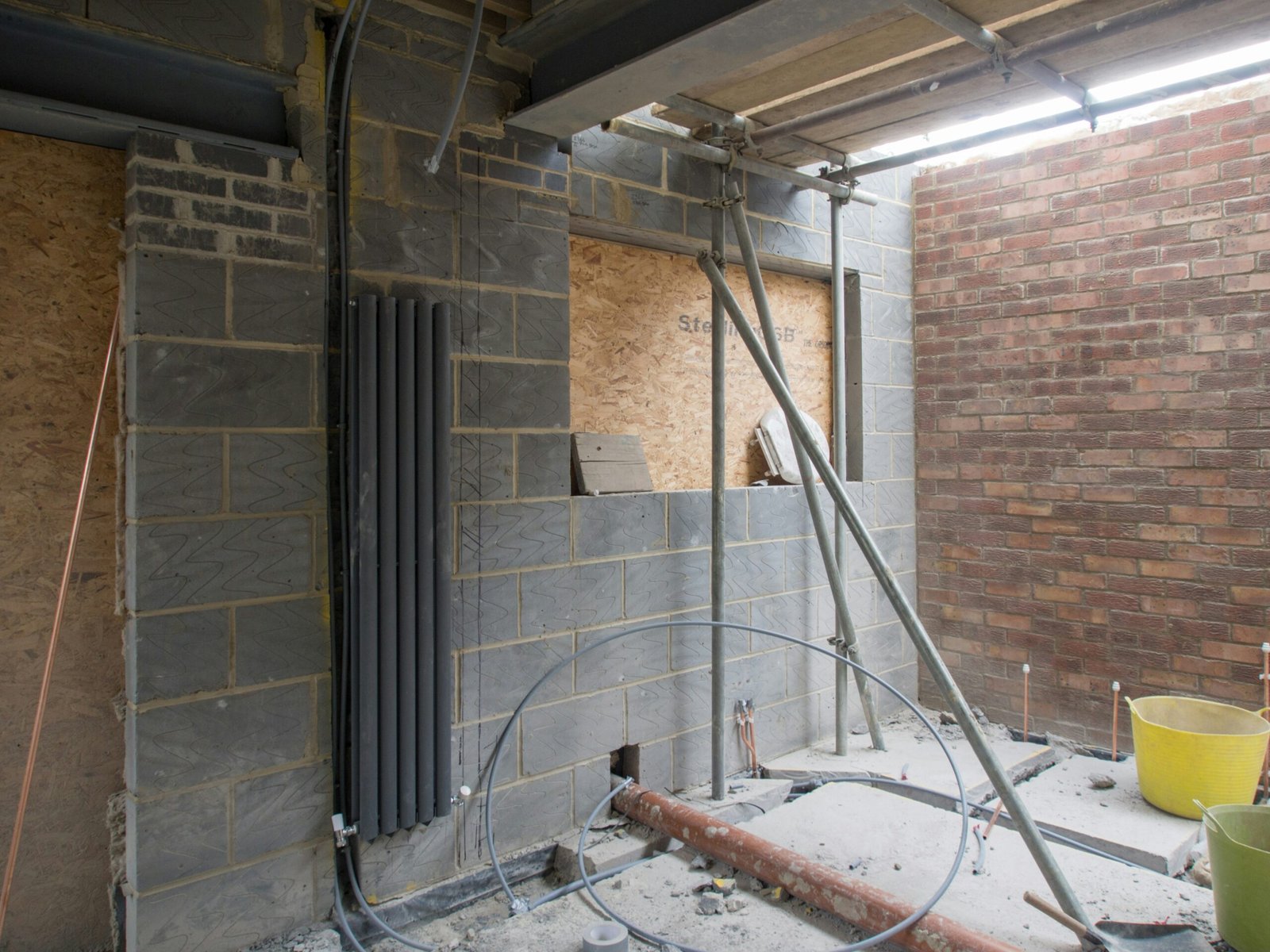
Photo by Brett Jordan on Unsplash
When managing a commercial facility, the infrastructure running behind the walls is often neglected until a sudden failure halts daily business operations. Property owners frequently treat plumbing as an afterthought, addressing leaks and clogs on an emergency basis rather than evaluating system wear as a whole. However, rising utility expenses, stringent environmental guidelines, and aging pipeline materials make reactive maintenance an expensive gamble. Recognizing the early red flags of a failing system allows operators to plan modernizations strategically without sacrificing tenant satisfaction or corporate productivity.
Evaluating the Financial and Operational Impact of Outdated Infrastructure
Modern commercial property management demands a shift from emergency patches toward planned capital investments that safeguard long-term building valuation.
As municipal water tariffs climb and commercial insurance providers tighten policy requirements around water damage mitigation, aging facility pipes create substantial financial liabilities. Legacy plumbing networks constructed from galvanized steel or early-generation plastics often suffer from mineral buildup, internal corrosion, and structural fatigue. These hidden vulnerabilities drive up monthly overhead while increasing the probability of catastrophic pipe ruptures that destroy inventory, damage electronics, and displace tenants. Upgrading commercial distribution lines and sanitation networks ensures compliance with current building codes while significantly reducing resource waste.
Detecting Hidden Drips and Chronic Utility Cost Surges
Persistent, minor water loss compounds silently over time, inflating monthly utility statements and fostering hazardous moisture accumulation within structural cavities.
In high-traffic commercial environments, constant water usage places extreme stress on pipe joints, valve packings, and fixture seals. When a slow leak develops behind drywall or beneath concrete subfloors, it often goes unnoticed until mold colonies establish or structural timber begins to rot. Rather than paying for repeated patchwork fixes on deteriorating joints, facility managers benefit from replacing entire pipe runs with resilient, modern materials like cross-linked polyethylene or heavy-duty copper. Modernizing these supply lines eliminates chronic waste and secures the physical integrity of the building.
Addressing Pressure Drops Across Multi-Story Facilities
Unpredictable water pressure fluctuations across upper floors or heavy-use zones signal internal pipe constriction or failing pressure regulation equipment.
Commercial spaces such as fitness centers, multi-tenant offices, food service establishments, and medical clinics depend on steady, reliable water delivery to function properly. When pressure drops dramatically during peak business hours, it usually points to advanced mineral scaling or severe internal corrosion narrowing the pathway inside older pipes. Installing modern distribution piping alongside upgraded pressure-reducing valves restores balanced flow rates throughout every level of the facility, ensuring uninterrupted service for clients and staff.
Mitigating Water Quality Warnings and Contamination Hazards
Taps dispensing discolored, rusty, or foul-smelling water indicate advanced pipeline oxidation or internal water heater tank degradation.
Brown or reddish tinting typically reveals that iron and rust are breaking free from aging metallic supply conduits, while sulfur-like odors suggest bacterial accumulation inside stagnant pipe segments or deteriorating storage boilers. For businesses operating in food preparation, hospitality, or healthcare sectors, compromised water quality presents severe health code violations and liability risks. Replacing corroded distribution networks and integrating commercial-grade filtration equipment protects public health and maintains strict regulatory compliance.
Overcoming Chronic Blockages and Main Sewer Line Failures
Recurring drain backups and sluggish waste removal indicate that grease accumulation, mineral scale, or structural pipe damage is obstructing the main sewer line.
Commercial kitchens and public washrooms endure heavy daily burdens of grease, soap residue, and debris that standard mechanical snaking can only temporarily alleviate. Over years of continuous operation, these materials coat pipe interiors or contribute to structural cracks and pipe collapses beneath the foundation slab. Upgrading the drainage architecture with modern trenchless repair methods and high-capacity waste lines clears chronic blockages permanently.
Modernizing Fixtures and Integrating Smart Water Management
Outdated plumbing hardware drives up utility consumption, while modern smart sensors and automated shut-off valves provide real-time protection against water loss.
Legacy toilets, manual flush valves, and aging commercial boilers lack the water efficiency required by modern corporate sustainability initiatives. Transitioning to touchless faucets, low-flow sanitation fixtures, and high-efficiency water heaters slashes operational overhead. Furthermore, integrating smart acoustic leak detectors and automatic shut-off systems allows facility managers to monitor flow anomalies continuously and cut off supply lines instantly before minor drips escalate into multi-story floods.
| Plumbing Warning Indicator | Primary Root Cause | Effective Modernization Strategy |
|---|---|---|
| Persistent Dripping Leaks | Worn valve seals, aging pipe joints | Install durable copper or PEX fittings |
| Unstable Water Pressure | Mineral scaling, pipe corrosion | Replace galvanized steel lines, install regulators |
| Rusty or Discolored Water | Internal oxidation, tank decay | Full distribution network and boiler replacement |
| Unexplained Pipe Noises | Water hammer, loose mounts, high pressure | Install arrestors and secure pipe anchors |
Recognizing Structural Damage and Unexplained Pipe Acoustics
Damp patches on ceilings, localized mold growth, and loud banging or gurgling sounds inside walls signal that hidden plumbing infrastructure is failing.
Water stains and musty odors serve as visible symptoms of slow, concealed leaks within ceiling plenums or wall cavities. Additionally, loud acoustic noises during water flow point to pressure imbalances, trapped air pockets, or loose pipe hangers that threaten system longevity. Ignoring these warning signs allows structural framing to decay, eventually forcing costly remediation alongside emergency plumbing overhauls. Property managers should evaluate structural assets and consider maintenance protocols similar to those required when building owners ensure that commercial elevator needs repairs managed with equal diligence.
Determining the Transition Point From Repairs to Full Overhauls
Calculating the cumulative expense of repeated emergency service calls often demonstrates that a comprehensive plumbing overhaul is the more economical financial decision.
Band-aid repairs and patched pipe sections offer only temporary relief when an entire commercial plumbing network has surpassed its design lifespan. When monthly maintenance invoices accumulate rapidly, sinking capital into an aging system wastes valuable financial resources. Upgrading the core plumbing network eliminates chronic repair cycles, reduces operational downtime, and provides predictable reliability for years to come.
Partnering With Qualified Commercial Plumbers
Collaborating with experienced commercial plumbing contractors ensures that system evaluations and replacement projects adhere strictly to regional building codes.
Commercial plumbing architecture involves complex multi-story water distribution, heavy grease management, and stringent public health regulations. Qualified plumbing specialists utilize advanced diagnostic tools, including high-resolution sewer cameras and hydrostatic pressure testing equipment, to evaluate hidden vulnerabilities accurately. For facilities located in major metropolitan areas such as Toronto, specialized regional contractors like New Canadian Drain and Plumbing navigate local municipal requirements and seasonal winterization demands effectively.
Frequently Asked Questions About Commercial Plumbing Upgrades
How do I know if my commercial property needs a full plumbing upgrade rather than a simple repair?
If your building experiences frequent recurring leaks, widespread low pressure, discolored water, or requires constant plumbing service calls, a comprehensive upgrade is usually more cost-effective than ongoing patch repairs.
What are the primary benefits of upgrading commercial plumbing fixtures?
Upgrading fixtures reduces water utility bills, minimizes unexpected maintenance emergencies, improves water quality, and helps your facility meet modern environmental and sustainability standards.
Will a commercial plumbing upgrade disrupt daily business operations?
Experienced commercial plumbing contractors work with facility managers to schedule major upgrade work during off-hours or phased intervals, keeping operational downtime to an absolute minimum.
How long do commercial plumbing systems typically last before needing replacement?
Traditional galvanized steel pipes often require replacement after 40 to 50 years, while modern materials like copper and PEX can last several decades longer when properly maintained.
Can smart plumbing technology prevent major water damage in commercial buildings?
Yes, smart leak detectors and automatic water shut-off valves monitor flow anomalies continuously and shut off valves instantly to prevent catastrophic flooding.
What should I look for when hiring a commercial plumbing contractor?
Look for licensed, insured plumbing companies with proven commercial experience, transparent pricing, advanced diagnostic equipment, and positive local reviews.
Disclaimer: Plumbing infrastructure conditions vary greatly between individual buildings. Property owners should consult licensed local plumbing professionals to conduct a thorough on-site inspection and verify specific regulatory requirements before initiating major system upgrades.


