

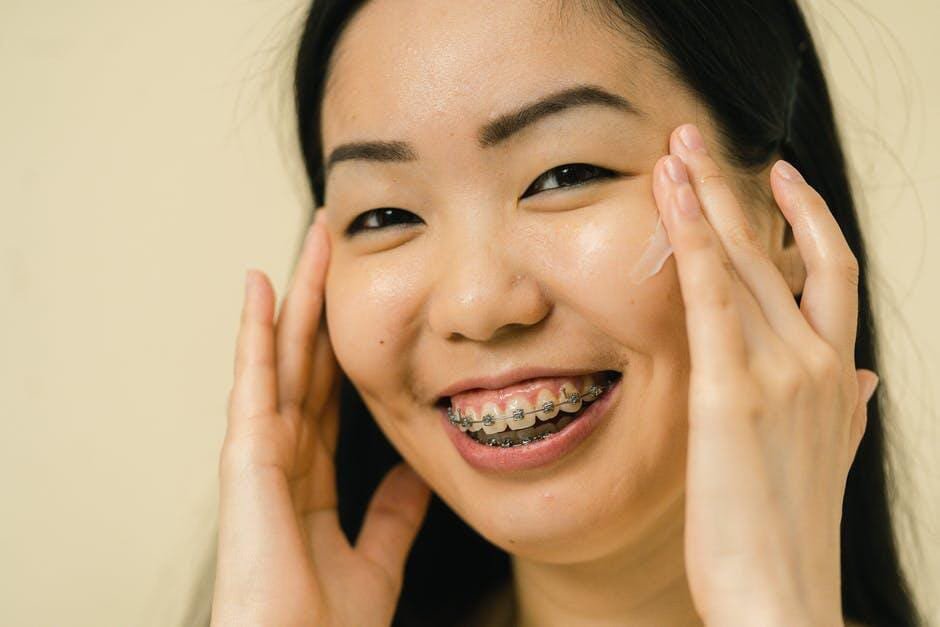
Are you struggling with an underbite or dealing with bite alignment issues that impact your daily life? Choosing the right treatment can change your dental health for the better, and traditional dental appliances remain a proven solution. Braces for underbite issues offer multiple clinical advantages that make them a reliable choice for complex corrections.
Dental braces are effective and reliable for shifting teeth into proper alignment. Traditional appliances help correct your bite, improve your smile, and boost your confidence over the course of treatment. Modern orthodontic technology also makes these devices more comfortable than ever before.
With so many structural advantages, braces for underbites stand out over other treatment options like removable aligners. Discover why fixed orthodontic appliances remain the smart choice for achieving lasting dental health.
Understanding Underbites: Dental vs. Skeletal Misalignment
An underbite occurs when the lower front teeth extend past the upper front teeth, creating an inverted bite pattern.
Orthodontists generally divide underbites into two main categories: dental underbites and skeletal underbites. A dental underbite involves teeth that are tipped or positioned incorrectly while the jawbones are properly aligned. A skeletal underbite involves a lower jaw that grows larger than the upper jaw or an upper jaw that is underdeveloped.
Understanding this distinction matters because it dictates the chosen treatment path. While dental underbites respond exceptionally well to standard orthodontic mechanisms, skeletal underbites in growing children may require specialized appliances like expanders. Severe skeletal discrepancies in adults might even necessitate a combination of orthodontics and corrective jaw surgery. Patients navigating these significant physical changes often compare structural dental solutions with other specialized physical restoration approaches, much like individuals who review comprehensive pain relief strategies when addressing chronic bodily discomfort.
Why Braces Excel at Underbite Correction Compared to Alternatives
Fixed orthodontic appliances provide continuous, predictable pressure that removable plastic trays struggle to replicate during complex bite shifts.
When correcting an underbite, orthodontists must often move entire groups of teeth in opposite directions simultaneously. Fixed brackets and wires give the clinician absolute mechanical control over every individual tooth. This precise control allows for vertical, horizontal, and rotational adjustments that remain active twenty-four hours a day.
In contrast, removable clear aligners depend heavily on patient compliance. If a patient leaves their trays out for too long, teeth can relapse mid-treatment. Braces eliminate compliance risks because they are permanently bonded to the teeth until the orthodontist removes them.
Types of Braces Used for Underbite Treatment Today
Patients have access to several aesthetic and functional styles of braces tailored to their personal preferences and clinical needs.
Traditional metal braces utilize stainless steel brackets and wires, offering maximum durability and efficient force application for tough bite corrections. Ceramic braces function similarly to metal braces but use tooth-colored or clear ceramic brackets that blend in more naturally with natural teeth, appealing to adults and teens who want a subtler look. Lingual braces are another specialized option placed behind the teeth rather than on the front surface, keeping them completely hidden from view during conversation.
Selecting the right type depends on your budget, aesthetic goals, and the severity of the underbite. Your orthodontist will evaluate your bite structure to recommend the most efficient appliance style.
The Treatment Process: What to Expect from Consultation to Retainers
The journey of correcting an underbite with braces follows a structured clinical timeline divided into distinct phases.
The process begins with an initial consultation, digital scans, and X-rays to map out your specific jaw structure. Once the braces are bonded, the first phase focuses on leveling and aligning crowded or rotated teeth. As treatment progresses, orthodontists introduce intermaxillary elastics, commonly known as rubber bands, which connect the upper and lower arches.
These rubber bands apply the exact directional force required to shift the relationship between the upper and lower jaws. The final phase involves minor detailing and bite settling before the braces are removed and custom retainers are fitted to lock your new smile in place.
Health and Functional Benefits Beyond a Straight Smile
Correcting an underbite improves overall oral health by eliminating abnormal wear patterns on tooth enamel.
When lower front teeth grind directly against upper front teeth, it causes premature enamel erosion, chipping, and heightened tooth sensitivity. Realigning the bite distributes chewing forces evenly across all dental surfaces. Furthermore, proper jaw alignment helps alleviate stress on the temporomandibular joints, reducing chronic jaw pain, clicking sounds, and tension headaches associated with bite dysfunction.
Properly aligned teeth also make daily oral hygiene significantly easier. Once crowding and overlapping are resolved, brushing and flossing become much simpler tasks, lowering your risk of gum disease and tooth decay.
Managing Comfort, Eating, and Daily Oral Hygiene
Living with braces requires some minor adjustments to your daily routine, particularly during the first few weeks following adjustments.
Initial soreness is normal after getting braces placed or tightened, but soft foods and over-the-counter pain relievers help manage discomfort. Patients must avoid hard, sticky, or chewy foods like popcorn, chewing gum, and whole apples to prevent bracket breakage. Maintaining oral hygiene requires specialized tools like floss threaders or water flossers to clean underneath the archwires effectively.
Adhering to these maintenance steps ensures your treatment stays on schedule without unexpected emergency visits to your orthodontist.
Frequently Asked Questions
How long do braces for an underbite typically take to work?
Treatment duration varies based on the severity of the misalignment, but most patients wear braces anywhere from eighteen months to three years.
Are braces painful when correcting an underbite?
You may experience mild soreness for a few days after initial placement and periodic wire adjustments, but this discomfort subsides quickly.
Can adults get braces for an underbite?
Yes, adults achieve successful underbite correction with braces, though treatment may take slightly longer than in growing adolescents due to fully developed jawbones.
What is the role of rubber bands in underbite treatment?
Rubber bands attach between the upper and lower braces to apply the specific inter-arch forces needed to reposition the lower jaw relative to the upper jaw.
Can an underbite be fixed without braces or surgery?
Mild dental underbites sometimes respond to clear aligners, but moderate to severe skeletal underbites require fixed braces or combined surgical intervention.
What happens after my braces are removed?
Your orthodontist will fit you for custom retainers, which you must wear consistently to prevent your teeth from shifting back toward their original positions.
Choosing braces for an underbite offers unmatched mechanical precision, long-lasting health benefits, and professional supervision throughout your orthodontic journey. If you are ready to evaluate your treatment options, consult a qualified orthodontist to discuss a personalized plan that fits your dental needs. Details and timelines may vary depending on individual clinical assessments, so always verify final recommendations with your dental professional.

About UBAID IDREES
Hi, I’m UBAID IDREES, A Guest Blogger and Niche Relevent Outreach Expert with over 6 years of experience. I specialize in helping businesses improve their online visibility and ranking on search engines by providing high-quality guest posting and link-building services.
YOU CAN CONTACT HIM ON
EMAIL
INFO.KIMBERLYARLETH@GMAIL.COM


