

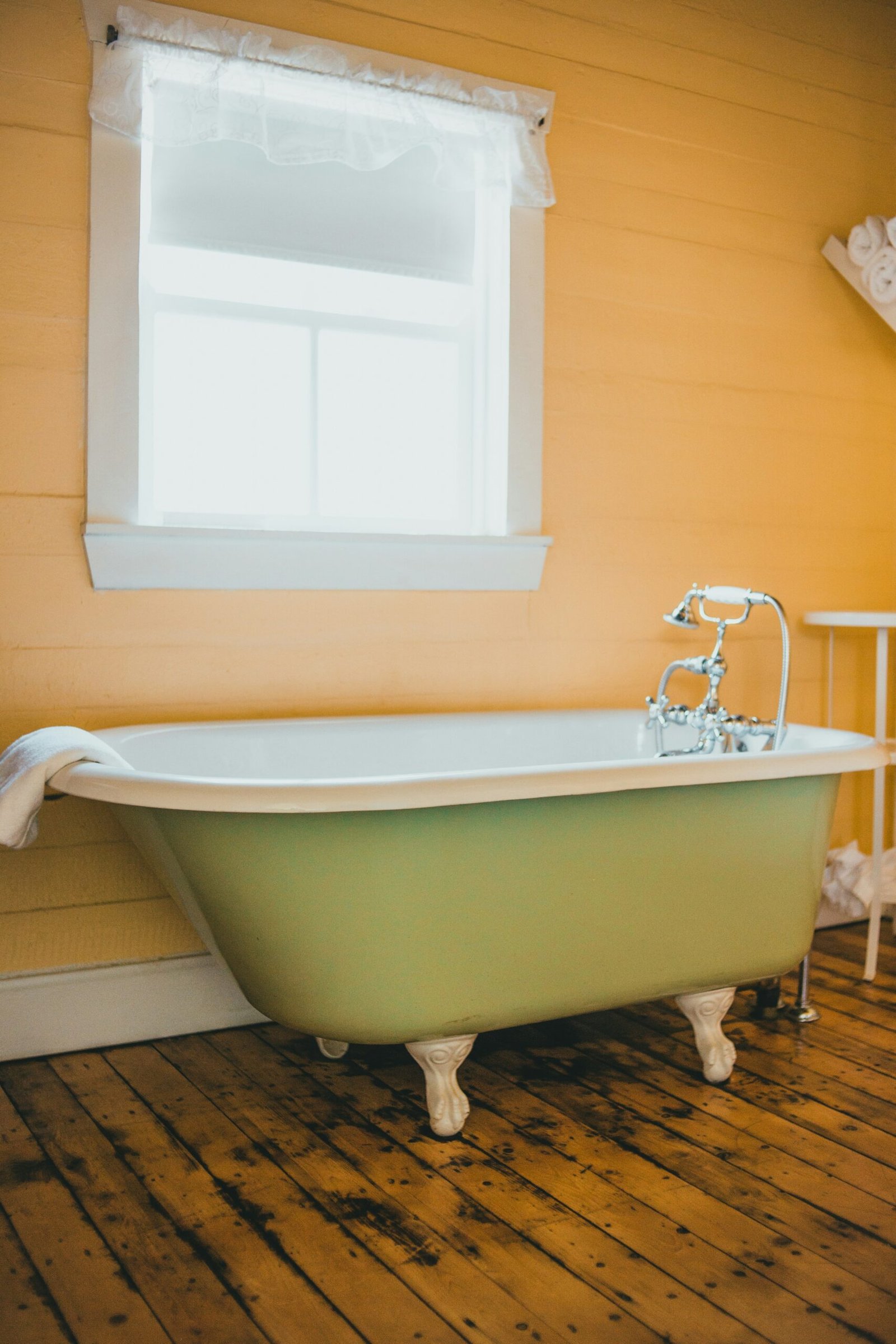
Photo by Erik Mclean on Unsplash
Balancing busy work schedules and lively children leaves very little room for quiet, distraction-free family time during the week. When evenings are consumed by homework, sports practices, and glowing digital screens, parents often look for simple ways to reconnect with their kids in a calm setting. Immersing yourselves together in warm water offers an easy escape from daily chores, creating a cozy environment where families can unwind side by side. The gentle bubbling water and soothing warmth provide a comfortable space that naturally encourages relaxed conversations and shared laughter.
Whether you are spending a quiet weekend afternoon floating or chatting under the evening stars, bringing warm water sessions into your routine helps strengthen family relationships. Beyond just feeling good, this practice offers real physical and mental relief for adults carrying daily stress and kids navigating hectic school days. Understanding how to manage water safety makes sure every family soak remains a peaceful, restorative, and memorable experience.
Why Family Hot Tub Time Creates Space for Real Connection
Sharing a warm soak gives parents and children a quiet, screen-free space to talk and connect away from household distractions.
Sitting face-to-face in a bubbling spa removes the physical barriers and visual distractions that often get in the way of meaningful conversation. Children often feel much more relaxed and comfortable sharing stories about their friends, school projects, or little worries when they are side-by-side with mom or dad. This relaxed setting helps lower emotional walls, inviting natural chats that build long-term trust and mutual understanding.
Creating these shared evening memories helps children feel valued and supported as they grow older. Much like establishing proper care routines for kids requires daily consistency to safeguard lifelong health, nurturing family communication through dedicated wellness habits builds strong relational bonds.
Essential Safety Guidelines for Parents and Kids
Keeping water temperatures moderate and limiting session times are absolute necessities to protect young children from overheating.
Standard adult spas are often kept at one hundred and four degrees Fahrenheit, which is much too hot for developing bodies that cannot regulate core temperature easily. Pediatric safety guidelines recommend turning residential spa temperatures down to between ninety-five and ninety-eight degrees Fahrenheit whenever young children are joining in. Because children absorb heat much faster than adults, spending too much time in high heat can quickly lead to dizziness or discomfort.
Parents should always limit individual soaking intervals for little ones to ten or fifteen minutes before guiding them out for a cool-down break. Having cool drinking water nearby prevents dehydration, and constant adult supervision ensures that any signs of fatigue are noticed right away.
How Gentle Warmth Helps Both Adults and Children Unwind
The gentle warmth of the water provides immediate muscular relief for hardworking parents and energetic kids alike.
Adults burdened by hours of desk work or heavy lifting find that hydrotherapy jets effectively target tight back muscles and soothe aching joints. The natural buoyancy of water reduces pressure on the spine, offering a fast transition from workday stress to evening calm. Children also accumulate physical tiredness from running across school yards, carrying heavy backpacks, and participating in afternoon sports.
The soothing heat helps relax growing limbs and calms an active mind after a long day. This physical decompression naturally leads into smoother bedtime routines and a deeper, more restful night of sleep for the entire household.
Simple Ways to Build a Family Soaking Routine
Establishing a predictable family soaking routine helps parents fit relaxation into busy weekly schedules without feeling rushed.
Choosing one or two calm evenings for a shared soak gives children a fun, screen-free activity to look forward to once homework is finished. Keep the atmosphere pressure-free by avoiding rigid schedules, allowing soft lighting, quiet music, or stargazing to set the mood. Always check the water temperature with a reliable thermometer ahead of time, lay out fresh towels, and transition smoothly from the water into bedtime preparations. Cultivating these mindful habits turns ordinary evenings into cherished household traditions.
How does warm water affect children differently than adults in a hot tub?
Children have a higher surface-area-to-mass ratio and less efficient thermoregulation, which means their bodies absorb heat much faster than adult bodies.
What is the recommended safe water temperature for children in a hot tub?
Pediatric safety guidelines suggest maintaining water temperatures between ninety-five and ninety-eight degrees Fahrenheit when children are participating.
How long should a child stay in a hot tub during a single session?
Children should limit their soaking time to short intervals of ten to fifteen minutes before taking a cool-down break.
Can hot tub soaking help children sleep better at night?
The gentle relaxation of warm water helps calm an active nervous system, making it easier for children to wind down for bedtime.
What are the primary mental benefits of family hot tub time?
Family hot tub sessions provide a screen-free environment that encourages open communication, trust, and stress relief for both parents and kids.
Why is adult supervision crucial during family hot tub sessions?
Active adult supervision is essential to monitor children for signs of overheating, dehydration, or slipping near the water area.
Disclaimer: This article is for informational purposes only and does not replace professional medical or pediatric guidance. Hot tub safety limits can vary based on individual health needs, so readers should always verify guidelines with official sources and healthcare providers before allowing children to use spa systems.


