

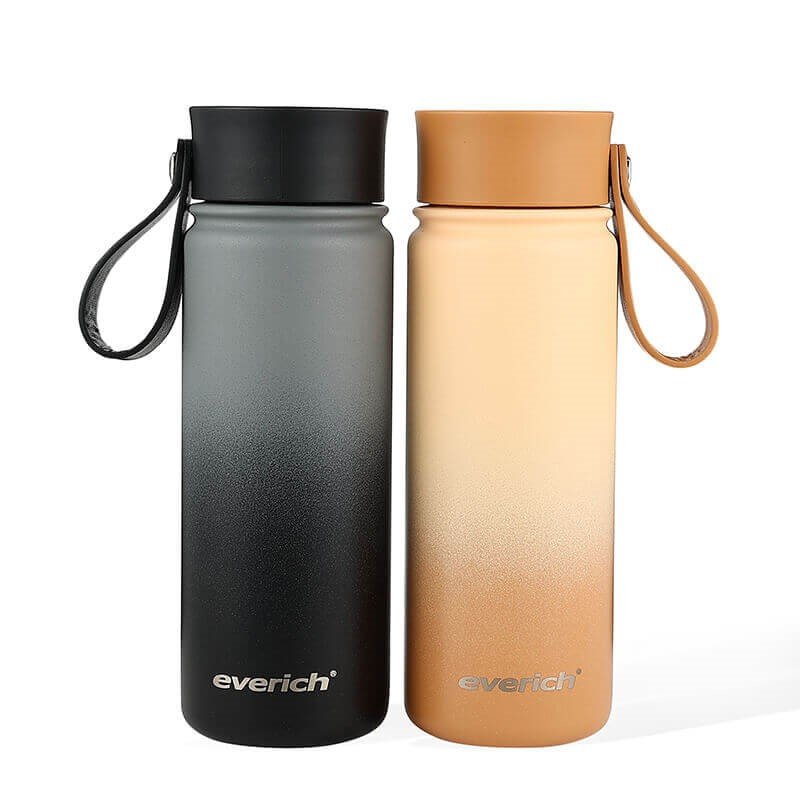
Maintaining proper hydration throughout daily routines requires more than simply carrying liquid; it demands temperature control that withstands shifting environments. Whether commuting through summer heat or working in climate-controlled offices, standard single-wall containers fail to keep beverages cold or hot for long. An insulated water bottle overcomes this thermal challenge by using advanced vacuum engineering to isolate liquids from external temperatures. Understanding the inner mechanics, material construction, and modern design features ensures you select a container that performs reliably day after day.
The Physics of Thermal Retention in Double-Wall Vessels
An insulated water bottle achieves its temperature-locking performance through a specialized dual-walled barrier that completely eliminates thermal conduction and convection.
Thermal energy naturally moves from warm areas to cool areas via three methods: conduction, convection, and radiation. A standard single-wall vessel allows heat to pass straight through the metal shell. In contrast, an insulated water bottle features an inner chamber separated from an outer shell by a narrow air gap from which all gas molecules have been extracted. Because conduction and convection require physical matter to transfer heat, the vacuum layer acts as an impenetrable thermal barrier. Manufacturers often add a microscopic copper or reflective metallic coating to the outer wall of the inner chamber to bounce radiant heat away. This complex engineering allows ice cubes to remain solid for up to twenty-four hours while piping-hot beverages retain their steam for up to twelve hours.
Evaluating Stainless Steel and Glass Build Qualities
Choosing the right material for your container involves balancing rugged durability against absolute taste neutrality.
Stainless steel is the undisputed heavyweight champion of the market due to its incredible resistance to drops, dents, and heavy impacts. Food-grade stainless steel does not absorb lingering flavors from acidic juices or coffee, though it requires regular washing to prevent mineral films from forming. Glass-insulated containers offer a completely inert interior surface that guarantees pure, unaltered flavor delivery with zero metallic aftertaste. However, glass is inherently heavier and susceptible to catastrophic shattering if dropped on concrete or tile surfaces. Deciding between these two options depends entirely on whether your daily routine prioritizes bulletproof toughness or uncompromising taste purity.
| Material Type | Impact Resistance | Flavor Neutrality | Average Weight |
|---|---|---|---|
| Stainless Steel | High | Good | Moderate |
| Borosilicate Glass | Low | Absolute | Heavy |
Navigating Modern Lid Mechanics and Exterior Finishes
The utility of a thermal container is heavily defined by how its cap operates and how its exterior surface handles real-world friction.
Lid engineering has evolved far beyond basic twist-off caps to accommodate specific drinking preferences. Chug lids deliver a high volume of water quickly during intense athletic workouts, while straw lids let drivers sip safely without tilting their heads back. Wide-mouth openings make adding large ice cubes effortless and simplify deep interior scrubbing. On the outside, textured powder-coated finishes replace smooth, slick painted metal to provide a secure grip for sweaty or gloved hands. Furthermore, checking base diameters ensures the vessel slips smoothly into automobile cup holders and backpack side sleeves without jamming.
Matching Vessel Capacity to Daily Hydration Demands
Selecting the correct fluid volume prevents the frustration of constant refills or the unnecessary burden of carrying extra weight.
Compact vessels holding 12 to 16 ounces easily slide into small purses, children’s lunchboxes, or brief errands bags. Medium capacities ranging from 20 to 24 ounces serve as versatile daily drivers that fit standard vehicle cup holders and support routine office hours. Large capacities spanning 32 to 40 ounces cater to outdoor hikers, construction workers, and gym enthusiasts who spend hours away from a tap. Balancing physical weight against fluid volume is crucial because a fully loaded 40-ounce metal container adds substantial heft to any carrying strap or backpack.
For individuals looking to expand their knowledge on navigating digital hurdles and problem-solving platforms, you can check out our guide on effective digital error solving sites.
Frequently Asked Questions
Can carbonated sodas be stored inside a vacuum-insulated container?
Yes, but carbonation creates internal pressure that can cause liquid to spray out forcefully when the cap is unscrewed.
How can I eliminate stubborn coffee stains and odors from stainless steel?
Soaking the interior overnight in a mixture of warm water, baking soda, and white vinegar quickly lifts residue and neutralizes smells.
Are insulated metal bottles safe to run through the dishwasher?
Many models are labeled dishwasher safe, but hand washing helps protect the exterior powder coating from fading or chipping over time.
What causes a metallic taste to develop inside a metal container?
A metallic taste usually stems from dried mineral deposits or acidic beverage residues left sitting on the interior walls.
Does the vacuum seal inside a double-wall bottle ever expire?
The vacuum layer lasts indefinitely unless a heavy drop punctures the outer wall, which breaks the seal and destroys thermal performance.
Is it acceptable to put hot soup or tea into a cold-rated bottle?
Yes, double-wall insulation regulates temperature equally well in both directions, keeping hot liquids steaming for hours.
Disclaimer: Specifications, material compositions, and performance metrics can vary across manufacturers. Readers should verify final product details directly from official brand sources before making purchasing decisions.

Passionate content writer and savvy blog publisher, Aamir crafts compelling stories and insightful articles that captivate and inform. With a knack for blending creativity and strategy, they bring fresh perspectives to every piece. Dive into their world of words and discover content that resonates.


