

Radiofrequency treatments have transformed modern aesthetic care by offering non-surgical skin tightening through controlled thermal energy. When looking into these procedures, understanding the financial commitment is essential for making an informed choice between professional medical spas and personal consumer devices.
Choosing between clinical procedures and buying a personal gadget comes down to balancing your aesthetic goals, your patience for results, and your overall budget. While professional sessions utilize high-powered medical devices managed by trained technicians, at-home machines offer long-term convenience at a fraction of the per-session price.
Understanding Radiofrequency Skin Tightening Today
Radiofrequency skin tightening works by delivering electromagnetic waves deep into the dermal layers to stimulate natural collagen and elastin production. Modern beauty trends increasingly favor non-surgical treatments that require little to no recovery time compared to traditional invasive surgeries. Evaluating the financial aspect means looking past the initial price tag to understand session requirements, equipment safety, and expected longevity of results.
In-Clinic RF Treatments: Costs, Breakdown, and Variables
The cost of professional in-clinic radiofrequency sessions is determined by several clinical and geographic variables that impact the total investment. Prices vary widely based on where you live, the expertise of the practitioner performing the procedure, and the exact machinery utilized during your visit.
- Clinic location: Urban medical spas and dermatology practices in major metropolitan areas charge higher overhead fees than clinics in smaller towns.
- Experience of the provider: Board-certified dermatologists or master aestheticians command higher consultation and treatment fees due to their specialized training.
- Type of RF technology: Advanced fractional or microneedling radiofrequency systems cost more per visit than standard non-invasive thermal wands.
- Number of sessions: Most patients require an initial series of three to six treatments to achieve noticeable tightening.
- Additional services: Clinics often bundle complementary therapies such as specialized serums or soothing facials into your treatment package.
Types of In-Clinic Technologies and Expected Pricing
Professional radiofrequency procedures are categorized into distinct technological tiers that directly dictate the pricing structure. Selecting the right clinical approach depends on whether you are targeting fine lines on the face or loose skin on larger body contours.
| Treatment Technology | Primary Target Area | Average Cost Per Session |
|---|---|---|
| Non-Invasive RF | Face, neck, and jawline | $200 – $600 |
| Fractional / Microneedling RF | Deep wrinkles, scars, and texture | $500 – $1,500 |
| Subdermal Body RF | Abdomen, thighs, and buttocks | $800 – $2,500 |
At-Home RF Machines: Upfront Costs and Device Tiers
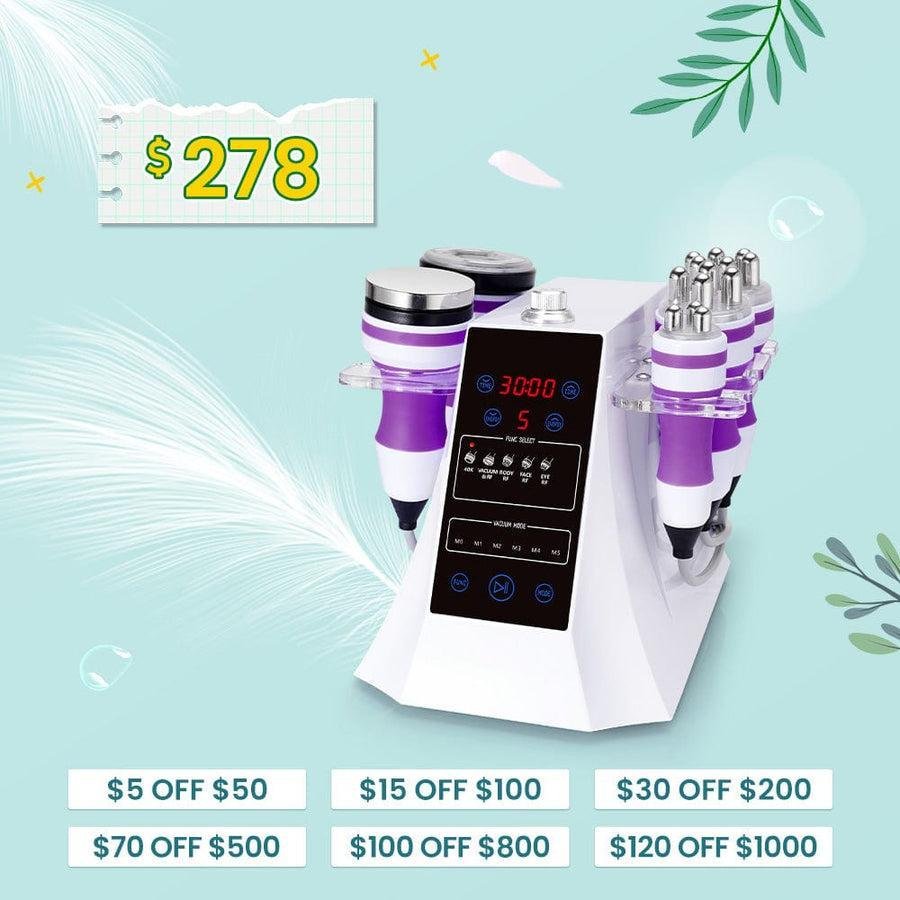
Consumer-grade radiofrequency devices require a single upfront investment with zero recurring per-visit fees, though their power output is strictly capped for safety. At-home gadgets range from basic thermal wands to advanced multi-technology systems combining LED light therapy and microcurrent features.
- Budget-friendly options ($200 to $500): These entry-level tools offer lower energy output and require frequent, disciplined weekly sessions to maintain gradual changes.
- Mid-range devices ($500 to $1,000): These machines often feature multi-polar radiofrequency technology paired with sonic vibration or red light therapy for enhanced home routines.
- High-end consumer models ($1,000 and above): Premium home systems mirror professional design elements and promise salon-quality structural upkeep without clinic visits.
For readers interested in organizing their living spaces while managing personal care routines, exploring options like the top four perfect home additions for every urban house can help create an ideal wellness corner.
Total Cost Over Time: In-Clinic vs. At-Home Comparison
Calculating the true cost of ownership over a multi-year timeline reveals distinct financial trade-offs between professional clinic visits and personal gadgets. While professional packages demand high upfront spending for rapid transformations, home devices require consistent maintenance upkeep and replacement conductive gels over time.
Clinical paths often conclude an intensive initial package followed by semi-annual touch-ups, keeping yearly professional upkeep predictable. Conversely, personal machines eliminate per-session fees but carry hidden operational expenses like specialized conductive gels, battery replacements, and occasional device upgrades when hardware wears out.
Professional Expertise, Safety, and Results
Clinical oversight guarantees that your skin receives an accurate diagnostic evaluation and precise energy levels tailored to your unique dermal thickness. Trained practitioners minimize rare complications like skin burns or pigment changes by monitoring epidermal temperature in real time during every single treatment pass.
At-home users must strictly follow manufacturer safety manuals to avoid irritation, as consumer devices lack real-time thermal feedback sensors. Both routes share minor temporary side effects such as mild redness, transient swelling, and temporary skin dryness that typically resolve within a couple of days.
Frequently Asked Questions
How many in-clinic radiofrequency sessions are typically needed for visible skin tightening?
Most patients achieve optimal collagen stimulation and tightening results after a series of three to six initial sessions spaced a few weeks apart.
Do at-home radiofrequency machines work as well as professional clinic devices?
At-home devices use lower energy frequencies for safety reasons, meaning they deliver more subtle, gradual improvements compared to high-powered clinical equipment.
Is radiofrequency skin tightening painful?
Treatments generally produce a warm, comfortable sensation over the skin, though fractional microneedling versions may cause mild discomfort managed with topical numbing cream.
How long do the anti-aging results of radiofrequency treatments last?
Results can last anywhere from one to two years depending on your natural aging process, lifestyle habits, and adherence to maintenance touch-up sessions.
Are there any downtime restrictions after getting an in-clinic RF procedure?
Non-invasive sessions require virtually zero downtime, allowing you to return to normal daily activities immediately with mild redness fading quickly.
What additional recurring costs come with owning an at-home RF machine?
Owners must regularly purchase specialized conductive gels or serums required for device gliding and proper energy transfer across the skin surface.
Can radiofrequency treatments be combined with other cosmetic procedures?
Clinics frequently pair radiofrequency sessions with complementary treatments like chemical peels or injectables, though you should consult a specialist for a personalized plan.
Disclaimer: Aesthetic pricing and device specifications change over time based on market shifts and manufacturer updates. Readers should always verify current rates, consult certified dermatologists, and review official guidelines before committing to any skin tightening procedure or device purchase.


