

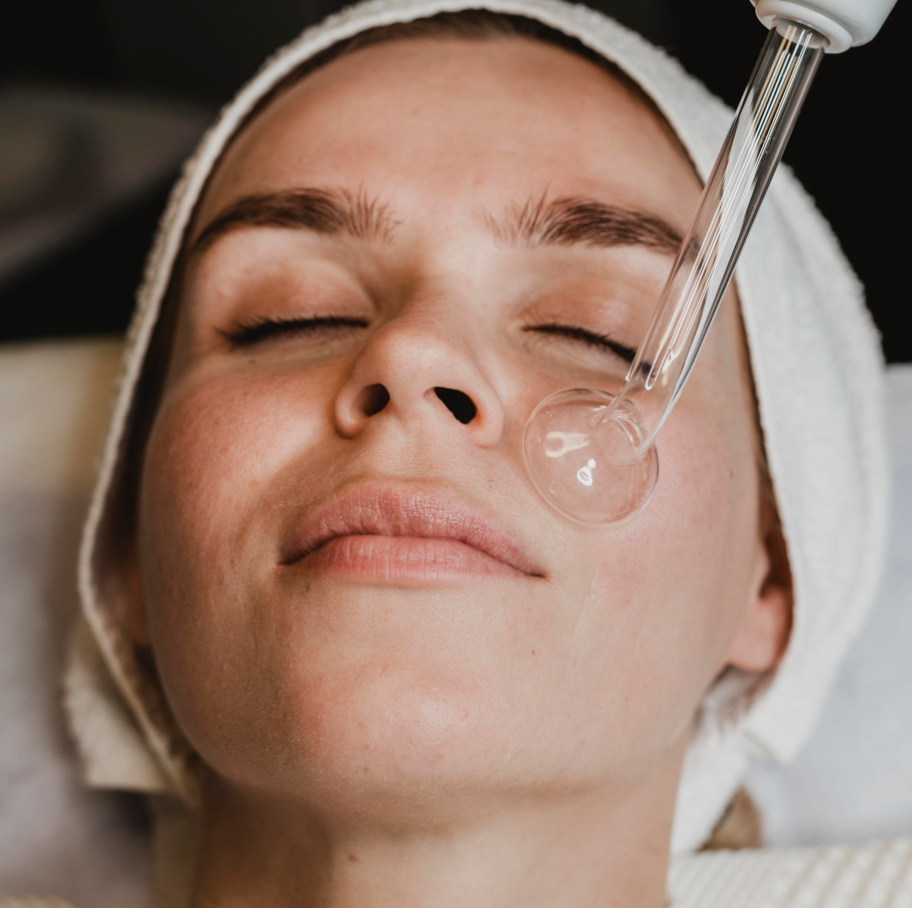
Achieving a balanced and radiant complexion often requires going far beyond daily face washes and standard moisturizers. When stubborn congestion settles into the pores, a professional deep cleaning facial steps in as one of the most effective targeted treatments available. This intensive dermatological routine lifts away embedded dirt, sebum, and environmental residue that routine home regimens simply cannot reach. By addressing skin at a cellular level, these sessions rejuvenate tired skin and lay the foundation for long-term health.
Why Standard Home Cleansing Falls Short Against Deep Pores
Daily washing removes surface dust and light oil, but it leaves deep-seated impurities untouched within the follicle walls over the course of weeks. Over time, trapped sebum, dead cells, and airborne pollutants harden inside the pores, forming microscopic plugs that eventually turn into blackheads, whiteheads, and dull texture. Professional deep cleaning facials utilize specialized thermal and chemical agents to soften these hardened blockages thoroughly. This targeted intervention prevents minor congestion from escalating into painful inflammatory acne while preserving the outer lipid barrier.
The Multi-Stage Purification Protocol Explained
A professional treatment room relies on a precise, multi-step sequence designed to purge congestion without compromising the protective skin barrier. The session begins with a thorough cleansing sweep to lift away surface makeup and daytime debris before moving on to deeper layers. Next, targeted facial steaming warms the skin and opens up follicle openings, making subsequent manual or device-assisted extractions much safer and more efficient. Following extractions, specialized chemical exfoliants clear away remaining dead tissue before a calming mask restores natural balance. When integrated alongside comprehensive skincare practices, this protocol maintains clear pore architecture over time and prevents recurring buildup.
Balancing Sebum Production Across Different Skin Profiles
No two complexions react identically to intense pore purification, making individualized technician adjustments essential for lasting success. Oily skin profiles benefit heavily from sulfur or clay-based masks that absorb excess oil and tighten enlarged follicle openings safely. Conversely, dry and combination skin types require gentler enzyme exfoliants and deeply nourishing botanical serums to clear congestion without stripping essential moisture. Licensed estheticians carefully assess these specific environmental and genetic factors before choosing the appropriate active ingredients for each unique client.
Mitigating Post-Treatment Irritation and Ensuring Proper Recovery
The physical manipulation involved in clearing stubborn blockages naturally causes temporary micro-trauma and minor surface redness across treated zones. Skilled technicians apply soothing, anti-inflammatory agents immediately after extractions to calm the surrounding tissue and accelerate natural healing processes. Clients must follow strict aftercare guidelines, including avoiding direct sun exposure, heavy makeup, and potent retinoids for at least twenty-four hours post-appointment. Protecting the delicate lipid barrier ensures that the skin heals smoothly and avoids post-inflammatory hyperpigmentation or secondary bacterial flare-ups.
Optimizing Serum Absorption and Cellular Renewal Cycles
Clearing away layers of keratinized dead cells transforms how receptive the complexion becomes to daily topical treatments and medical-grade serums. Without a thick barrier of surface debris blocking the way, expensive hydrating serums, antioxidants, and anti-aging peptides penetrate much deeper into the dermal tissue. Furthermore, the mild stimulation of facial massage encourages localized blood flow, delivering vital oxygen and nutrients directly to developing skin cells to accelerate natural turnover.
Evaluating Modern Device-Assisted Cleansing Innovations
Traditional manual extractions are increasingly complemented by advanced technological devices that enhance overall treatment efficacy and comfort. Ultrasonic skin scrubbers use high-frequency vibrations to dislodge stubborn sebum and dead skin cells without aggressive physical pressure. Meanwhile, hydro-dermabrasion systems simultaneously infuse hydrating serums while vacuuming away impurities, making them exceptionally popular for sensitive or dehydrated complexions. Understanding these technical options allows clients to discuss tailored device preferences with their skincare provider during initial consultations.
Frequently Asked Questions
How often should you get a deep cleaning facial?
Most skincare professionals recommend scheduling a deep cleaning facial every four to six weeks to match the body’s natural cellular regeneration cycle.
Do deep cleaning facials hurt?
While steam and masking feel exceptionally relaxing, the extraction portion can trigger mild, temporary discomfort around sensitive areas like the nose.
Can a deep cleaning facial cause breakouts?
Some individuals experience mild skin purging in the days immediately following a session as deep-seated impurities rise to the surface to clear out.
Are deep cleaning facials safe for sensitive skin?
Yes, they remain entirely safe when performed by an experienced esthetician who modifies the technique and uses fragrance-free, soothing formulations.
How should I prepare for my appointment?
It is best to arrive with a clean face free of heavy makeup and to halt strong chemical exfoliating scrubs for a few days prior.
Can I wear makeup right after a facial?
Estheticians advise waiting until the following day to apply heavy makeup so freshly cleared pores can settle and breathe undisturbed.
Disclaimer: Individual skin responses to intensive professional treatments vary based on personal health, genetics, and environmental factors. Always consult with a licensed dermatologist or certified esthetician to determine the safest customized regimen for your unique complexion.


