

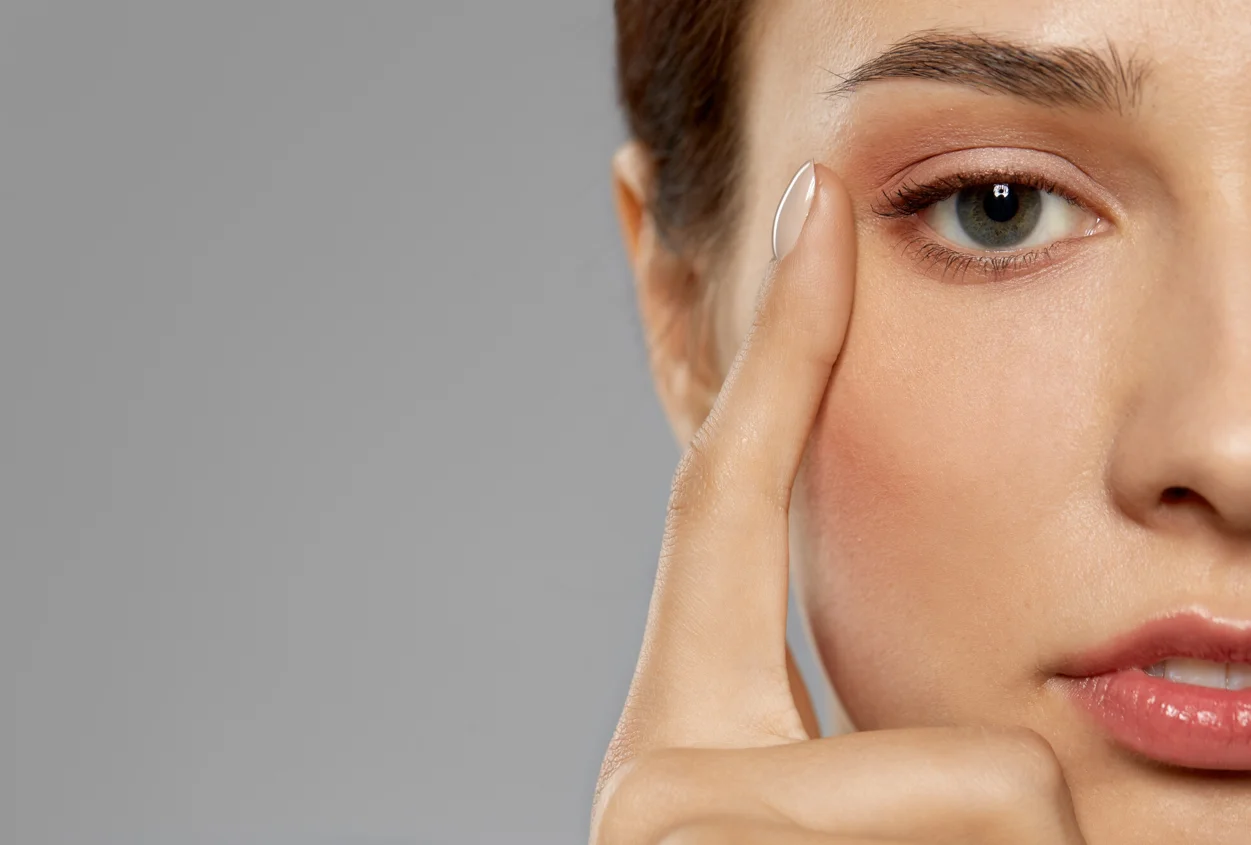
Facial aesthetic harmony often starts at the upper third of the face, where the position of the brows and the smoothness of the forehead establish your overall expression. Forehead operations, ranging from temporary non-surgical treatments to precise surgical lifts, play a critical role in restoring balance and refreshing tired features. Understanding these modern techniques helps patients navigate their choices when seeking a natural and rejuvenated appearance.
Whether addressing heavy brow tissues caused by natural tissue descent or smoothing out deep expression lines, modern cosmetic procedures offer highly customized solutions. Individuals today can choose from a wide spectrum of interventions, ranging from temporary neuromodulators to advanced surgical methods that provide long-lasting structural correction.
Understanding Forehead Operations: Surgical Versus Non-Surgical Pathways
Forehead operations encompass a diverse array of medical procedures designed to improve the contour, position, and texture of the upper face. The primary division in these treatments lies between surgical interventions, which alter physical tissue placement, and non-surgical treatments that temporarily relax targeted facial muscles. A traditional eyebrow lift elevates sagging brows through incisions placed along the hairline, while endoscopic methods utilize specialized cameras and smaller incisions to minimize visible scarring. Meanwhile, non-surgical approaches rely on injectable solutions to achieve a temporary lifting effect without any procedural downtime.
Each technique addresses specific anatomical concerns. Surgical procedures are generally recommended for patients experiencing significant skin laxity, muscle descent, or deep horizontal forehead furrows that fail to respond to less invasive care. Conversely, individuals seeking minor adjustments or preventative wrinkle management frequently explore non-surgical alternatives.
How a Botox Brow Lift Works and Who It Is For
A Botox brow lift utilizes precisely placed injections of botulinum toxin to relax specific depressor muscles around the eye and brow area. When these downward-pulling muscles relax, the opposing forehead muscles pull the brow upward unopposed, creating a subtle and refreshed elevation without surgery. Before and after images of these procedures often demonstrate a noticeable softening of expression lines and a more open eye contour. This non-surgical method suits individuals with mild tissue descent who wish to avoid incisions, general anesthesia, and prolonged recovery periods, though the results are temporary and require maintenance every few months.
Surgical Brow Lifts: Modern Techniques and What They Achieve
Surgical brow lifts provide durable, structural rejuvenation for patients with pronounced brow drooping and deep forehead wrinkles. Modern surgical practices favor endoscopic brow lifts over older open coronal approaches because endoscopic instruments allow surgeons to release and elevate forehead tissues through hidden keyhole incisions behind the hairline. This modern technique significantly reduces recovery times and minimizes scarring while delivering long-lasting improvements in facial harmony. Patients typically notice that their upper eyelids appear less hooded and their overall expression looks more alert and rested once the initial healing phase concludes.
Managing Brow Swelling and Recovery Expectations
Managing brow swelling and following structured post-operative care instructions are vital steps toward achieving optimal surgical results. Following an eyebrow lift or similar surgical forehead operation, mild to moderate swelling, bruising, and tightness around the forehead and temples are normal side effects. Surgeons typically recommend keeping the head elevated while resting, applying cold compresses during the first forty-eight hours, and strictly avoiding heavy physical strain or bending over. While non-surgical Botox treatments require virtually no downtime, surgical recovery unfolds over several weeks, with most patients returning to light daily routines within ten to fourteen days.
Potential Risks and Considerations
Potential risks and temporary side effects accompany any medical aesthetic procedure and should be discussed thoroughly with a qualified specialist. Surgical interventions carry standard risks associated with anesthesia, infection, temporary nerve weakness, asymmetry, or a transient “surprised” look if the brows are initially over-elevated. Non-surgical neuromodulator treatments carry fewer risks, though temporary drooping or bruising can occur if the product diffuses incorrectly. Consulting an experienced, board-certified plastic surgeon or dermatologist helps minimize these complications and ensures that treatment plans align safely with individual facial anatomy.
Choosing the Right Approach for Your Face
Selecting the ideal upper face rejuvenation strategy depends on careful evaluation of your skin elasticity, bone structure, hairline position, and personal aesthetic goals. Younger patients or those with minimal tissue laxity often achieve their desired look through non-surgical neuromodulators or targeted skin care treatments. On the other hand, individuals with advanced tissue descent or heavy brow hooding generally benefit more from an endoscopic or temporal surgical lift. Similar to how essential business software streamlines complex corporate workflows, a personalized aesthetic consultation matches the exact tool or surgical technique to the patient’s unique physical needs.
| Procedure Type | Primary Method | Typical Downtime | Duration of Results |
|---|---|---|---|
| Botox Brow Lift | Injectable neuromodulators | None | 3 to 4 months |
| Endoscopic Brow Lift | Surgical keyhole incisions & camera | 10 to 14 days | Long-lasting (many years) |
| Traditional Brow Lift | Open incision along hairline | 2 to 3 weeks | Permanent structural change |
Frequently Asked Questions
Are forehead operations painful?
Surgical forehead operations are performed under local anesthesia with sedation or general anesthesia, ensuring patients feel no pain during the procedure. Post-operative discomfort is usually managed effectively with prescribed or over-the-counter pain medication during the first few days of healing.
How long do surgical brow lift results last?
Surgical brow lifts provide long-lasting results that endure for many years, though natural aging and gravity will continue to affect the tissues gradually over time.
Can a forehead operation correct drooping eyelids?
Elevating the brow position often relieves mild to moderate hooding over the eyes, but patients with severe upper eyelid skin excess may also require a blepharoplasty procedure.
What is the difference between an endoscopic and a traditional lift?
An endoscopic lift uses small hidden incisions and a tiny camera to elevate tissues with minimal scarring, whereas a traditional lift utilizes a longer incision across the scalp to remove excess skin directly.
When can I resume exercise after surgery?
Most surgeons advise patients to avoid strenuous workouts, heavy lifting, and bending over for at least two to three weeks to prevent increased blood pressure and swelling.
Is a Botox brow lift suitable for everyone?
A Botox brow lift works well for individuals with mild muscle pull and light tissue laxity, but it cannot correct heavy skin sagging that requires surgical excision.
Disclaimer: The information provided in this article is for educational and informational purposes only and should not replace professional medical advice, diagnosis, or treatment. Always consult a qualified healthcare provider or board-certified plastic surgeon regarding any medical conditions or aesthetic procedures.


