

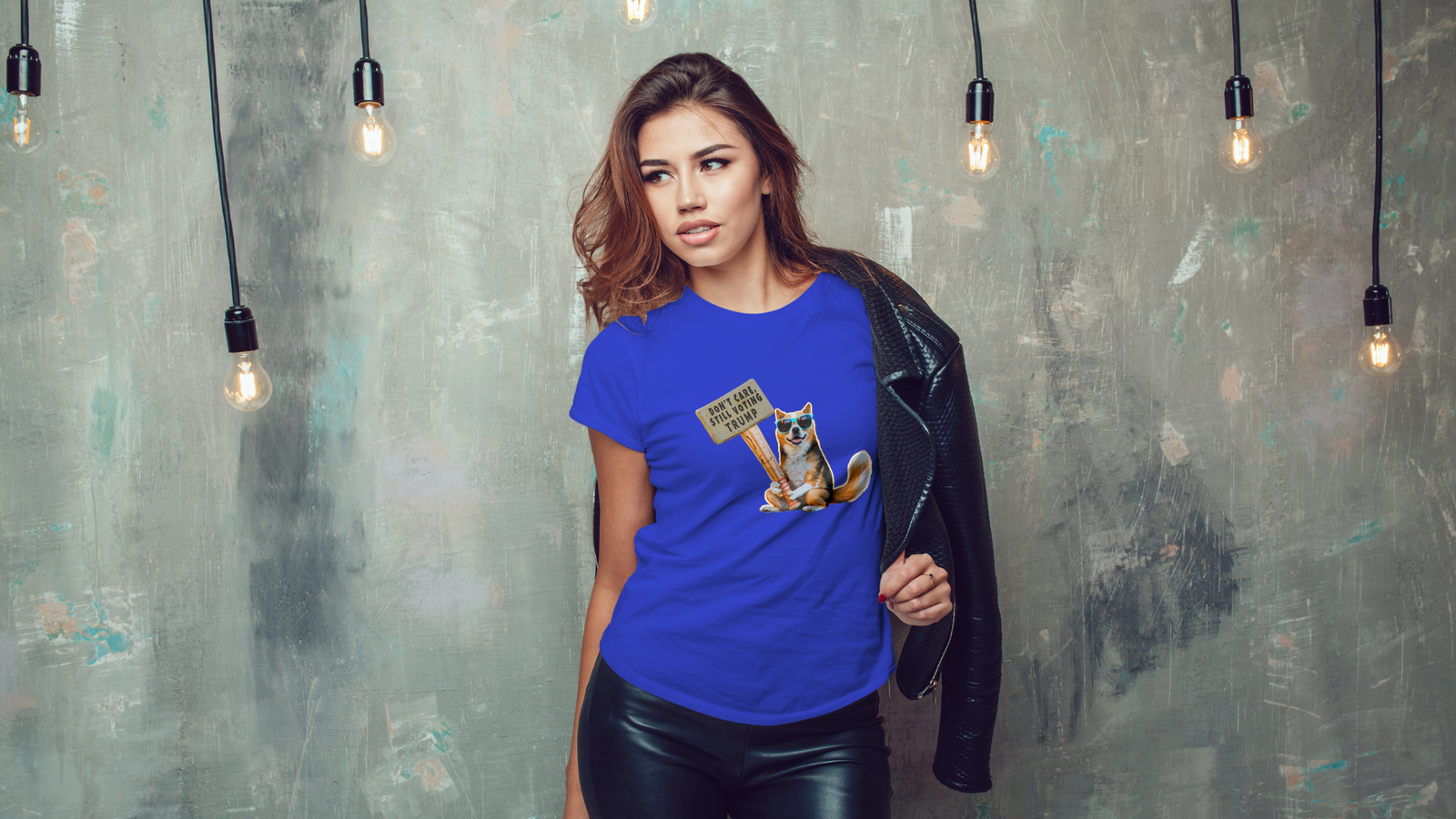
T-shirts have long transcended their role as basic clothing items, evolving into powerful tools for social movements and activism. Over the decades, these simple garments have transformed into wearable statements capable of conveying urgent messages, uniting diverse communities, and amplifying voices that demand systemic change. From the historic civil rights movement to modern-day environmental campaigns, t-shirts in social movements have played a crucial role in shaping public discourse and mobilizing support for various causes. This article explores how wearable garments serve as symbols of solidarity, platforms for advocacy, and canvases for artistic protest.
The Historical Roots of Wearable Protest
Early political campaigns and grassroots organizations realized that printed garments could easily turn supporters into walking billboards for justice.
Throughout history, textile-based messaging provided an affordable and accessible medium for populations whose voices were often sidelined by traditional media channels. During the labor strikes of the early twentieth century and later the civil rights movement of the 1960s, activists donned screen-printed garments and slogan tees to foster group identity during rallies and marches. These early garments established the foundational idea that everyday fabric could communicate political resistance and foster collective courage among people standing on the front lines of social change.
Solidarity and Shared Identity in Modern Movements
Contemporary activism relies on shared visual imagery to build instant community and project a unified front during protests.
Wearing a garment emblazoned with a specific cause or slogan instantly communicates a person’s alignment with a particular movement. This visual representation creates a powerful sense of solidarity among individuals who may otherwise be strangers but remain bonded by shared values and goals. In recent years, movements like Black Lives Matter, the Women’s March, and global climate mobilizations demonstrated how uniform slogans on cotton fabric reinforce collective resolve. By wearing specific phrases, individuals visually align themselves with critical causes, creating a tangible sense of community purpose that extends far beyond individual protest sites.
From Digital Screens to Streetwear: The Speed of Modern Campaigns
Modern digital culture and print-on-demand technology allow viral online moments to transform into physical protest apparel almost overnight.
While historical movements relied on slow supply chains and manual screen printing, today’s activists utilize digital platforms to design, market, and distribute activist merchandise within hours of a breaking event. Social media networks accelerate the spread of viral graphics, hashtags, and activist statements, which creators quickly adapt into wearable formats. This rapid translation from digital outrage to street-level fashion ensures that contemporary social movements maintain high visibility in physical public spaces, bridging the gap between online advocacy and offline participation.
Art, Satire, and Humor on the Front Lines
Political cartooning, wit, and striking graphic design serve as tactical tools to disarm opponents and spark constructive dialogue.
Humor has always held a valuable place in political discourse, and satirical clothing items offer a prime example of how wit makes serious points accessible. Activist shirts featuring clever puns, satirical graphics, or humorous twists on campaign slogans allow wearers to critique policies without coming across as overly aggressive. Furthermore, powerful graphic art—such as clenched fists, stylized iconography, or abstract representations of systemic oppression—captures the emotional intensity of a cause in ways that words alone cannot. These artistic choices provoke thought, challenge public perceptions, and invite curious onlookers into deeper conversations.
The Ethical Dilemma: Sustainable and Ethical Sourcing in Activism
Modern advocacy campaigns face increased scrutiny regarding the environmental and labor practices involved in producing their merchandise.
As environmental awareness grows, organizations and activists increasingly question the ecological footprint of the apparel industry itself. Promoting social justice while ignoring exploitative labor conditions or heavy carbon footprints creates a direct contradiction in values. Consequently, contemporary grassroots organizers often prioritize organic cotton, recycled textiles, and union-made manufacturing for their activist merchandise. This shift ensures that the physical production of the garment aligns cleanly with the ethical principles championed by the movement itself. For deeper insights into how digital media platforms shape public participation, why short-form video content dominates user attention serves as a helpful reference on scaling online awareness.
Frequently Asked Questions
When did t-shirts first become popular for political activism?
T-shirts gained popularity as tools for political and social activism during the mid-twentieth century, particularly expanding during the labor rights and civil rights movements of the 1960s.
Why are t-shirts effective tools for social movements?
T-shirts are low-cost, highly accessible, and portable, allowing supporters to act as mobile billboards that raise awareness in everyday settings.
How has technology changed activist apparel?
Digital design tools and print-on-demand networks enable viral online moments and digital campaigns to transform into physical protest shirts almost instantly.
What role does humor play in political t-shirts?
Humor and satire help disarm audiences, lower defensive barriers, and spark conversations about complex political or social issues in a lighthearted manner.
Are modern activist t-shirts produced sustainably?
Many modern campaigns emphasize ethical sourcing, utilizing organic cotton, recycled materials, and fair-trade labor to ensure their merchandise reflects their values.
Can graphic art on clothing influence public opinion?
Powerful imagery and symbolic designs can evoke strong emotional responses, challenge prevailing social norms, and help shift public perspective over time.
Disclaimer: Social movements, apparel trends, and organizational guidelines evolve continuously. Readers should verify specific campaign messaging, merchandise origins, and organizational affiliations directly through official movement sources before purchasing or wearing activist items.


