

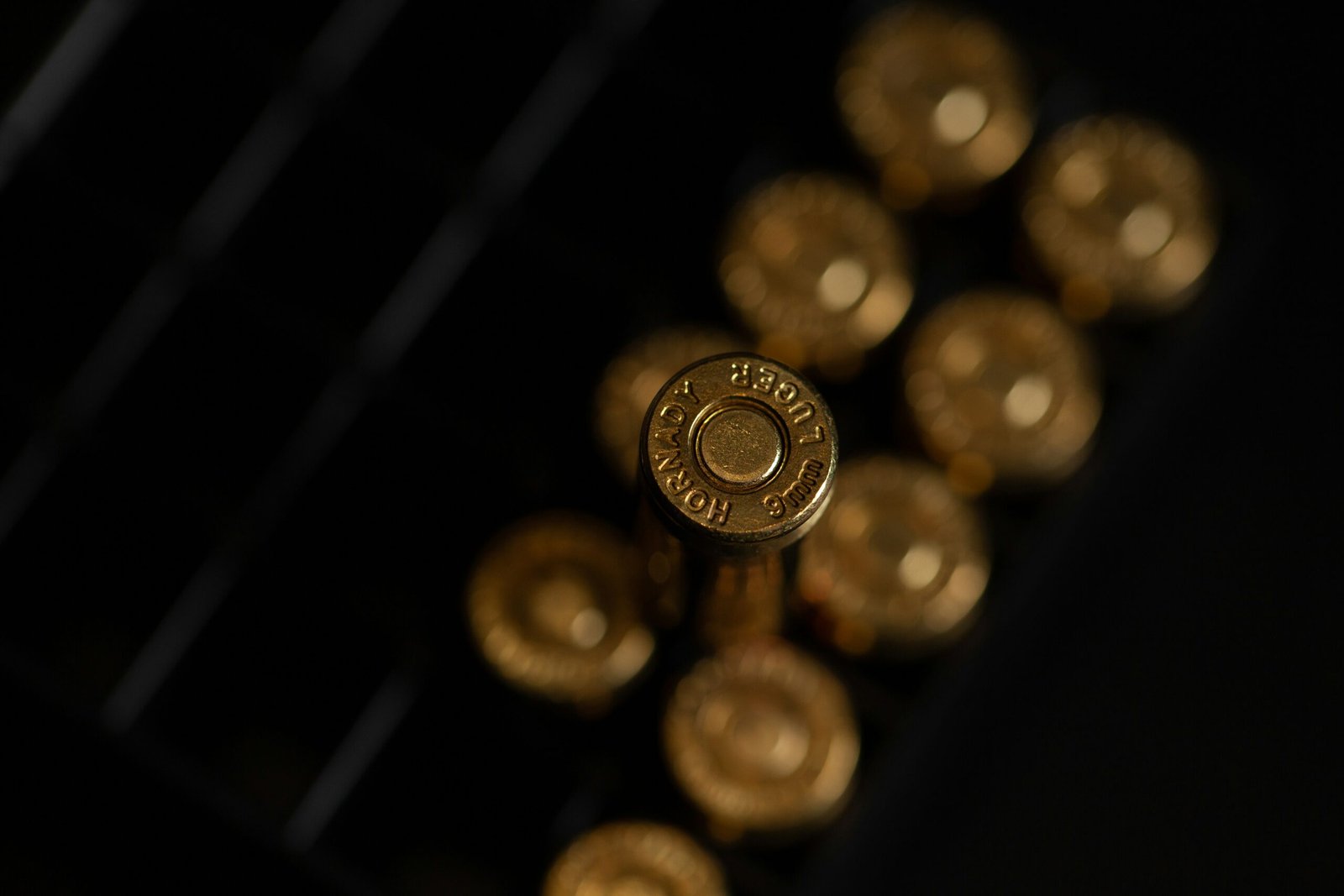
The 9mm cartridge stands as one of the most widely adopted calibers globally, trusted by law enforcement agencies, military units, and everyday civilian gun owners alike. From personal protection inside the home to high-volume target practice at the local range, each specific load serves a distinct operational purpose. Selecting the proper cartridge configuration is essential for maximizing ballistic performance, ensuring firearm reliability, and maintaining safety.
Navigating the vast selection of available loads requires understanding how physical properties like bullet mass, case composition, and powder charges translate into real-world handling. Read on to examine the core factors that separate high-performing defensive rounds from economical training ammunition.
Defining Your Operational Mission: Personal Defense Versus Range Training
The primary objective of your shooting session dictates whether you should load defensive hollow points or high-volume full metal jacket rounds.
For personal protection, shooters rely almost exclusively on jacketed hollow point ammunition or modern monolithic copper variants. These specialized projectiles are engineered to expand rapidly upon impact with soft tissue, transferring energy efficiently while drastically reducing the risk of hazardous over-penetration. Premium defensive options undergo rigorous factory testing to ensure reliable feeding and consistent expansion through various service pistol platforms.
Conversely, recreational range sessions prioritize affordability, smooth feeding, and predictable point of impact over terminal expansion. Full metal jacket or total metal jacket rounds encapsulate the lead core entirely within a copper layer, minimizing lead vaporization in indoor shooting environments and keeping per-round costs low for high-repetition training.
Analyzing Projectile Mass: Navigating 115, 124, and 147 Grain Loads
Bullet weight directly influences firearm recoil impulses, muzzle velocity, and point of impact at various distances.
The 115-grain projectile represents the lightest standard factory weight for the caliber, delivering fast muzzle velocities and a notably flat trajectory. This characteristic makes 115-grain ammunition popular for budget-conscious target practice, though the snappier recoil pulse can feel different compared to heavier loads.
The 124-grain bullet serves as a versatile middle ground used extensively by military and police forces worldwide. It balances velocity and mass effectively, providing a comfortable recoil profile alongside dependable terminal ballistics for both duty use and civilian carry.
The heavy 147-grain projectile travels at lower speeds but carries greater mass and momentum downrange. Because these heavier bullets typically stay subsonic out of standard pistol barrels, they produce a softer, more linear recoil impulse that aids shooters in managing rapid follow-up shots.
Compensating for Reduced Velocities in Micro-Compact Handguns
Micro-compact handguns with short barrels alter how 9mm ammunition performs by reducing muzzle velocity compared to full-sized duty pistols.
When defensive ammunition is fired from a compact pistol with a barrel length under three and a half inches, the projectile has less time to accelerate before leaving the muzzle. Lower velocity can occasionally hinder the hydraulic expansion of traditional hollow points designed for longer service pistols.
To combat this limitation, major ammunition manufacturers now offer short-barrel-specific defensive loads utilizing specialized powders or monolithic copper hollow points. These specialized rounds achieve reliable expansion even at the reduced velocities typical of subcompact carry guns, ensuring optimal terminal performance regardless of platform size.
Evaluating Chamber Pressures, Muzzle Speeds, and Suppressor Use
Standard velocity ratings, high-pressure plus-p loads, and subsonic options each cater to specific operational environments and firearm configurations.
Most standard 9mm loads travel between 1,000 and 1,200 feet per second, offering predictable ballistics for general target work and standard carry applications. High-pressure +P rounds generate higher chamber pressures to boost muzzle velocity and energy, though shooters must verify that their specific handgun is rated by the manufacturer to handle continuous +P use.
Subsonic ammunition stays below the speed of sound, typically under 1,125 feet per second. This category is primarily paired with suppressed firearms to eliminate the sharp supersonic crack, resulting in a significantly quieter shooting experience.
| Ammo Type | Typical Velocity | Primary Application |
|---|---|---|
| 115-Grain FMJ | 1,150 – 1,250 fps | Target practice and training |
| 124-Grain JHP | 1,100 – 1,180 fps | Everyday carry and self-defense |
| 147-Grain Subsonic | 950 – 1,050 fps | Suppressed shooting and duty use |
Managing Training Budgets Through Casing Materials and Bulk Purchases
Balancing operational training expenses requires careful consideration of casing materials, bulk purchasing options, and manufacturing standards.
Brass-cased ammunition remains the gold standard for range training because it is reloadable and feeds reliably across nearly every firearm platform. Aluminum-cased and steel-cased alternatives offer lower upfront costs for high-volume shooters, but certain indoor ranges restrict steel-jacketed projectiles or steel cases due to fire hazards and backstop wear.
Purchasing reliable practice loads in bulk cases reduces per-round expenditures significantly, allowing shooters to maintain proficiency without overspending. For those exploring comprehensive financial preparations and long-term asset security outside the shooting range, reviewing guidance like special needs estate planning can help balance overall household preparedness.
Frequently Asked Questions
Can I shoot +P ammunition in any 9mm handgun?
No, you must consult your firearm owner’s manual or manufacturer guidelines to confirm whether your specific handgun model is certified to handle higher-pressure +P loads safely.
Is steel-cased 9mm ammo bad for my firearm?
Steel-cased ammunition is generally safe to fire in modern firearms, though it tends to wear out extractors and barrels slightly faster than softer brass components due to the harder steel composition.
How long does factory 9mm ammunition last in storage?
When stored in a cool, dry environment away from extreme temperature swings, factory-sealed centerfire ammunition can remain reliable for decades.
What is the difference between FMJ and TMJ rounds?
Full metal jacket rounds leave the base of the lead core exposed, whereas total metal jacket rounds completely enclose the lead inside copper to reduce lead vapor emissions during indoor shooting.
Do I need special hollow points for a subcompact pistol?
While standard hollow points often function adequately, short-barrel-specific or monolithic copper loads are engineered to expand reliably even when fired from shorter pistol barrels.
Why do law enforcement agencies prefer 124-grain or 147-grain loads?
Heavier service loads provide superior barrier penetration and consistent terminal ballistics that meet rigorous FBI testing protocols required for duty use.
Disclaimer: Ammunition specifications, pricing, and ballistic performance can vary based on specific firearm models, barrel lengths, and manufacturing lot numbers. Shooters should always verify technical data and safety guidelines directly through official manufacturer resources before handling or firing any load.


