
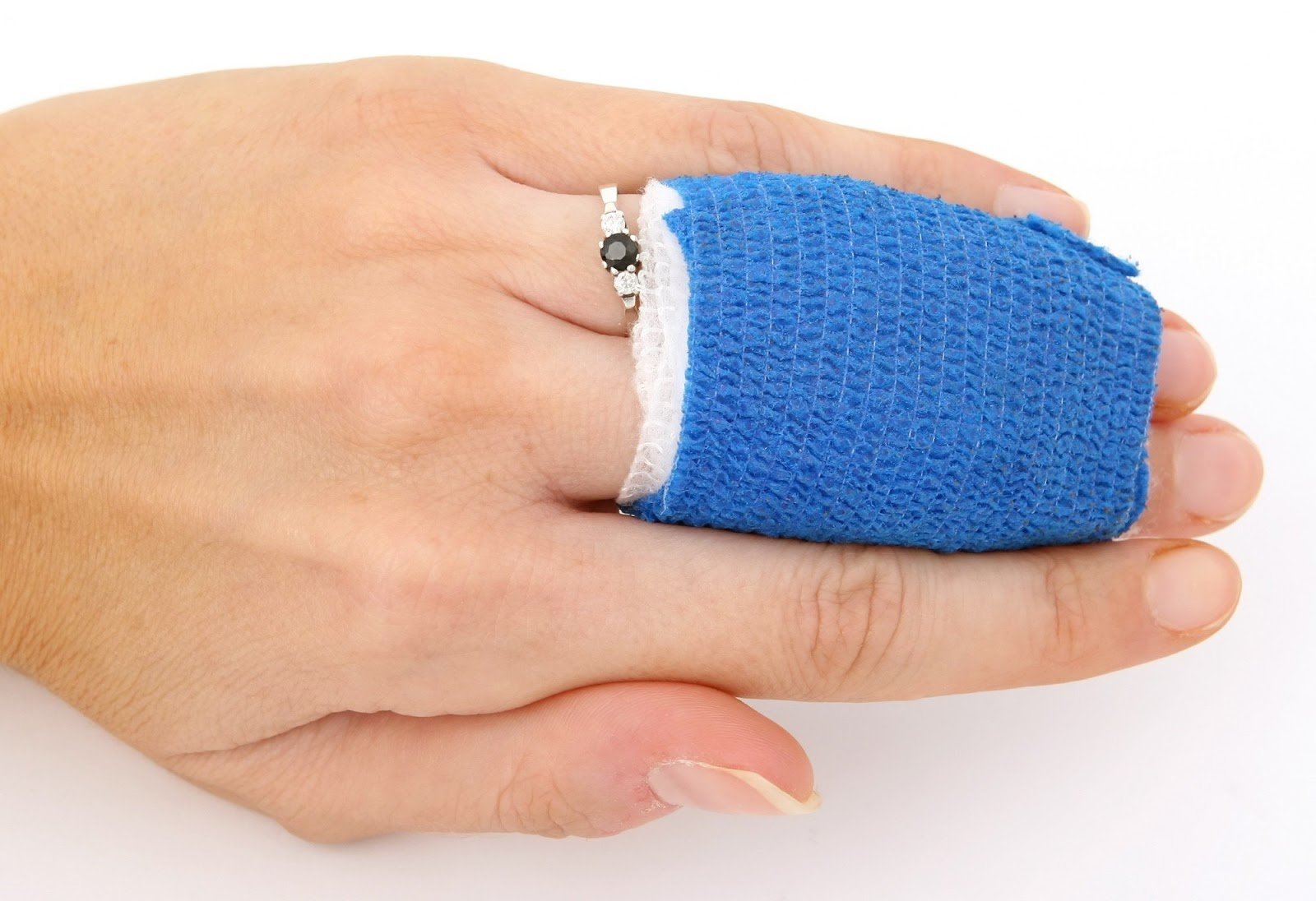
Serious injuries can alter the course of your life in an instant. From unexpected accidents to severe medical complications, the aftermath of a serious injury involves not just physical healing but also emotional, financial, and social adjustments. When navigating these changes, equip yourself with the right information and support. Take a look at this comprehensive overview of what to expect and how to cope after sustaining a significant injury so that you are not alone in this challenging journey.
Handling Acute Trauma Care and Discharge Coordination
Moving from intensive hospital care to a home environment requires careful planning around medical devices and specialized nursing support.
The initial transition period can feel overwhelming when you are suddenly responsible for managing complex wound care, prescription schedules, and mobility aids outside of a sterile clinical facility. Rely on hospital discharge planners and occupational therapists to evaluate your residence and recommend necessary home modifications well in advance. Having the right durable medical equipment ready before you arrive home minimizes stress and prevents accidental setbacks during those fragile first weeks.
Coping with Post-Traumatic Psychological and Emotional Stress
Emotional rehabilitation demands as much attention and deliberate care as physical healing following a life-altering accident.
Experiencing sudden trauma frequently triggers intense anxiety, depressive episodes, and persistent post-traumatic stress symptoms that can hinder overall recovery if left unaddressed. Professional counseling and structured therapy offer a secure environment to process difficult emotions and confront fears related to permanent or temporary disability. Connecting with peer support groups allows survivors of severe trauma to share coping strategies, reducing the profound isolation that often accompanies long-term rehabilitation.
Rebuilding Strength Through Tailored Physical Rehabilitation
Structured physical and occupational therapy programs are vital for regaining mobility, managing chronic pain, and reclaiming functional independence.
Rehabilitation regimens must be carefully calibrated to your specific trauma, balancing gradual strength training with necessary rest periods to avoid painful flare-ups. Collaborating closely with licensed therapists helps ensure that every movement builds functional capacity safely without overtaxing healing tissues. Celebrating small milestones keeps morale high during a process where progress often feels slow and demanding.
Navigating Mounting Medical Bills and Income Loss
Protecting your financial stability after a catastrophic accident requires a proactive approach to managing healthcare debt and insurance claims.
Surviving an extended hospital stay often results in an overwhelming accumulation of medical bills, prescription expenses, and lost wages from missed work. Creating a detailed financial inventory helps track every medical cost while you explore disability benefits, health insurance policies, and employer medical leave protections. Speaking with qualified financial counselors or hospital billing advocates can also reveal structured payment options or financial assistance programs that ease the burden.
Evaluating Legal Options and Protecting Your Rights
Understanding your legal standing and documenting accident details thoroughly ensures you are prepared if you choose to pursue formal compensation.
When injuries stem from another party’s negligence or a severe accident, understanding your legal rights regarding insurance claims becomes paramount. Many injured individuals find that navigating the personal injury legal process helps clarify complex questions regarding insurance adjusters and medical liens. To make an informed choice, it is wise to evaluate whether you have a valid personal injury case before accepting any early settlement offers from insurance representatives.
Adjusting Daily Routines and Fostering a Strong Support System
Adapting your daily lifestyle and relying on trusted friends and family members helps restore a sense of normalcy and personal agency.
Daily routines that were once second nature may now require creative modifications to accommodate your current physical limitations and energy levels. Embracing accessible hobbies, maintaining regular social contact, and openly accepting assistance from your support network fosters resilience and hope. A balanced approach that honors your physical boundaries while encouraging mental and social engagement lays a solid foundation for sustainable long-term recovery.
Frequently Asked Questions
What are the primary priorities immediately following a severe accident?
Focus entirely on emergency stabilization, comprehensive medical evaluation, and ensuring all physical trauma is documented thoroughly by healthcare providers.
How can I manage sudden medical debt during recovery?
Request itemized hospital bills, inquire about financial hardship programs, and review your insurance policy details with a patient advocate.
Why is mental health treatment essential after physical trauma?
Anxiety, depression, and post-traumatic stress frequently accompany serious injuries and can physically impede your recovery if left untreated.
When should I consult an attorney regarding my accident?
Reaching out to a legal professional early helps preserve vital evidence, secure witness statements, and protect your rights against premature insurance settlements.
How should I prepare my home for discharge after hospitalization?
Work with occupational therapists to install ramps, grab bars, and necessary medical furniture before returning home from acute care.
What role does physical therapy play in long-term healing?
Physical therapy restores muscle strength, improves joint flexibility, and teaches safe movement mechanics to prevent secondary injuries.
How can I stay socially connected while dealing with mobility restrictions?
Leverage video calls, host brief visits with close friends, and participate in online support communities tailored to injury survivors.
Disclaimer: This article offers general guidance only and does not constitute professional medical, legal, or financial advice. Because every injury situation is unique, readers should always consult licensed experts regarding specific health treatments, legal claims, or financial decisions.

Daniel J. Morgan is the founder of Invidiata Magazine, a premier publication showcasing luxury living, arts, and culture. With a passion for excellence, Daniel has established the magazine as a beacon of sophistication and refinement, captivating discerning audiences worldwide.


[…] lost earning capacity, and future care requirements. Partnering with professionals experienced in managing serious injury aftermath ensures that every facet of long-term financial necessity is accurately documented and represented […]
[…] guidance on handling unexpected physical trauma and physical setbacks, reviewing resources like the ultimate guide to dealing with serious injury recovery can offer additional perspective on post-crisis […]