

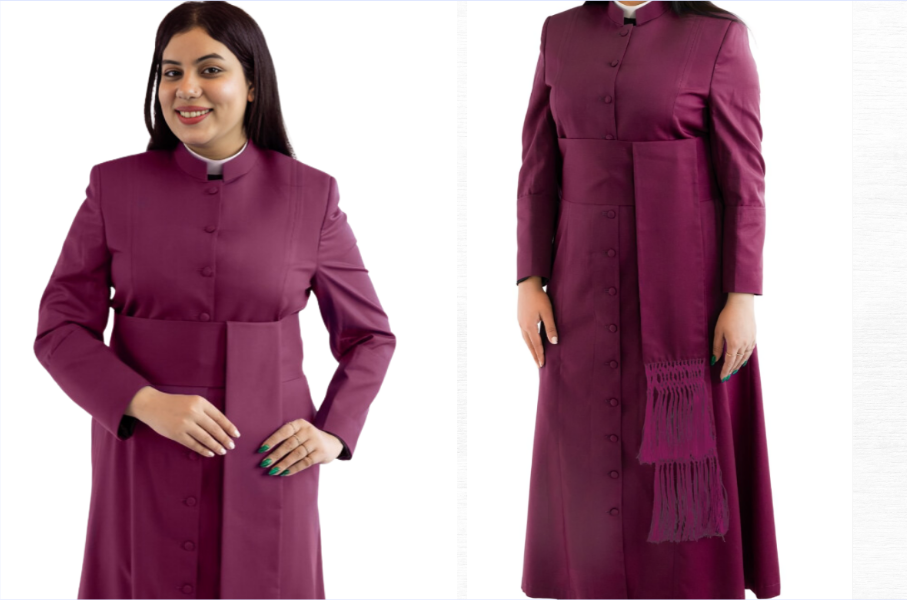
Clergy robes for women are essential ceremonial garments worn during weekly church services, weddings, funerals, and other sacred religious events. Because these garments are frequently worn around active candle stands, burning incense burners, and metal thuribles, they are vulnerable to accidental ash spills. When fine soot settles onto these garments, it can create frustrating gray streaks that detract from the dignified appearance of the attire. Understanding how ash interacts with liturgical textiles ensures that minister robes for women remain clean, vibrant, and well-maintained over years of continuous service.
Why Ash Reacts Differently on Minister Robes
Ash is naturally alkaline, meaning that improper washing techniques can permanently bind the microscopic carbon particles into clothing fibers. Many people make the mistake of using hot water or harsh commercial stain removers immediately upon noticing a gray smudge on their garments. High temperatures and strong chemical agents open up textile weaves, causing the alkaline soot to penetrate deeper into synthetic or natural threads. Recognizing this chemical makeup is the first step toward safeguarding delicate church garments from permanent discoloration.
Safety and Preparation Steps
Before handling any stained garment, always allow nearby candle holders, incense stands, or metal vessels to cool down completely to prevent accidental burns. Working in a well-ventilated room protects the respiratory system from inhaling loose carbon dust while moving the fabric. Gathering the correct cleaning supplies beforehand streamlines the process and prevents hasty decisions that could harm the textile.
Reviewing standard garment care requirements helps garment custodians prepare appropriate tools:
| Supply Item | Primary Purpose | Best Suited For |
|---|---|---|
| Soft-bristled brush | Lifting loose surface soot | All liturgical fabrics |
| Dry-cleaning sponge | Absorbing dry carbon dust | Velvet trims and delicate brocades |
| Mild liquid detergent | Breaking down oily residue | Polyester and cotton blends |
| Mesh laundry bag | Protecting seams during washing | Machine-washable pastor attire |
Dry Extraction Methods for Loose Soot
The golden rule of cleaning ash is to remove as much dry residue as possible before introducing any liquid moisture. Gently sweep a soft-bristled brush across the surface of the minister robe, moving strictly in one direction to corral the particles off the fabric. Alternatively, a low-suction handheld vacuum fitted with a clean brush attachment can lift loose gray dust without grinding it deeper into the weave. Never rub the affected area aggressively with a dry cloth, because friction forces tiny ash particles deeper into the textile pores.
Fabric-Specific Wet Cleaning and Spot Treatment
Different liturgical textile blends require customized cleaning approaches to prevent shrinkage, fading, or fiber breakdown. Polyester gabardine handles moisture quite well, whereas rich velvet trims and intricate metallic brocades demand specialized professional care. Mix a few drops of mild laundry detergent into a basin of cold water to create a gentle cleaning solution. Dip a clean white cloth into the mixture, wring it out thoroughly, and dab gently at any remaining gray shadows until the carbon lifts.
Hand Washing Versus Gentle Machine Cycles
Deciding between manual washing and machine laundering depends entirely on the fabric composition tag attached inside the collar. Hand washing in a basin filled with cold water and mild detergent remains the safest choice for delicate minister robes adorned with decorative metallic threads or satin panels. If the care label confirms that the pastor attire consists of sturdy, washable synthetic fabrics, machine washing on a delicate cycle offers a thorough clean. Always secure the garment inside a heavy-duty mesh laundry bag before placing it in the washing machine drum to prevent snags and stretching.
Proper Air Drying and Storage Protection
Properly drying ceremonial garments ensures that the fabric maintains its original shape and professional drape. Lay the wet garment flat across a clean white towel, smoothing out any creases gently without wringing or twisting the wet fibers. Never tumble dry minister robes or expose them to direct sunlight and high heat sources, which can warp synthetic weaves or cause permanent shrinkage. Once completely dry, hang the attire inside a breathable garment bag to shield the fabric from airborne dust, soot, and incidental environmental stains until the next service.
Frequently Asked Questions
Can I use hot water to wash out ash stains?
Hot water should always be avoided because high temperatures cause alkaline ash particles to bond permanently with textile fibers.
What should I do if the ash stain is on delicate velvet trim?
Delicate velvet trims should be treated with a dry chemical sponge to lift soot without flattening the pile or risking water rings.
Is it safe to use chlorine bleach on white minister robes?
Chlorine bleach is too harsh for most ceremonial fabrics and can weaken synthetic or cotton-poly blends over time.
How can I prevent ash from falling on my robes during services?
Using stable candle followers, wind guards, and maintaining a safe distance from open incense burners helps minimize accidental spills.
When is it necessary to take robes to a professional dry cleaner?
Professional dry cleaning is recommended for heavy soot damage, delicate brocades, or garments with strict dry-clean-only labels.
Should I brush off fresh ash while it is still warm?
Always let ash cool down entirely before attempting any brushing or vacuuming to avoid burns and smearing.
Conclusion
Maintaining pristine ceremonial attire requires patience, correct tools, and gentle handling techniques tailored to specific textile blends. By practicing safe dry extraction methods, avoiding hot water, and storing garments correctly, church leaders can keep their vestments looking dignified for years. For more ideas on hosting events where careful planning matters, check out our tips for planning the perfect backyard party.
Disclaimer: Textile care requirements vary by manufacturer and fabric composition. Always consult the specific care label attached to your garment and verify cleaning methods before applying water or specialized solutions.


