

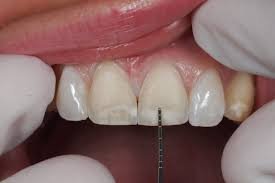
A radiant smile often serves as your first impression in social and professional settings, yet many people deal with stubborn tooth discoloration, chipped edges, or small gaps that brushing alone cannot fix. When simple teeth whitening treatments fall short, dental veneers provide a reliable cosmetic pathway to reshape and brighten your teeth. These wafer-thin custom shells adhere securely to the front surface of natural teeth, creating an even, uniform appearance that looks bright and feels natural.
Selecting the right cosmetic approach requires understanding how different materials and application methods perform over time. Dentists work with multiple veneer varieties, each involving distinct clinical steps, durability levels, and investment tiers. Reviewing these major categories helps you determine which style aligns with your personal aesthetic goals and oral health needs.
Porcelain Veneers Provide Exceptional Longevity and Natural Translucency
Traditional porcelain veneers remain the gold standard in cosmetic dentistry because of their superior strength, lifelike depth, and long-term color stability.
The fabrication process takes place in a dental laboratory, where master ceramists layer high-grade ceramic material to match the exact shade and shape of your surrounding teeth. Because porcelain possesses a glass-like quality, it reflects light in the same manner as natural tooth enamel. Daily consumption of coffee, black tea, or red wine rarely discolors high-grade ceramic, allowing your smile to retain its brightness for years. The placement procedure requires a dentist to shave away a thin layer of natural tooth enamel—typically about half a millimeter—to ensure the restoration sits flush with adjacent teeth without looking bulky.
Composite Resin Veneers Offer Chairside Versatility and Immediate Results
Composite resin veneers provide a more accessible and time-efficient alternative for patients who want noticeable cosmetic improvements without a multi-week laboratory wait.
During a single visit, the dentist applies a pliable, tooth-colored resin directly onto the prepared tooth surface, sculpting and shaping it by hand to correct minor misalignments or discoloration. A specialized curing light hardens each layer instantly, and the dentist finishes the process by polishing the resin to a smooth shine. This direct application method often allows patients to walk out of the clinic with a transformed smile in a single afternoon. While composite materials cost considerably less than porcelain, they are slightly more porous and may require more frequent polishing or repairs over time.
Ultra-Thin Lumineers Minimize Enamel Removal and Drilling
Lumineers are a specialized brand of ultra-thin ceramic veneers engineered to bypass the need for extensive tooth reduction or drilling.
Manufactured from patented cerinate porcelain, these shells are roughly as thin as a contact lens while maintaining impressive durability. Because the restorations are exceptionally thin, dentists can bond them directly over existing teeth with little to no removal of natural enamel. This minimal intervention makes the procedure virtually painless, and local anesthesia is rarely required. Patients who feel hesitant about altering their natural tooth structure permanently often find peace of mind in this reversible-leaning cosmetic option.
No-Prep Veneer Solutions Conserve Complete Tooth Structure
No-prep veneer systems encompass a broader group of minimal-intervention techniques designed to enhance dental aesthetics with maximum structural conservation.
These ultra-thin veneers adhere seamlessly to the front of teeth without requiring aggressive reshaping or extensive numbing. Patients experience virtually no post-procedure sensitivity since the underlying dentin and nerves remain largely untouched. However, this method suits specific dental profiles best; individuals with severely crowded teeth, protruding arches, or deep intrinsic staining may need traditional reduction to avoid a bulky finish. A thorough clinical evaluation helps determine whether your dental alignment accommodates a no-prep approach.
Comparing Lifespan, Cost, and Invasiveness Across Options
Comparing the lifespan, procedural invasiveness, and financial investment of each style ensures you make a fully informed decision.
| Veneer Category | Typical Longevity | Enamel Impact | Primary Benefit |
|---|---|---|---|
| Traditional Porcelain | 10 to 15+ years | Moderate (approx. 0.5mm) | Superior stain resistance and lifelike depth |
| Composite Resin | 5 to 7 years | Minimal to none | Affordable pricing and single-visit placement |
| Lumineers | 10 to 20 years | None to minimal | Ultra-thin profile requiring little to no drilling |
| No-Prep Designs | 10 to 15 years | None | Preserves natural tooth structure completely |
Weighing these variables against your daily routine and budget helps narrow down the ideal choice for your dental profile. Traditional porcelain delivers unmatched long-term durability, whereas composite bonding offers a flexible entry point for immediate improvements. For related guidance on maintaining optimal oral hygiene, you can read our advice on expert care for a healthy smile.
Common Patient Questions About Cosmetic Dental Veneers
How long do dental veneers typically last?
Traditional porcelain and ultra-thin brands often endure for a decade or more with diligent brushing and flossing, whereas composite resin restorations generally require replacement or touch-ups every five to seven years.
Does getting veneers installed hurt?
The procedure involves minimal discomfort because dentists use local numbing agents when enamel reduction is necessary, and minimal-prep styles rarely require any invasive drilling.
Can veneers become stained from coffee or tea?
Ceramic and porcelain surfaces resist pigment absorption remarkably well, but composite resin veneers are more porous and can pick up surface stains from dark beverages over time.
Are all types of dental veneers permanent?
Traditional options that require shaving down natural enamel are irreversible, whereas ultra-thin and no-prep varieties can sometimes be removed or swapped without permanent structural harm.
What is the best way to care for new veneers?
Maintain your restorations by brushing twice daily with non-abrasive toothpaste, flossing daily, visiting your dentist for routine checkups, and wearing a nightguard if you grind your teeth.
Who makes a good candidate for this treatment?
Ideal candidates possess healthy gums, adequate tooth enamel, and realistic expectations about correcting aesthetic imperfections rather than fixing major bite disorders.
Important Professional Health Notice
Cosmetic dental treatments depend heavily on individual oral health conditions and structural anatomy. The details provided here are for general educational purposes and do not replace professional dental advice. Always consult a licensed dentist to evaluate your specific needs before committing to any dental procedure.


