
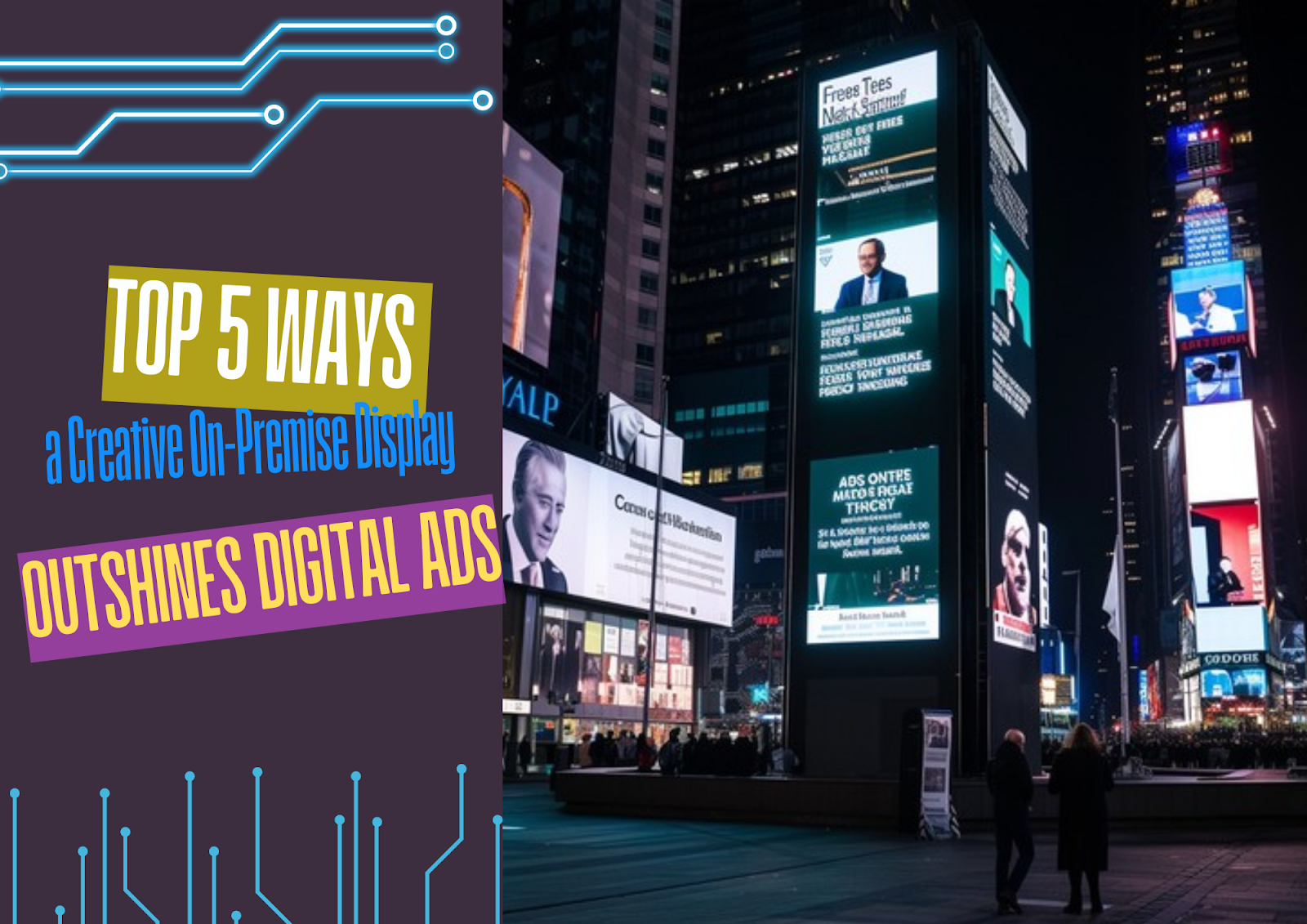
Modern consumers face an overwhelming daily barrage of banner ads, pop-ups, and social media promotions while browsing online. This constant exposure creates screen fatigue, leading shoppers to automatically tune out digital marketing messages. A creative on-premise display bypasses this digital blindness by establishing an inviting, real-world presence right where local pedestrians walk and shop.
Physical merchandising offers a refreshing sensory experience that browser-based ads simply cannot replicate. Store owners looking to maximize their return on investment must balance online campaigns with robust offline merchandising, just as smart enterprises manage allocating funds for digital growth alongside tangible storefront setups. Exploring the unique strengths of physical signage reveals why traditional displays remain an essential driver of retail visibility.
Escaping Screen Blindness Through Tactile Storefront Immersion
A creative on-premise display utilizes physical textures, dynamic lighting angles, and spatial depth to capture attention where flat digital screens fail. When shoppers walk past a thoughtfully designed window arrangement, they experience a three-dimensional presentation that sparks natural curiosity. This immersive environment encourages pedestrians to pause, observe closely, and step inside rather than quickly scrolling past an online advertisement.
Digital banners are easy to swipe away or block with software extensions, but physical signage occupies actual neighborhood space. This permanence gives potential customers an authentic preview of what a business offers before they ever open their wallets or commit to a purchase.
Capturing High-Intent Foot Traffic at the Exact Point of Decision
Physical storefront displays reach consumers at the precise micro-moment when they are standing outside a business with active intent to shop. Mobile geo-targeted ads attempt to track smartphone users who might be miles away, distracted by messaging apps, or driving past at high speeds. Storefront signage removes these digital barriers by engaging buyers right at the threshold of the commercial space.
This precise geographic positioning makes physical merchandising remarkably effective at converting passersby into immediate walk-in customers. Retailers can adapt their displays daily to reflect local events, seasonal changes, or special neighborhood gatherings, ensuring the storefront remains relevant and welcoming.
Building Deeper Emotional Resonance and Lasting Brand Recall
Physical displays foster profound brand recognition by anchoring storytelling into tangible materials that forge stronger neural pathways in the human brain. Interacting with a well-crafted storefront installation creates a sense of reliability and community standing that remote internet corporations struggle to project.
This physical authenticity encourages first-time visitors to return repeatedly because they feel a genuine connection to the business. Rather than viewing a fleeting banner ad that vanishes with a single screen refresh, consumers absorb the established character and values of a local enterprise through a thoughtfully designed physical environment.
Securing Long-Term Cost Efficiency Over Endless Digital Ad Spend
Physical displays deliver exceptional long-term cost benefits because they require a one-time setup investment rather than the continuous monthly bidding fees demanded by pay-per-click campaigns. Online advertising expenses continue to climb as bidding competition for popular keywords intensifies across major search engines. A well-maintained physical display, however, provides uninterrupted daily exposure month after month with minimal upkeep costs.
| Investment Dimension | On-Premise Physical Display | Digital Pay-Per-Click Advertising |
| Cost Structure | One-time design, production, and setup | Ongoing monthly auction bidding fees |
| Upkeep Demand | Periodic cleaning and minor seasonal refreshes | Frequent digital asset and campaign overhauls |
| Operational Lifespan | Years of continuous neighborhood visibility | Strict expiration tied to active ad spend |
| Financial Return | Compound long-term value for local buyers | Fluctuating returns tied to algorithm shifts |
| Resource Consumption | Single physical manufacturing cycle | Continuous server energy and cloud upkeep |
As marketing teams face rising digital advertising costs, investing in high-quality physical signage stabilizes overhead expenses while ensuring steady customer acquisition.
Anchoring Brands Within the Local Community Fabric
Creative storefront displays integrate a business directly into the regional culture and aesthetic of its surrounding neighborhood. When a physical establishment reflects local pride and community values, it demonstrates a level of commitment that pure e-commerce websites cannot replicate. This local integration transforms transient foot traffic into a loyal community of repeat patrons.
Frequently Asked Questions
Which types of businesses gain the highest return from physical displays?
Brick-and-mortar retail shops, neighborhood cafes, local restaurants, and community service providers benefit most because they rely heavily on capturing pedestrian foot traffic.
How do physical storefront displays compare to digital ads regarding ongoing expenses?
Physical displays require an initial installation investment followed by minimal upkeep costs, whereas digital ads demand continuous monthly spending to maintain online visibility.
What design elements make an on-premise display truly effective?
Successful displays combine strong visual contrast, clear brand messaging, appropriate accent lighting, and strategic placement aligned with pedestrian walking patterns.
Can physical displays successfully integrate with modern digital tools?
Yes, many storefronts incorporate discreet QR codes, augmented reality touchpoints, or social media photo backdrops to bridge offline curiosity with online engagement.
How frequently should a business refresh its physical storefront displays?
Store owners should update their displays on a quarterly basis to highlight seasonal changes, new product arrivals, and upcoming holidays.
Do physical displays genuinely improve long-term brand recall over digital banners?
Physical displays engage multiple human senses simultaneously, creating stronger psychological memory structures that help consumers remember the brand long after leaving the shopping district.
Disclaimer: Display effectiveness, local permitting regulations, and installation costs vary significantly by industry, geographic location, and storefront architecture. Business owners should carefully evaluate their specific commercial environment and consult official local guidelines before finalizing physical display investments.

Daniel J. Morgan is the founder of Invidiata Magazine, a premier publication showcasing luxury living, arts, and culture. With a passion for excellence, Daniel has established the magazine as a beacon of sophistication and refinement, captivating discerning audiences worldwide.


