

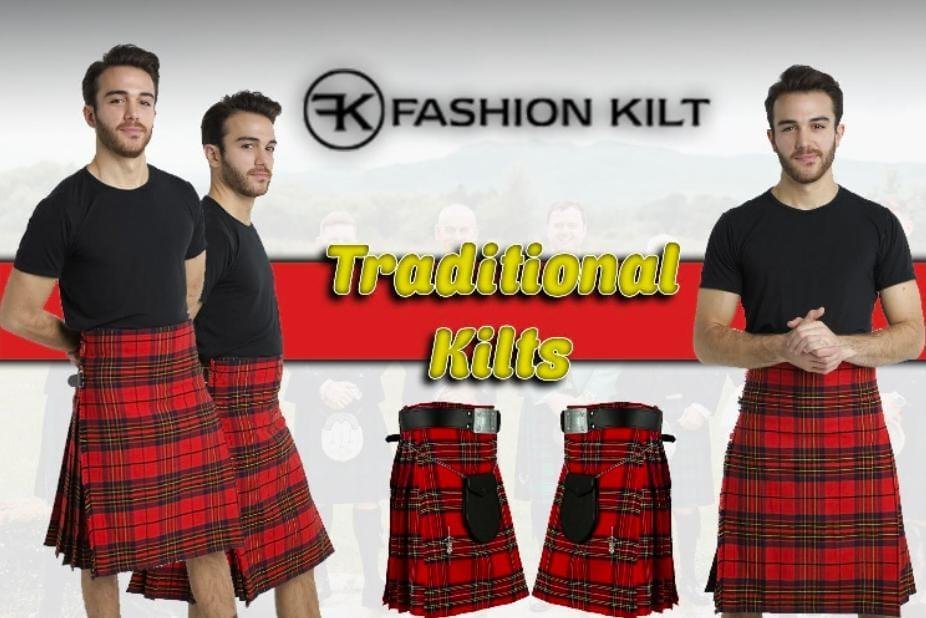
Kilts are iconic garments with deep cultural significance, particularly in Scotland. However, over time, kilts have evolved into different styles, most notably the traditional kilt and the warrior kilt. Each has its own unique features, purposes, and history. If you are trying to decide which one to wear, this guide will help you understand the differences and make an informed choice.
Understanding the Traditional Kilt
The traditional kilt is a quintessential symbol of Scottish heritage, deeply embedded in the country’s history and culture. Originating in the 16th century, traditional kilts were not merely articles of clothing but were also functional, serving as protection against the harsh Scottish weather. Made from heavy wool, these garments are crafted with great attention to detail, featuring pleats at the back and a flat, apron-style front. The fabric is usually woven into a tartan pattern, each design representing a specific Scottish clan, family, or region. Wearing a traditional kilt is a proud declaration of one’s ancestry, making it a staple at formal Scottish events such as weddings, Highland games, and national ceremonies. The traditional kilt is more than just attire; it is a statement of identity, linking the wearer to the history and traditions of Scotland.
Traditional kilt design centers on classic tailoring. Traditional kilts are pleated at the back and have a flat front, known as the apron. They usually require a range of accessories such as the sporran, a pouch worn at the front, a kilt pin, and sometimes even a sgian-dubh, a small knife worn in the sock. The traditional kilt is often accompanied by a belt, buckle, and kilt hose, which completes the full traditional attire.
Given its formal nature, the traditional kilt is best suited for ceremonial events or occasions where you wish to honor Scottish heritage. It is the go-to choice for weddings, Highland games, and official gatherings where the traditional look is appreciated and expected.
The main advantage of a traditional kilt is its cultural significance and the respect it commands in appropriate settings. However, it may not be the most practical choice for everyday wear, as it lacks modern conveniences like deep pockets and is usually heavier and less flexible than contemporary alternatives.
The Modern Warrior Kilt Explained
The warrior kilt represents a modern evolution of the traditional kilt, designed for those who appreciate the kilt’s heritage but require a garment that fits contemporary active lifestyles. Unlike traditional kilts, which are primarily made from wool, warrior kilts are crafted from lighter, more durable materials like cotton, polyester blends, or heavy-duty canvas. These kilts are engineered for practicality, featuring cargo pockets, adjustable straps, and reinforced stitching that make them ideal for rugged wear.
Warrior kilts are designed with the modern wearer in mind. They often include several large cargo pockets, making them ideal for carrying personal items without the need for additional accessories like a sporran. The design is typically more rugged, with reinforced hardware, metal buckles, and sometimes even modular attachment points like MOLLE webbing or tactical D-rings.
Warrior kilts are perfect for casual wear, outdoor activities, or situations where you need the flexibility and convenience of a more modern garment. Whether you are attending a music festival, working in the yard, or hiking on a rugged trail, the warrior kilt is a versatile option that blends historical aesthetics with modern utility.
The warrior kilt’s biggest advantage is its practicality. It is lighter, easier to move in, and equipped with built-in storage, making it a favorite among those who want to incorporate kilts into their everyday wardrobe. However, it does not carry the same traditional prestige as a classic tartan kilt and is generally inappropriate for formal ceremonies.
Design and Feature Comparison
Examining the structural design highlights how differently these two garments function in daily life.
| Feature | Traditional Kilt | Warrior Kilt |
|---|---|---|
| Primary Material | Heavy wool (tartan) | Cotton drill, polyester blends, canvas |
| Storage | Requires a sporran | Built-in cargo pockets and utility pouches |
| Best Suited For | Weddings, Highland games, formal ceremonies | Hiking, casual wear, work, festivals |
| Maintenance | Dry clean only | Machine washable |
The traditional kilt relies heavily on separate accessories to manage storage and decorum. In contrast, the warrior kilt integrates storage directly into the garment through side pockets and utility pouches.
Materials, Durability, and Climate Suitability
The materials used in traditional kilts and warrior kilts significantly impact their overall durability and suitability for different climates. Traditional wool kilts are renowned for their warmth, durability, and connection to Scottish heritage. Wool kilts are ideal for colder climates, offering natural insulation while retaining their structure over time. However, wool’s thickness and weight can make traditional kilts less practical in warmer weather, potentially leading to discomfort during extended wear in hot environments.
In contrast, warrior kilts are crafted from breathable fabrics like cotton twill or poly-cotton blends. These materials endure the rigors of daily wear while handling diverse temperatures. The synthetic fiber blends used in warrior kilts also make them far easier to clean and maintain, ensuring they remain a durable option for active lifestyles.
Care, Maintenance, and Cost Considerations
Proper upkeep and financial investment vary drastically between a wool heritage kilt and a utility garment. Traditional wool kilts require specialized dry cleaning to preserve the integrity of the tartan weave and hand-sewn pleats. They also represent a significant financial investment because authentic Scottish-made wool kilts involve meticulous handcrafting, alongside the purchase of supplementary accessories like kilt hose and sporrans.
Warrior kilts are generally much more budget-friendly and user-friendly in terms of maintenance. Because they are constructed from durable cotton or synthetic canvas, they can usually be washed in a standard home washing machine on a gentle cycle. Their lower initial purchase price and lack of required formal accessories make warrior kilts an accessible choice for casual wearers.
Which One Should You Wear?
Choosing the right kilt depends entirely on your personal lifestyle, planned activities, and the specific events you attend. If your priority is honoring ancestry at formal gatherings, a traditional wool tartan kilt is the appropriate garment. If your focus is everyday comfort, utility, and mobility during outdoor work or recreational events, a warrior kilt serves you much better. For readers looking into broader regional context regarding heritage attire, you can also explore what people think about traditional kilt in Scotland.
Frequently Asked Questions
Can you wear a warrior kilt to a formal Scottish wedding?
Formal Scottish weddings typically require a traditional wool tartan kilt and complete heritage accessories, making utility or warrior kilts too casual for the dress code.
Are warrior kilts comfortable for warm weather?
Warrior kilts made from lightweight cotton drill or breathable canvas offer excellent airflow, making them much more high-performing in high temperatures than heavy wool kilts.
Do you wear underwear beneath a traditional or warrior kilt?
Wearing underwear with a traditional kilt is a matter of personal preference and modern hygiene standards, whereas warrior kilts are almost universally worn with underwear due to their everyday utility design.
How do I wash a warrior kilt safely?
Most warrior kilts can be machine washed in cold water on a gentle cycle and hung up to dry, avoiding high heat to prevent shrinkage.
Why are traditional kilts so expensive?
Traditional kilts require yards of heavy wool tartan, precise pattern matching, and extensive hand-sewing by skilled artisans, which accounts for their higher price point.
Can I wear a warrior kilt for hiking and outdoor work?
Warrior kilts are specifically designed for active outdoor use, featuring durable fabrics and secure cargo pockets that easily accommodate tools or hiking gear.
Disclaimer: Kilt styles, fabric compositions, and specific design features can vary by manufacturer. Readers should verify final product specifications, care instructions, and sizing charts directly with official retail sources before making a purchase.


