
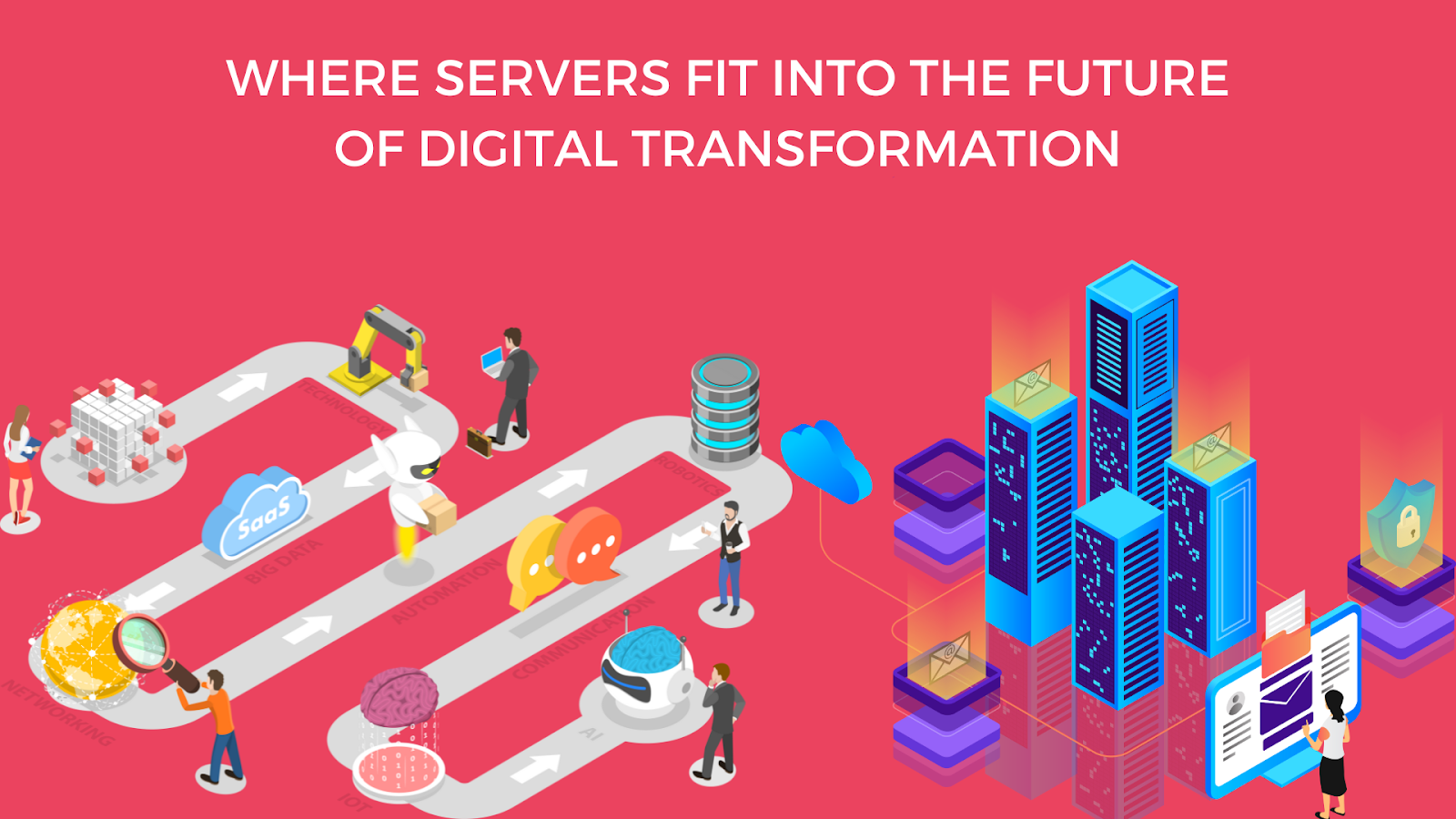
Where do physical servers fit in modern digital transformation initiatives? With cloud computing, edge solutions, and hybrid enterprise setups gaining widespread traction across industries, it is easy to assume traditional hardware is losing its relevance. In reality, servers have quietly evolved, becoming the resilient backbone of scalable digital operations while adapting to unique organizational demands.
Whether optimizing existing IT infrastructure or charting a long-term, future-proof strategy, understanding how modern servers complement cloud technologies ensures that digital transformation efforts remain agile, secure, and cost-effective.
Why Physical Servers Still Matter in a Cloud-First World
Physical servers remain foundational to digital transformation because they provide unmatched control, dedicated computing power, and robust security that pure cloud environments cannot always guarantee.
While public cloud platforms offer incredible scalability, running everything externally can introduce latency, compliance hurdles, and unexpected recurring expenses. Local server hardware gives organizations complete ownership of their operating environments. Hybrid models effectively blend cloud and on-premises infrastructure, enabling businesses to scale efficiently while maintaining strict data privacy. Server virtualization further optimizes physical infrastructure for cost-efficiency without compromising application performance.
Furthermore, maintaining local control allows enterprises to customize hardware configurations to suit specialized operational requirements. As organizations manage larger quantities of information, balancing physical hardware assets with external cloud subscriptions ensures that computing resources are deployed wherever they deliver the highest performance and financial return.
How Hybrid Cloud Architectures Balance Control and Scale
Hybrid cloud architectures bridge the gap between local data control and public cloud flexibility by allowing enterprises to distribute workloads strategically.
Businesses frequently move away from rigid, purely on-premises models in favor of hybrid setups that deliver the best of both worlds. Regulated sectors like healthcare and finance require stringent data privacy safeguards, making hybrid cloud deployment a practical necessity. These industries can store sensitive customer data securely on local server infrastructure while leveraging public cloud resources for elastic web applications or seasonal traffic spikes.
This dynamic integration allows internal teams to adjust data pathways seamlessly. When unexpected demand surges occur, cloud instances handle the overflow without requiring sudden capital investments in new physical units, preserving liquidity while maintaining uninterrupted service continuity for end users.
Powering AI, Edge Computing, and IoT Workloads
Modern servers must handle intense computational demands driven by artificial intelligence, machine learning, and sprawling internet-of-things ecosystems.
AI and machine learning models require massive processing power during both training and execution phases. Traditional CPU-centric setups are often paired with specialized GPU accelerators and high-speed NVMe server configurations to eliminate data bottlenecks. Furthermore, edge computing relies on local servers deployed near data generation points to process real-time information instantly for smart manufacturing facilities and automated logistics systems.
As connected devices multiply across enterprise environments, having localized processing power minimizes transmission delays. This capability is especially critical for mission-critical operations where even a fraction of a second of latency can impact safety, production quality, or service reliability.
Modern Security Frameworks Rooted in Server Infrastructure
Modern servers act as the frontline defense against sophisticated cyber threats by hosting robust security protocols and compliance frameworks at the hardware and operating system level.
As cyber risks escalate, servers provide a secure environment for enterprise firewalls, hardware-level encryption protocols, and multi-factor authentication systems. Organizations adopting Zero-Trust security architectures depend on server-level logging and continuous verification checks to ensure that no user or device is granted implicit network access. These capabilities help regulated companies satisfy stringent compliance mandates like GDPR and HIPAA without sacrificing operational speed.
Administrators can also implement automated patch deployment and strict access policies directly at the machine layer, minimizing vulnerabilities that could otherwise be exploited by external actors or unauthorized internal users.
Maximizing IT Budgets with Refurbished and Used Enterprise Hardware
Organizations can scale their data center capabilities cost-effectively by integrating reliable pre-owned and refurbished enterprise hardware into their strategic purchasing plans.
Purchasing brand-new enterprise equipment for every infrastructure upgrade can quickly strain corporate budgets. Savvy IT leaders turn to refurbished Dell servers, used Supermicro units, and surplus networking gear like used Cisco switches to expand their capacity while keeping capital expenditures manageable. Properly tested secondary-market hardware delivers dependable performance, ensuring that businesses stay productive and competitive without overspending.
In addition to upgrading data center hardware, businesses often streamline their administrative workflows through tools like a modern digital time clock system to optimize overall resource allocation.
Frequently Asked Questions
Are traditional physical servers becoming obsolete because of cloud computing?
No, physical servers are not obsolete; instead, they have evolved to work alongside cloud infrastructure in hybrid models to handle security-heavy and high-performance workloads.
What is a hybrid cloud architecture?
A hybrid cloud architecture combines local on-premises servers with public cloud services, giving organizations flexibility while keeping sensitive data under direct control.
Why do AI workloads require specialized server configurations?
Artificial intelligence workloads process massive datasets simultaneously, requiring high-performance components like NVMe drives and GPU accelerators to prevent performance slowdowns.
How do refurbished servers benefit growing businesses?
Refurbished enterprise servers allow companies to expand their computing capacity and maintain high reliability at a fraction of the cost of brand-new equipment.
What role do servers play in data security and compliance?
Servers host critical security layers, including firewalls, encryption keys, and Zero-Trust authentication tools, which help businesses meet regulatory standards like HIPAA and GDPR.
How does server virtualization improve operational efficiency?
Virtualization allows multiple virtual machines to run on a single physical server, maximizing hardware utilization and reducing unnecessary equipment purchases.
Disclaimer: Technology infrastructure trends and hardware availability change continuously. Organizations should verify specific compatibility, security requirements, and pricing details directly from official vendor sources before making major purchasing decisions.

Daniel J. Morgan is the founder of Invidiata Magazine, a premier publication showcasing luxury living, arts, and culture. With a passion for excellence, Daniel has established the magazine as a beacon of sophistication and refinement, captivating discerning audiences worldwide.


[…] modern enterprises modernize their underlying infrastructure, reviewing resources like our guide on server evolution in digital transformation offers helpful context on scalable network […]