

Introduction
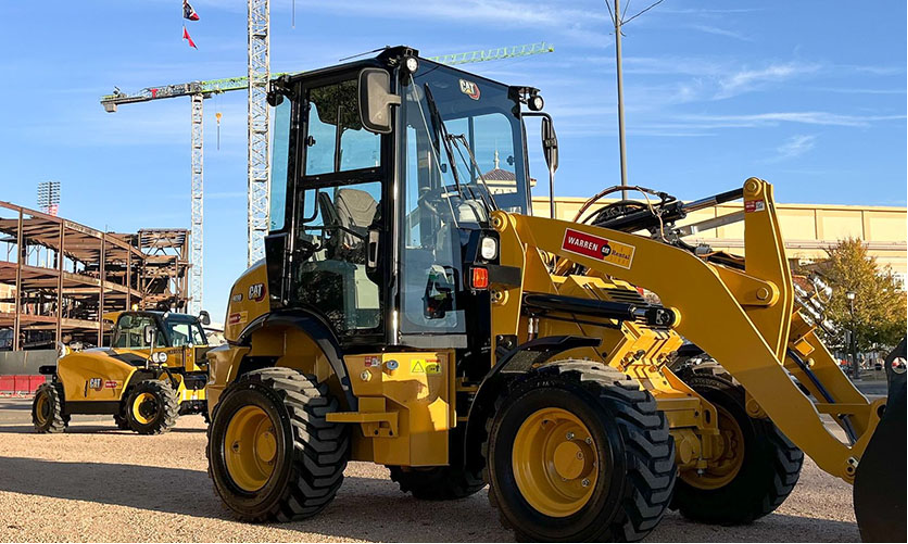
Construction managers constantly face a difficult balancing act between maintaining healthy project budgets and outfitting active job sites with reliable lifting machinery. Every commercial build or residential development requires careful capital planning right from the start. Deciding whether to buy heavy equipment or use temporary rentals is one of the most consequential financial choices a contractor will make. Telescopic handlers, commonly known as telehandlers, are versatile and indispensable for lifting, placing, and transporting materials across rough terrain. While owning a massive fleet sounds appealing on paper, acquiring heavy machinery often ties up vital operating capital. This guide explores why renting a telehandler could save you significant money on your next project by keeping cash flow flexible and shielding your business from unseen overhead.
Hidden Overhead of Ownership Versus Rental Rates
Owning heavy construction machinery involves substantial ongoing costs that extend far beyond the initial purchase price tag. When a company buys a machine outright, it absorbs immediate asset depreciation, annual property taxes, specialized insurance premiums, and long-term secure yard storage fees. Furthermore, moving heavy equipment between disparate job sites requires heavy-duty transport trucks and dedicated lowboy trailers, adding continuous logistical expenses. Rental agreements bypass these secondary financial liabilities completely because the supplier retains the burden of depreciation and storage. Project budgets absorb only the precise operational expenses tied directly to active utilization hours on the current job site.
Matching Reach and Lift Profiles to Project Phases
Construction demands shift rapidly from initial excavation and grading to framing, masonry work, and final exterior finishes. Relying on a single purchased machine often forces crews to compromise by using an oversized unit that burns excessive fuel or an undersized lift that fails to reach upper stories safely. Engaging equipment rental providers lets project directors swap machine specifications as structural needs evolve over time. Contractors can select exact boom lengths, lift capacities, and specialized attachments for a particular phase without carrying the financial weight of permanent ownership.
Leveraging Modern Telematics and Safety Technology
Modern rental fleets provide immediate access to the latest fuel-efficient engines and advanced load-moment indicators without requiring major capital investments. Newer machinery incorporates sophisticated telematics that track fuel burn, operator behavior, and service intervals to maximize daily efficiency. These high-tech features reduce idle time and enhance site safety, helping crews complete critical path tasks faster. Purchasing older used machinery often means missing out on these productivity-boosting innovations, which translates directly into higher labor costs over the course of a build.
Offloading Maintenance and Breakdown Risks
Mechanical failures on heavy construction sites cause expensive labor bottlenecks and stall critical path schedules. Equipment ownership forces internal repair crews to absorb routine maintenance, hydraulic hose replacements, tire wear, and unexpected engine repairs. Rental arrangements typically include comprehensive service guarantees where the provider dispatches mobile field mechanics or swaps out malfunctioning units immediately. This operational safety net protects project timelines and ensures that internal labor stays focused strictly on construction execution.
Evaluating When an Equipment Purchase Makes Financial Sense
Renting remains the superior financial choice for fluctuating workloads, but permanent purchase can make sense under specific high-utilization conditions. Contractors who operate continuous, year-round job sites where a machine runs near maximum capacity every single week often justify the capital expenditure of ownership. However, if a machine sits idle between project phases or is only needed for specific seasonal tasks, the carrying costs of ownership quickly outweigh the benefits. Calculating your projected annual utilization rate provides a clear mathematical baseline for choosing between leasing and buying.
Conclusion
Renting a telehandler offers compelling financial and operational advantages that help construction managers protect profit margins and optimize project workflows. By avoiding upfront purchase capital, escaping hidden ownership overhead, matching machine capabilities directly to job phases, and offloading maintenance risks, contractors position themselves for greater financial stability. Careful equipment planning ensures your next project finishes on time and within budget.
Frequently Asked Questions
Is insurance included when renting a telehandler?
Most rental agreements require the renter to provide proof of inland marine or general liability insurance covering leased equipment against theft, fire, or accidental damage on-site.
What factors determine the daily or monthly rental rate of a telehandler?
Rental rates depend primarily on the maximum lift height, maximum lifting capacity, machine age, local market demand, and whether specialized attachments like bucket loaders or truss booms are included.
Who is responsible for transporting the telehandler to and from the job site?
Rental yards typically handle transport logistics and heavy hauling for an additional delivery fee, though some contractors with proper heavy-duty trucks and trailers choose to haul the equipment themselves.
Are operators provided with a telehandler rental?
Standard equipment rentals include only the machine itself, meaning contractors must supply their own certified operators who hold the proper safety credentials and OSHA compliance training.
What happens if the rented telehandler breaks down during operation?
Reputable rental companies dispatch mobile service mechanics to repair the machine on-site or swap it out with a replacement unit to minimize project downtime.
How far in advance should I reserve a telehandler for my project?
It is best to reserve a telehandler at least a few weeks before your project starts, especially during peak construction season, to guarantee machine availability and secure preferred delivery dates.
For businesses looking to optimize overall capital allocation and organization across multiple sites, exploring solutions like why smart storage solutions can save you both time and money can yield additional operational efficiencies. Disclaimer: Equipment rental rates, availability, terms, and specifications vary by provider and region. Project managers should verify exact contract terms, insurance requirements, and machine capabilities directly with certified local equipment dealers before finalizing any rental agreement.


