

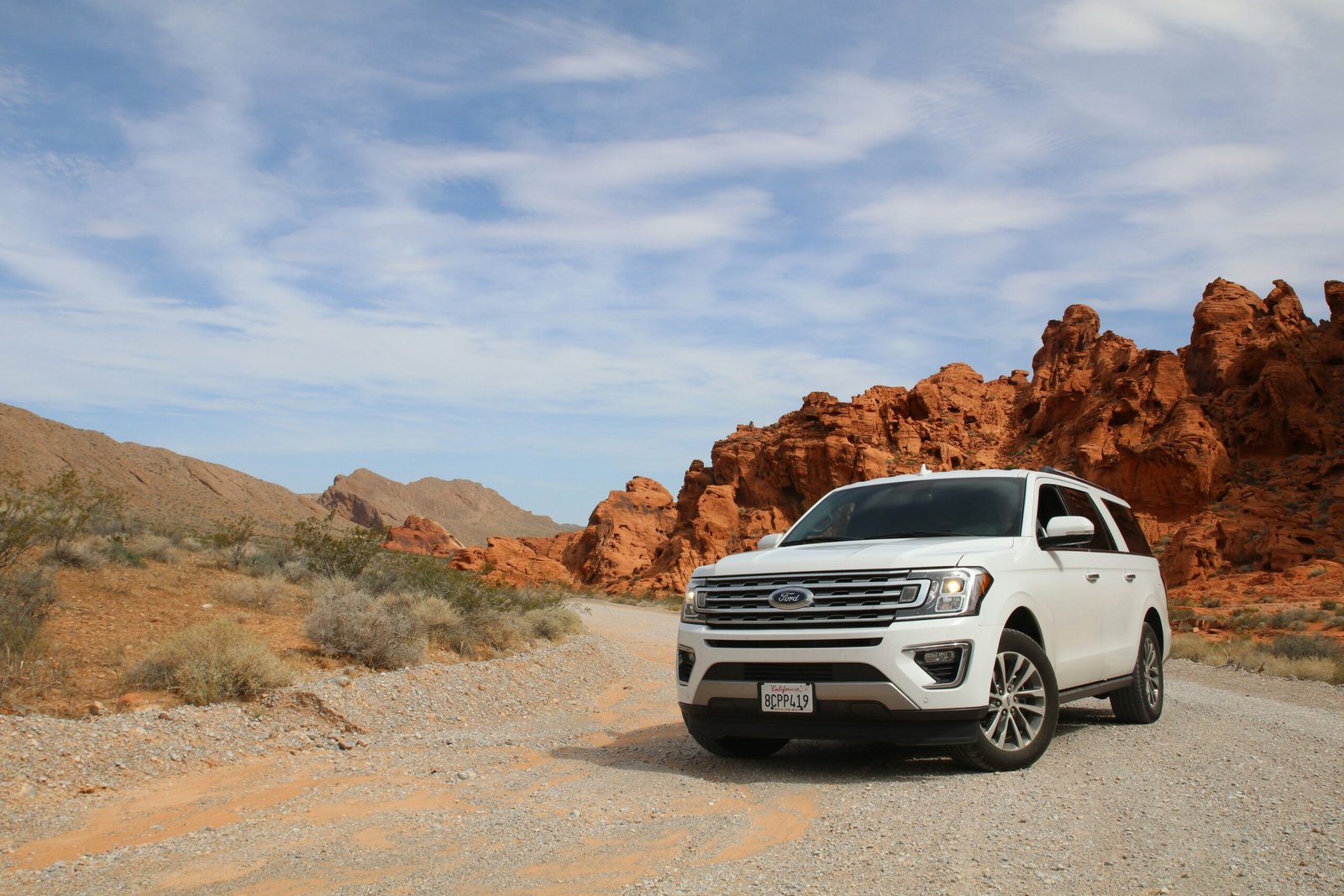
Photo by Sven D on Unsplash
Navigating high-density urban environments requires a vehicle that successfully bridges physical agility with practical everyday utility. Traditional sedans often sit too low to provide clear lines of sight past delivery trucks, while massive full-size utility vehicles turn routine grocery trips into parking nightmares. Choosing a compact vehicle tailored for metropolitan living transforms daily commutes and tight garage maneuvers from frustrating chores into manageable tasks. Understanding how a smaller footprint, specialized powertrain options, and modern driver aids work together helps clarify why these models dominate modern city streets.
Compact Footprints for Narrow Streets and Tight Alleys
Subcompact utility vehicles master narrow city corridors because their external dimensions easily clear the spatial limits that trap larger vehicles.
Driving down old downtown avenues flanked by double-parked delivery vans leaves very little room for error. Most subcompact models measure roughly 160 to 170 inches in total length, which gives drivers a distinct structural advantage when slicing through congested traffic lanes. This truncated body style prevents the rear corners from swinging too wide during sharp turns, making it significantly easier to navigate older urban grids without scraping curb stones or clipping stationary objects.
Mastering Parallel Parking in Crowded Neighborhoods
Parallel parking in dense residential areas becomes an effortless routine thanks to short overhangs and exceptionally tight turning radiuses.
Finding an open spot on a crowded Friday night often means sliding into a gap barely longer than the vehicle itself. Drivers behind the wheel of a smaller crossover can take advantage of spaces that standard mid-size SUVs must drive right past. Furthermore, a tight turning circle allows motorists to pivot cleanly into multi-story municipal garages and narrow underground parking structures without executing multi-point backup maneuvers.
Urban Powertrains: Balancing Efficiency and Charging Realities
City motorists must carefully weigh conventional gas engines, traditional hybrids, and pure battery-electric subcompact models against their daily charging access.
Stop-and-go commuter traffic heavily punishes traditional fuel economy, but lightweight hybrid configurations excel in these exact conditions by recycling braking energy. For urban dwellers who lack home garage access for overnight plug-in charging, traditional self-charging hybrids offer an ideal bridge. Meanwhile, fully electric subcompacts eliminate tailpipe emissions entirely for drivers who enjoy reliable workplace or street-side charging infrastructure. Anyone making the transition to a new city smooth should evaluate these fueling realities before committing to a specific daily driver.
Elevated Seating Positions for Maximum Urban Visibility
Sitting higher than a standard sedan provides critical spatial awareness when managing chaotic pedestrian foot traffic and sudden lane merges.
Low-slung passenger cars frequently trap drivers in visual blind spots created by larger vehicles and concrete roadside barriers. Elevating the driver’s seat by just a few inches creates a clearer forward perspective over preceding traffic. This enhanced vantage point lets motorists spot upcoming brake lights, cyclists weaving between cars, and pedestrians stepping out from behind parked vehicles long before they enter an immediate danger zone.
Smart Cabin Packaging and Flexible Cargo Layouts
Clever interior design allows compact cabins to swallow weekly grocery hauls and bulky apartment purchases without sacrificing passenger comfort.
Urban apartment living demands efficient storage solutions both at home and inside your vehicle. Split-folding rear seat configurations drop down completely flat to accommodate awkwardly shaped furniture boxes or recreational gear for weekend escapes. Deep door pockets, under-floor storage wells, and adjustable load floors keep daily essentials organized and out of sight. These thoughtful touches ensure that a smaller exterior footprint never translates into a cramped interior experience.
Essential Driver Assistance Tech for Metropolitan Hazards
Modern safety suites utilize multi-angle cameras and automated sensors to actively mitigate the everyday risks of crowded city streets.
Navigating busy downtown districts means reacting instantly to erratic driving behaviors and sudden obstacles. Rear cross-traffic alerts, 360-degree surround-view cameras, and automated emergency braking step in when visibility fails. Real-time navigation integrations also dynamically reroute drivers around unexpected construction zones and severe gridlock, minimizing time spent idling in urban traffic jams.
Frequently Asked Questions
What is the typical length of a subcompact SUV?
Most subcompact SUVs range between 160 and 170 inches in total length, making them significantly shorter and easier to park than mid-size alternatives.
Are subcompact SUVs difficult to parallel park in tight spaces?
No, their short overall body and sharp turning radius make slipping into tight parallel spaces much simpler than handling a larger vehicle.
Which powertrain works best for heavy city stop-and-go traffic?
Traditional hybrids and fully electric subcompact models excel in stop-and-go traffic by maximizing efficiency through regenerative braking and electric-only propulsion.
Do subcompact SUVs offer good outward visibility?
Yes, they provide an elevated seating position that allows drivers to see clearly over standard passenger cars and spot urban hazards early.
Is there enough cargo room in a subcompact SUV for grocery shopping?
Flexible rear seating and modular interior storage compartments provide surprising cargo volume despite the modest exterior footprint.
Are advanced safety features standard on these vehicles?
Most modern subcompact models include essential driver-assistance systems like rearview cameras, blind-spot monitoring, and automated emergency braking.
Disclaimer: Vehicle dimensions, fuel economy estimates, and available technology features vary by specific model and trim level. Readers should verify final specifications directly through official automotive manufacturers before making any purchasing decisions.


