

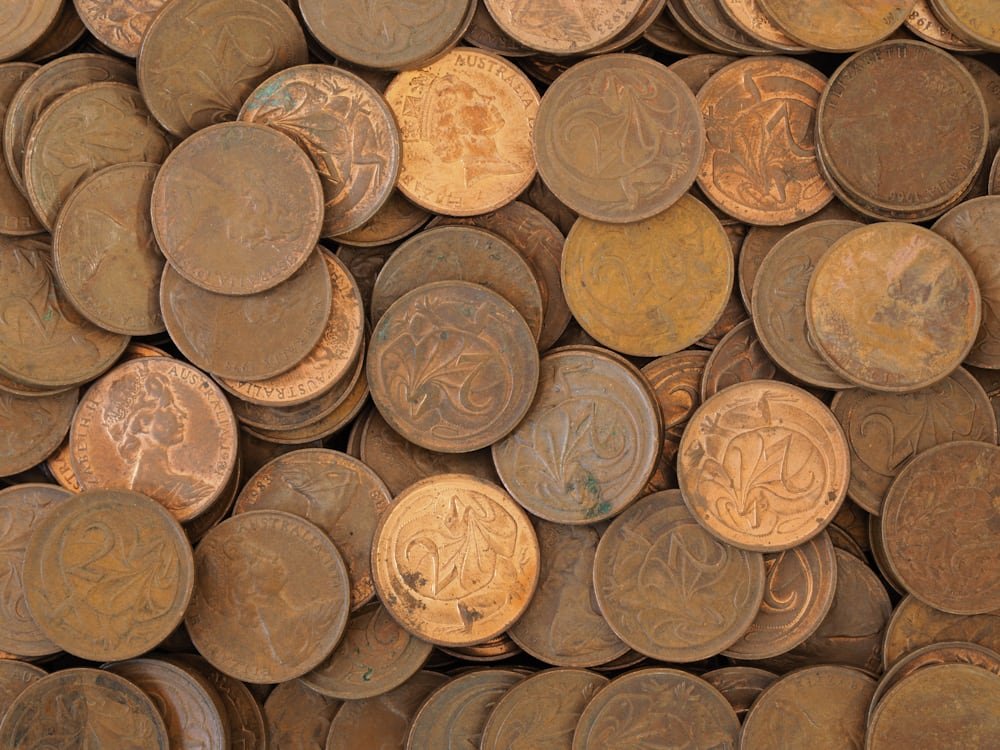
The global financial landscape offers numerous opportunities for investors looking to diversify portfolios beyond traditional equities. Among various raw industrial materials, the market for red metal commodities has garnered serious attention, particularly physical stockpiles and regulated futures trading. Copper stands out as a potentially lucrative asset class because electrical conductivity and thermal properties make the metal essential across multiple foundational industries, creating a market trajectory driven by urgent infrastructural needs.
Planning to invest in copper can be a strategic move for multiple economic reasons. Industrial copper is critical in modern urban construction, electrical power wiring, machinery manufacturing, and renewable power generation technologies. As economies worldwide continue to develop and embrace electrification, the demand for this versatile resource is poised to grow. By choosing to invest in these markets, participants position themselves to benefit from structural deficits and long-term price appreciation.
The Current State of Global Copper Inventories and Spot Pricing
Registered warehouse inventories across major global exchanges hover at historically low levels, signaling immediate tightness in physical metal availability.
Monitoring spot prices and exchange inventories reveals a market characterized by persistent physical tightness rather than casual oversupply. Warehouses managed by the London Metal Exchange and the CME Group frequently report depleted buffer stocks, forcing industrial consumers to compete fiercely for immediately deliverable material. When available stockpiles decline while manufacturing orders remain robust, spot prices experience sudden upward pressure. Understanding these inventory metrics helps active traders and long-term allocators gauge whether market conditions favor immediate positioning or cautious observation.
Why Mine Permitting Bottlenecks and Declining Ore Grades Limit Supply
Prolonged regulatory hurdles and diminishing mineral concentrations in legacy deposits prevent mining companies from ramping up production quickly.
Extracting copper ore is an expensive, capital-intensive endeavor that often takes a decade or more to bring a new greenfield extraction project from initial discovery to first commercial production. Existing deposits are also experiencing declining ore grades, meaning mining operators must process significantly more raw rock to yield the same amount of finished metal. Labor strikes, water shortages in key mining regions like South America, and shifting regulatory frameworks further complicate production schedules. These structural supply bottlenecks prevent producers from rapidly scaling output to match modern consumption needs, keeping the market fundamentally undersupplied.
How Artificial Intelligence Data Centers and Grid Electrification Lock in Demand
Massive electrical upgrades required for modern server farms and renewable power grids guarantee multi-year industrial consumption.
Unlike discretionary consumer goods, copper is a non-negotiable building block for the global energy transition and digital infrastructure. Electric vehicles require substantially more copper than traditional combustion-engine vehicles for high-capacity battery packs, internal wiring harnesses, and charging station networks. Furthermore, massive investments in electrical grid upgrades are required to handle intermittent renewable energy sources like wind and solar power. In addition to clean energy, the rapid expansion of technology facilities and artificial intelligence data centers requires extensive electrical wiring and cooling systems. These structural demand pillars ensure that industrial consumption remains high regardless of short-term economic hiccups.
Assessing Financial Instruments from Physical Metal to Mining Equities
Different investment vehicles allow market participants to gain exposure ranging from direct metal storage to corporate equities and leveraged futures.
Retail and institutional participants have several distinct avenues to add copper exposure to their holdings. Futures contracts offer direct exposure to metal prices with high leverage, but they require active management and careful margin monitoring. Exchange-traded funds provide a simpler, more diversified route by holding baskets of mining stocks or physical metal-backed assets without requiring contract rollovers. Buying shares in major mining corporations allows investors to benefit from operational dividends alongside commodity price gains, though company-specific management risks apply. Similar principles apply when evaluating corporate equities, and you can learn more about analyzing key stock metrics before investing to see how industrial producers fit into a broader portfolio strategy.
Managing Macroeconomic Volatility and Commodity Downside Risks
Potential pitfalls include sudden margin calls, broader economic slowdowns, and unforeseen geopolitical shifts that impact trade flows.
While the long-term investment thesis appears strong, commodity markets are inherently cyclical and subject to sharp corrections. A broader economic slowdown in major manufacturing economies can quickly dampen short-term demand expectations and depress spot prices. Futures trading carries the risk of substantial financial losses if margin requirements change unexpectedly or if positions are mistimed. Regulatory changes in mining jurisdictions, export taxes, or environmental restrictions can also impact producer profitability and market sentiment.
Frequently Asked Questions
Why is copper considered a good investment right now?
Copper is driven by structural supply deficits from aging mines and rising long-term demand from electric vehicles, renewable energy grids, and digital data centers.
What is the easiest way for beginners to invest in copper?
Beginners often start by purchasing shares of exchange-traded funds or major global mining companies, which avoids the complexity of trading futures contracts directly.
How does the energy transition affect copper demand?
Green technologies like wind turbines, solar installations, and electric vehicles require significantly more copper wiring and components than traditional fossil-fuel systems.
Is copper an effective hedge against inflation?
As a finite tangible asset with essential industrial uses, copper tends to retain its intrinsic value during periods of currency fluctuation and rising inflation.
What are the primary risks of trading copper futures?
Futures trading involves leverage, meaning sudden price drops can trigger margin calls and potential losses that exceed initial expectations.
How long does it take to open a new copper mine?
Due to strict environmental reviews, permitting processes, and heavy capital requirements, developing a new commercial copper mine often takes a decade or longer.
Disclaimer: This article is for informational purposes only and does not constitute financial or investment advice. Commodity markets carry inherent risks, and readers should consult qualified financial professionals and verify all details from official market sources before making investment decisions.


