

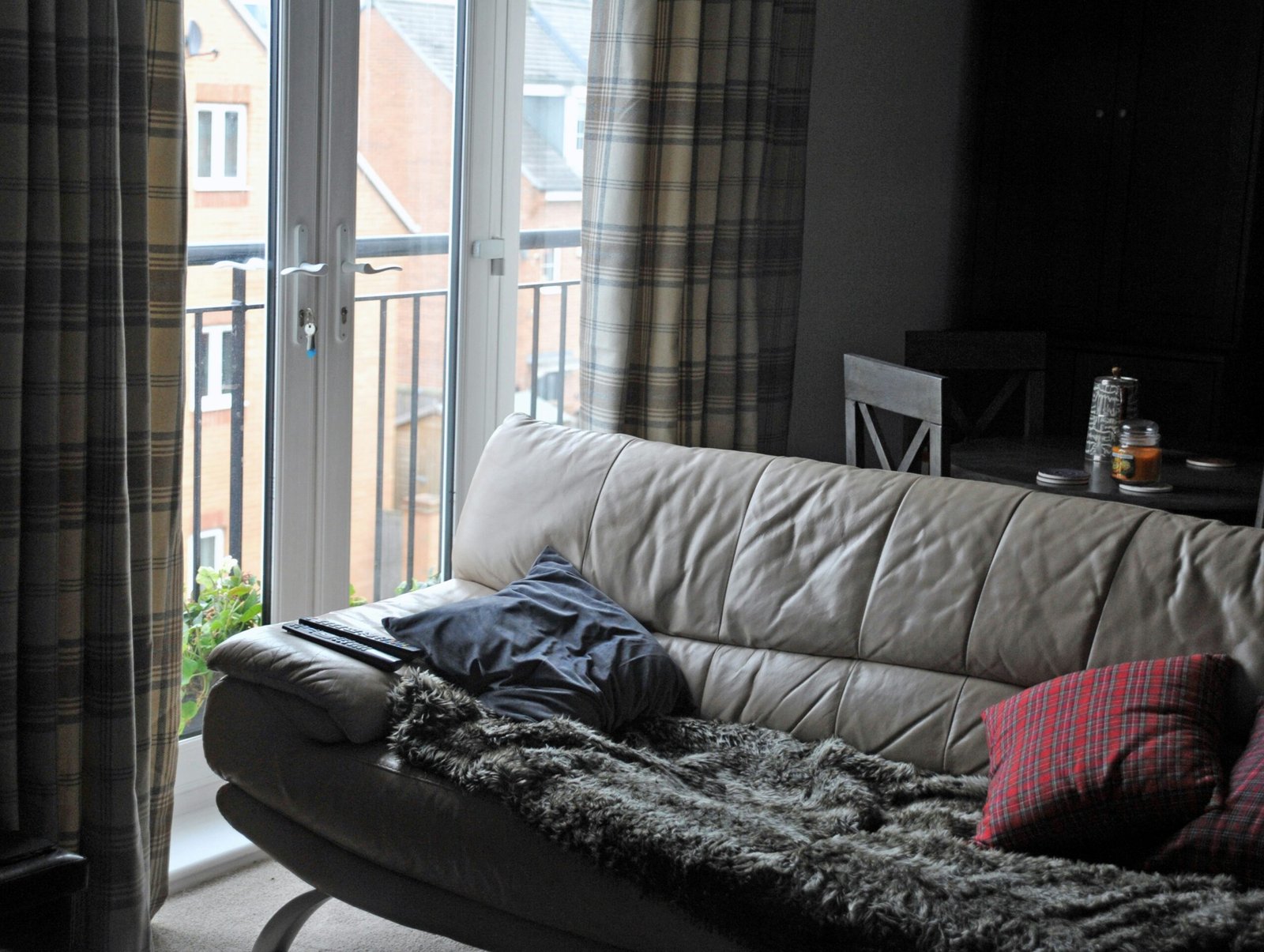
Photo by Jacqueline O’Gara on Unsplash
A two-seater leather sofa serves as a distinctive statement piece in smaller lounges, studio apartments, or dedicated reading spaces. Because of its compact footprint, every square inch of surface area experiences heavier concentrated contact compared to larger sectional configurations. Maintaining its polished appearance requires mindful habits that respect the specific tanning and finishing of the hide.
Preserving fine leather involves balancing regular surface cleaning with protective environmental measures. Everyday friction from daily sitting, body warmth, and ambient indoor dryness can gradually sap natural oils from the material. Implementing a structured maintenance routine protects your investment and ensures the hide remains supple, clean, and visually refined over years of daily use.
Identifying Your Hide Finish Before Cleaning
Before applying any conditioning cream or liquid cleaner to your two-seater leather sofa, determine whether the hide is protected, semi-aniline, or pure aniline.
Protected leathers feature a pigmented polymer surface layer that resists water beads and minor spills quite well. Semi-aniline finishes maintain a soft touch while incorporating light surface treatments for moderate stain defense. Pure aniline leathers are completely natural, highly porous, and lack protective coatings, meaning they require delicate, specialized treatment to avoid permanent water spotting. Checking your manufacturer specifications prevents harsh detergents from stripping expensive natural dyes.
Weekly Dusting and Crevice Grit Removal
Dusting your two-seater leather sofa on a weekly schedule prevents microscopic abrasive particles from embedding into the grain.
Every time someone sits down, fine dust trapped between cushions creates micro-friction that slowly wears away protective topcoats. Use a dry, soft microfiber cloth to wipe down all visible seating panels, backrests, and exterior frames. Follow this by vacuuming the tight seams and tufted crevices using a soft brush attachment on low suction to safely extract hidden crumbs and grit.
Managing Accidental Spills Without Causing Water Damage
Acting quickly and calmly when liquids spill on a compact leather loveseat prevents stains from setting permanently into the pores.
Blot the excess liquid immediately with a clean, dry, light-colored cloth or absorbent paper towel by pressing straight down rather than wiping. Never scrub the damp area, as friction forces moisture deeper into the grain and expands the affected zone. If a sticky residue lingers, use a lightly dampened cloth with a tiny drop of mild, additive-free soap before drying the spot thoroughly.
Conditioning Schedules Tailored to Daily Usage
Applying leather conditioners helps replenish natural emollients, but the frequency depends entirely on environmental conditions and seating frequency.
While generic advice suggests conditioning every six to twelve months, a heavily used compact loveseat positioned in a sunlit corner requires more vigilant moisture care. Always perform a spot test with any new conditioning product on a hidden underside flap to confirm that it does not darken or alter the leather hue.
Targeted Defense for Armrests and Seating Edges
Focusing preventative care on high-friction touchpoints prevents premature wear on compact two-seater furniture layouts.
The narrow armrests and the front-facing seams of seat cushions accumulate skin oils, sweat, and friction faster than any other section. Wiping down these specific contact zones weekly with a damp microfiber cloth removes body oil accumulations before they discolor or degrade the protective finish.
Combating Modern Indoor Climate and Heat Vents
Environmental factors inside modern homes play a major role in keeping a two-seater leather sofa from drying out or splitting.
Positioning your seating away from direct sunlight prevents UV rays from fading pigments and shrinking the hide. Additionally, forced-air heating vents, woodstoves, and radiant floor heating systems can rapidly dehydrate indoor air and draw moisture right out of leather furniture during colder months.
Knowing When to Engage Professional Leather Technicians
Deep-seated stains, severe pet claw punctures, or advanced cracking often surpass what standard at-home maintenance kits can safely correct.
Recognizing the limits of DIY care prevents amateur cleaning attempts from turning minor cosmetic blemishes into permanent structural damage. Certified leather restoration specialists utilize professional pigment correction tools and specialized balancing agents to safely revive tired upholstery.
Proper furniture upkeep goes hand in hand with general household care; for instance, following practical guidelines for appliance and home maintenance ensures a clean and well-balanced living space overall.
Frequently Asked Questions
Can I use standard household disinfecting wipes on my leather loveseat?
Most standard disinfecting wipes contain alcohol and harsh chemical solvents that strip away protective topcoats, leading to severe drying and cracking. Always rely on dedicated leather-safe cleaning solutions or damp microfiber cloths.
How often should I vacuum the crevices of a compact sofa?
Vacuuming the seams and crevices once a week with a soft brush attachment is ideal for preventing abrasive dust and pet hair from building up in tight spaces.
What is the safest way to remove pet scratches from protected leather?
Minor surface scratches can often be minimized by gently buffing the area with your finger’s natural oils or applying a microscopic dab of matching conditioning balm. Deeper gouges require professional repair compounds.
Why does my leather seat feel sticky during humid weather?
A sticky texture usually stems from accumulated body oils, perspiration, or residue left behind by improper cleaning products. Wipe the surface clean with a mild soap solution and dry it completely.
Can I place my leather furniture near a radiator or floor vent?
Placing your sofa near direct heat outlets will rapidly pull natural moisture out of the hide, causing the leather to shrink, stiffen, and crack prematurely.
How should I handle accidental ink marks on fine leather?
Ink stains require prompt attention using specialized leather ink remover pens or professional intervention, as DIY rubbing alcohol tricks often strip surrounding dye.
Are general indoor climate practices important for leather longevity?
Yes, keeping stable humidity levels and avoiding extreme temperature fluctuations protects all fine wooden and leather furnishings in your home.
Consistent, gentle attention ensures your two-seater leather sofa remains a durable, elegant centerpiece in your living space for years to come. Thoughtful daily habits protect the natural texture far better than aggressive chemical treatments.
Disclaimer: Leather care requirements vary based on tanning methods, pigment types, and furniture age. Always verify cleaning approaches against manufacturer instructions or test products on a hidden patch before full treatment.

Daniel J. Morgan is the founder of Invidiata Magazine, a premier publication showcasing luxury living, arts, and culture. With a passion for excellence, Daniel has established the magazine as a beacon of sophistication and refinement, captivating discerning audiences worldwide.


