

Customer experience directly connects to brand loyalty, purchasing decisions, and long-term business growth across every competitive sector. For the technology industry, where rapid innovation and high customer expectations rule the market, delivering an exceptional experience is central to success. Modern consumers and enterprise buyers expect smooth interactions whether they are browsing a software product on a mobile phone, reading technical documentation on a tablet, or talking to a sales representative on a desktop.
Omnichannel marketing strategies play an essential role by providing users with seamless continuity across multiple digital touchpoints to form a unified experience with the brand. This comprehensive guide explains 12 key ways in which omnichannel strategies enhance customer experience in tech marketing and revolutionize the way technology companies engage, serve, and retain their audiences.
Decoding the Architecture of Connected Software and Hardware Ecosystems
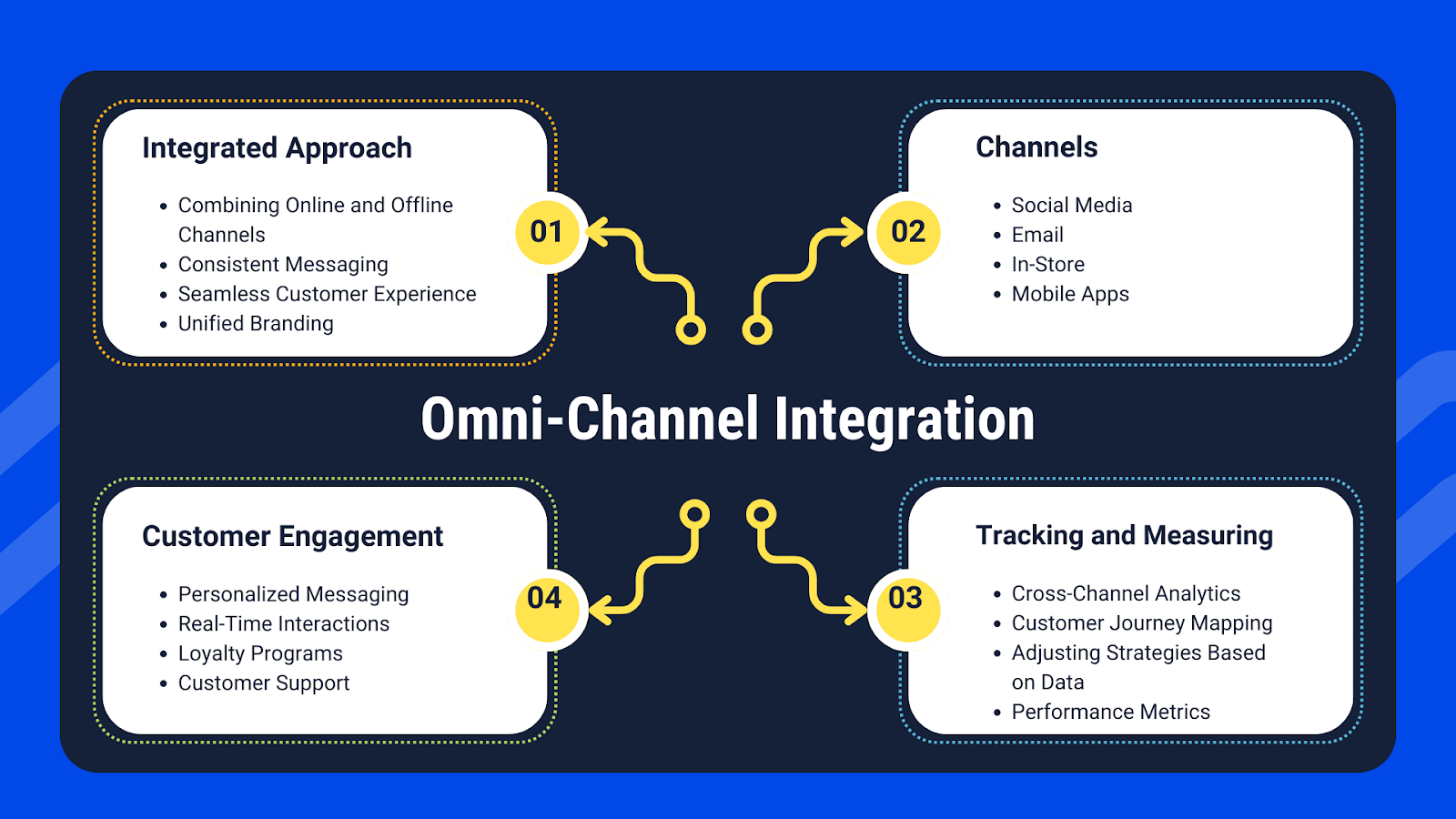
Omnichannel marketing in the technology sector integrates online, offline, mobile, and in-app channels into a single, cohesive ecosystem where data flows freely between touchpoints. Unlike older multichannel approaches that treat each platform as an isolated silo, an omnichannel strategy coordinates every interaction so that a user can transition from a mobile app search to a desktop demo without missing a single step. For software and hardware companies alike, this connected approach removes friction, accelerates decision-making, and creates measurable business growth.
A unified view of the customer enables support agents and sales teams to access complete interaction histories instantly. This capability reduces user frustration and enhances overall satisfaction by resolving technical issues faster and more efficiently. In technology marketing, where clients often need quick and precise answers, omnichannel solutions ensure that every stakeholder feels valued and understood at every point of contact.
Bridging Device Divides Across Multi-Screen Software Evaluation
Connecting user devices ensures that switching between channels never results in lost context or interrupted progress. Technology consumers frequently initiate their research on a smartphone during a commute, review technical specifications on a tablet during a lunch break, and complete a software purchase or enterprise subscription on a desktop computer. Omnichannel frameworks maintain session states and user preferences across all these devices, delivering a smoother journey that minimizes frustration and keeps potential buyers engaged.
Unlocking Behavioral Insights via Customer Data Platforms
Advanced omnichannel systems collect and synthesize data from every customer touchpoint, empowering technology brands to deliver highly tailored content and product recommendations. Data-driven personalization provides users with relevant documentation, appropriate software add-ons, and customized communication styles that match their technical proficiency. This level of individual attention makes customers feel genuinely understood and valued by the technology provider.
- Targeted software feature suggestions based on usage patterns
- Customized communication preferences ranging from technical deep dives to executive summaries
- Automated follow-ups that support users through critical onboarding milestones
Dismantling Support Barriers for Accelerated Technical Resolution
Integrated support systems allow customer service teams to monitor ongoing conversations across chat, email, phone, and social media without forcing users to repeat themselves. Technical buyers and IT administrators expect quick resolutions when troubleshooting software bugs or deployment issues. By maintaining a single source of truth across support channels, technology brands provide consistent, informed service that respects the customer’s time and expertise.
Amplifying Brand Advocacy Through Synchronized Multi-Touch Campaigns
Interacting with technology brands across numerous touchpoints encourages users to share helpful resources, product updates, and insightful articles with their peers and professional networks. Omnichannel strategies allow marketing teams to coordinate messages across social media, in-app notifications, newsletters, and community forums. This multi-touch presence helps technology brands capture attention, build sustainable loyalty, and remain top-of-mind for active tech professionals.
Enforcing Visual and Structural Cohesion Across Digital Interfaces
Maintaining a uniform brand image across every digital touchpoint is vital for establishing credibility in the technology marketplace. Omnichannel marketing enables technology companies to execute consistent visual branding, messaging, and tone of voice from the initial marketing landing page all the way into the core software interface. This consistency communicates core company values and fosters deep trust among security-conscious buyers and enterprise decision-makers.
Mining Cross-Channel Analytics for Strategic Product Optimization
Omnichannel marketing relies heavily on centralized data gathering and insight generation at each touchpoint, helping technology brands understand complex user behaviors and preferences. Analyzing how users move from whitepapers to product demos provides product managers and marketers with clear signals on how to optimize software features, pricing tiers, and service methods. Much like evaluating corporate performance metrics helps investors understand business health, tracking cross-channel data reveals the true health of a tech marketing funnel.
Optimizing Mobile Infrastructure for On-the-Go IT Leaders
Optimizing mobile platforms is essential because many modern developers, IT leaders, and tech consumers manage workflows directly from smartphones and tablets. A successful omnichannel approach ensures that mobile access to account dashboards, support ticketing systems, and product documentation is fast, responsive, and fully functional. This mobility allows tech-savvy users to manage critical tasks from anywhere without being chained to a physical office desk.
Constructing Agile Feedback Loops Using Real-Time Signal Processing
Omnichannel systems aggregate multiple feedback sources immediately, giving technology brands the ability to respond to user input and refine their campaigns in real time. This agile approach to customer feedback enhances overall satisfaction because users see that their voices are heard and acted upon quickly by product and marketing teams.
Incentivizing Enterprise Advocacy Through Cross-Platform Loyalty Frameworks
Omnichannel loyalty programs provide structured incentives across digital platforms, offering exclusive rewards that strengthen long-term customer retention. Technology brands utilize these programs to grant access to beta features, advanced educational content, and specialized developer tools. These exclusive perks create a lasting connection between the user and the brand beyond basic software utility.
Streamlining Help Desk Workflows via Unified Backend Architectures
Integrated backend architectures support customer service and technical success teams by delivering rapid answers and streamlined troubleshooting paths. Representatives can easily review a customer’s software version, previous support tickets, and marketing interaction history before responding. This deep context translates into faster problem resolution, lower customer effort scores, and significantly enhanced satisfaction.
- Significantly reduced wait times for technical support inquiries
- Comprehensive user history accessible instantly by all support tiers
- Consistent problem-solving procedures maintained across email, chat, and phone
Future-Proofing Go-to-Market Strategies for Emerging Digital Channels
New communication channels and social platforms emerge continuously within the dynamic technology landscape. An omnichannel framework allows brands to adopt new channels easily based on shifting consumer preferences, keeping the company aligned with modern tech trends without disrupting existing marketing workflows.
Frequently Asked Questions
What is the difference between omnichannel marketing and multichannel marketing?
Multichannel marketing uses multiple separate platforms independently, whereas omnichannel marketing integrates all those channels into a single, cohesive experience where data flows freely between touchpoints.
How does an omnichannel strategy improve insights for technology companies?
An omnichannel strategy captures interaction data from every customer touchpoint, providing a unified view of user behavior, product preferences, and engagement patterns.
Is omnichannel marketing necessary for technology startups?
Yes, adopting omnichannel marketing early enables tech startups to unify messaging across platforms and build stronger, more reliable customer loyalty from day one.
What role do customer data platforms play in omnichannel tech marketing?
Customer data platforms collect user information from various sources to create single profiles, allowing marketers to deliver precise personalization and targeted software recommendations.
How does omnichannel support impact technical customer service?
It allows support agents to view complete customer histories across all channels, eliminating the need for users to repeat themselves and speeding up technical issue resolution.
Can omnichannel marketing adapt to new social and communication platforms?
An omnichannel framework is designed to be modular, making it straightforward for brands to integrate emerging communication channels as consumer habits evolve.
What are the primary business benefits of an omnichannel approach in tech?
Primary benefits include improved customer retention, reduced support friction, enhanced data-driven personalization, and a more consistent brand identity.
Conclusion
Omnichannel strategies continually transform customer experience in tech marketing by enabling brands to offer seamless, consistent, and personalized interactions. By connecting digital platforms, leveraging real-time data, and adapting swiftly to new communication channels, technology companies can stand out in crowded markets. Implementing an omnichannel approach is more than a marketing advantage; it is a fundamental pathway to sustainable success and customer loyalty in the digital age.
Disclaimer: Marketing strategies, software tools, and digital platforms evolve continuously. Tech marketing professionals should verify platform-specific features and implementation guidelines against official sources before launching omnichannel campaigns.

Daniel J. Morgan is the founder of Invidiata Magazine, a premier publication showcasing luxury living, arts, and culture. With a passion for excellence, Daniel has established the magazine as a beacon of sophistication and refinement, captivating discerning audiences worldwide.


