

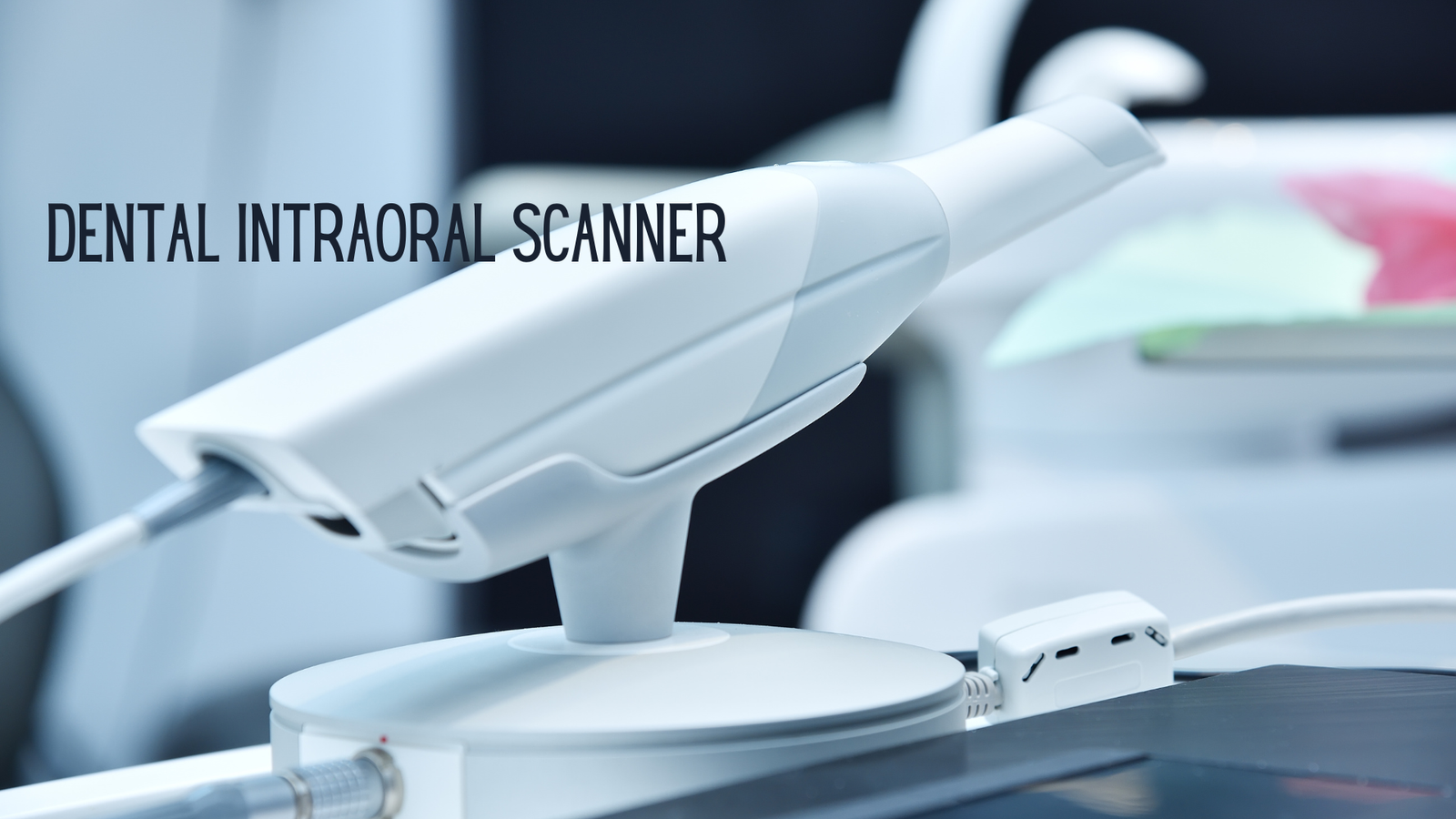
Choosing the right dental intraoral scanner is a major operational milestone for any modern dental practice aiming to replace messy traditional impressions with clean, accurate digital workflows. Because the market features numerous wand designs, capture technologies, and software licensing models, evaluating each system requires looking closely at how it handles daily procedures. A dependable dental 3D scanner speeds up chairside operations, improves crown and bridge margins, and helps dentists communicate more effectively with commercial dental laboratories. Beyond high-tech specifications, practical factors like wand ergonomics, software flexibility, and vendor support determine whether the device truly enhances daily patient care.
Assess Your Practice Workflow and Core Procedures
Matching scanner capabilities to daily clinical needs, such as crown and bridge procedures, clear aligner therapy, or full-arch implantology, prevents overspending on unneeded hardware features. Practices focusing heavily on orthodontics require lightning-fast full-arch capture speeds and reliable stitching algorithms, while restorative-focused offices demand ultra-high marginal precision for single-unit and multi-unit fixed prosthetics. Before making a purchasing decision, evaluate which specific procedures represent the largest percentage of your weekly schedule. Consulting with dental assistants and hygienists ensures that the physical wand size and software interface match your team’s everyday clinical habits.
Evaluate Image Quality, Accuracy, and AI-Driven Software
High-resolution image capture and intelligent capture algorithms directly impact restorative margins, marginal fit, and overall treatment success. Modern dental intraoral scanners utilize advanced optical sensors and true-color rendering to distinguish between hard tooth structure and soft gingival tissues with high fidelity. Many contemporary systems incorporate automated soft tissue filtering, which instantly removes tongue and cheek artifacts from the digital dataset without requiring manual post-processing deletion. High scanning accuracy minimizes the need for physical impressions and reduces costly chairside adjustments during final crown cementation. Review independent clinical comparisons and manufacturer accuracy data to gauge how reliably a scanner performs across complex full-mouth scans.
Understand Open Versus Closed Architecture and Software Integration
Clarifying the critical differences between open systems that export standard STL or PLY files and closed proprietary ecosystems prevents long-term workflow lock-in. An open architecture dental intraoral scanner allows practices to send digital impression files to any preferred dental laboratory or import data directly into third-party computer-aided design software. Closed systems, by contrast, link the scanner directly to a specific manufacturer’s proprietary milling units, closed cloud networks, or specialized software suites. While closed systems offer streamlined plug-and-play environments for single-brand offices, open systems provide greater flexibility and freedom of choice as your practice technology evolves.
Factor in Speed, Ergonomics, and Chairside Efficiency
Wand weight, mirror tip sizing, and rapid capture speeds directly reduce patient chair time and operator fatigue during long appointments. A lightweight intraoral scanner feels balanced in the hand, which helps prevent hand strain when scanning multiple arches throughout a busy clinical day. Fast scanning speeds mean less time holding the scanner tip inside the patient’s mouth, greatly improving comfort for individuals with strong gag reflexes or limited opening capacity. Look for devices that offer anti-fogging technology on the mirror tips, as continuous fogging disrupts the scanning process and slows down the clinical team.
Calculate Total Cost of Ownership: Hardware, Subscriptions, and Upgrades
Breaking down upfront device costs alongside ongoing software license renewals, cloud storage fees, and required calibration accessories reveals the true financial commitment of an intraoral scanner. Some manufacturers charge perpetual licensing fees, while others require annual software subscription renewals to maintain access to cloud export portals, updates, and customer support. Factor in potential costs for replacement scanning tips, computer hardware upgrades, and routine maintenance when budgeting for your practice investment. Evaluating these long-term expenses helps dental practices achieve a realistic return on investment over the lifetime of the equipment.
Prioritize Manufacturer Support, Training, and Software Updates
Robust onboarding, responsive technical support, and regular over-the-air firmware upgrades ensure that your practice gets the most value out of its technology investment. Implementing a new dental intraoral scanner requires comprehensive training for every member of the dental team to ensure smooth adoption. Verify whether the supplier offers hands-on clinical training, virtual onboarding webinars, and ongoing troubleshooting support when technical issues arise. Reliable manufacturer support minimizes unexpected downtime and keeps your clinical schedule running efficiently.
As you refine your equipment choices and evaluate new technologies, you may also want to explore our guide on selecting proper replacement parts and restorations to complement your new digital workflow.
Frequently Asked Questions About Dental Intraoral Scanners
What is the learning curve for staff using a dental intraoral scanner?
Most dental assistants and practitioners can master basic scanning techniques within a few days of hands-on practice, though achieving high-speed proficiency typically takes a few weeks of daily clinical use.
Can I send digital scans from an open-architecture scanner to any dental lab?
Yes, open-architecture scanners export standard open file formats like STL, PLY, or OBJ, which can be emailed or uploaded securely to any partner dental laboratory worldwide.
Do intraoral scanners require special computer hardware?
Intraoral scanners require powerful dedicated laptops or cart-mounted processing units equipped with high-end graphics cards and sufficient RAM to process real-time 3D rendering smoothly.
Are powder-free scanners standard in modern dental practices?
Almost all modern intraoral scanners operate entirely powder-free, using advanced optical technology to capture tooth structure directly without applying titanium dioxide powder.
How often do intraoral scanner tips need to be replaced?
Scanning tips are subject to wear and tear from repeated high-temperature autoclave sterilization, meaning tips typically need replacement after a specified number of sterilization cycles recommended by the manufacturer.
What maintenance is required to keep a scanner accurate?
Routine maintenance includes keeping the optical glass clean, disinfecting the wand body between patients, and performing periodic software calibration checks using manufacturer-supplied calibration tools.
Disclaimer: Dental technology specifications, pricing models, software integrations, and warranty terms change frequently. Dental practices should verify final technical details and pricing directly with official manufacturers or authorized distributors before making any purchasing decisions.


