
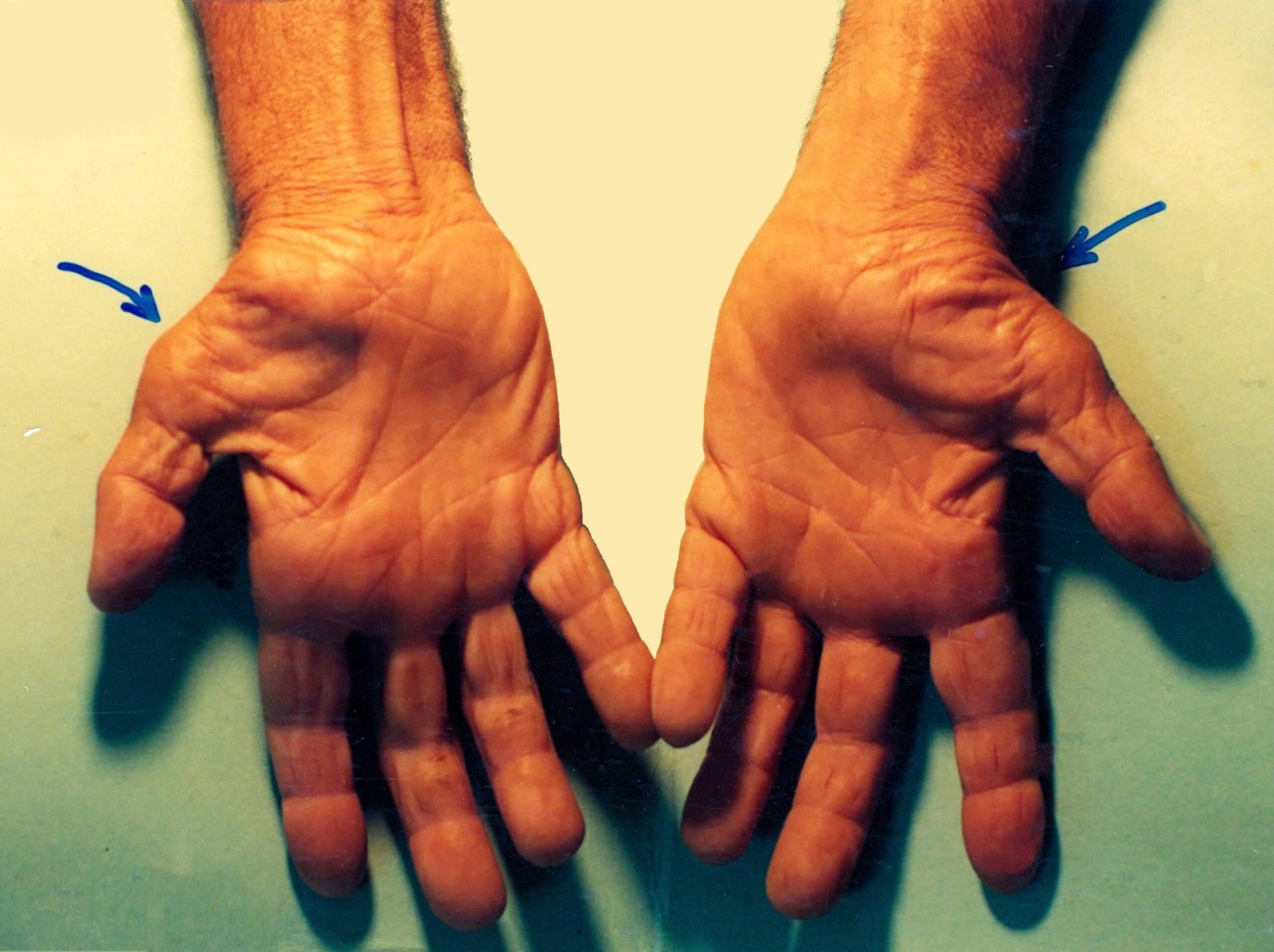
The carpal tunnel is a narrow, rigid passageway made of bones and ligaments situated right on the palm side of each human wrist. Running straight through this tight enclosure is the median nerve, which provides sensory feedback and motor control for your thumb, index finger, middle finger, and half of your ring finger. When repetitive hand strain, inflammation, or fluid retention narrows the space, the surrounding bones and ligaments press tightly against the median nerve. This direct physical squeeze is what doctors call carpal tunnel syndrome.
Millions of people worldwide experience this uncomfortable hand condition, making it one of the most widespread repetitive strain disorders diagnosed today. While extensive computer typing and desk work are classic triggers, musicians, assembly line operators, and craftspeople also encounter it frequently. Recognizing early warning signs of median nerve compression gives you the opportunity to make smart adjustments before your hand discomfort turns into a chronic daily issue.
How Wrist Anatomy Triggers Median Nerve Squeezing
Chronic pressure on the median nerve disrupts the normal electrical signals traveling from your wrist down into your fingers.
Your wrist joint packs tendons and nerves into an exceptionally compact area with very little room to spare. Any sudden swelling in the tendon linings quickly crowds the median nerve because the transverse carpal ligament above it does not stretch. This confined environment explains why even minor postural changes, supportive wrist braces, and ergonomic shifts can produce noticeable relief in everyday hand irritation.
The Three Main Indicators of Median Nerve Compression
The primary symptoms of carpal tunnel syndrome usually develop gradually over time, frequently targeting your dominant hand first before showing up in the other.
1. Persistent Finger Tingling
A prickly sensation in the fingers—typically hitting the thumb, index, middle, and ring fingers while leaving the pinky entirely alone—serves as the classic warning flag. This annoying feeling often flares up when holding a steering wheel, gripping a smartphone, or reading a heavy book. Over time, that mild pinprick can sharpen into an electric shock sensation that darts straight into your palm.
2. Hand and Finger Numbness
As median nerve compression worsens, intermittent tingling frequently transitions into complete numbness across the affected digits. Many sufferers wake up during the middle of the night with a dead-feeling hand, instinctively shaking or dangling their wrist to restore blood flow and feeling. Medical professionals refer to this spontaneous shaking action as the flick sign.
3. Grip Weakness and Dropping Objects
Compressed median nerve pathways eventually sap strength from the muscles at the base of your thumb, reducing your overall hand power. This muscle fatigue makes delicate tasks frustrating and causes you to unexpectedly drop coffee cups, keys, or phones. If your grip feels consistently unreliable, your hand is signaling that nerve irritation has moved past a simple inconvenience.
Easy Self-Assessment Checks to Try at Home
You can perform a couple of straightforward physical checks at home to see if your hand symptoms match standard carpal tunnel patterns.
One common method is the Phalen maneuver, where you gently press the backs of both hands together with your wrists pointing downward at a ninety-degree angle for sixty seconds. If this posture recreates your familiar finger numbness or tingling within a minute, median nerve compression is a strong possibility. Another option is Tinel’s sign, which involves lightly tapping over the front of your wrist right above the crease to see if a brief electric shock travels into your fingers.
Practical Daily Habits to Ease Hand Discomfort
You can manage mild cases of carpal tunnel syndrome effectively using simple, non-invasive home remedies that require no specialized medical gear.
Take Regular Rest Breaks
If your daily tasks involve repetitive hand movements like typing or playing guitar, set a timer to pause every fifteen minutes. Use these short breaks to gently shake out your hands, stretch your fingers wide, and roll your wrists slowly in both directions.
Soften Your Grip Force
Pay close attention to how tightly you grasp everyday items like pens, steering wheels, or tools. Consciously use the minimum amount of muscle force necessary to complete the job, which cuts down on internal wrist friction.
Keep Your Hands Warm
Cold temperatures make hand muscles and tendons stiffer, which frequently intensifies nerve compression symptoms during chilly winter months. Wearing thermal gloves or fingerless mittens while working in cool rooms helps keep your wrists flexible.
When to Seek Professional Medical Care
You should book an appointment with a healthcare professional if at-home self-care steps fail to improve your symptoms after a few weeks.
Persistent numbness, constant grip weakness, or disrupted sleep require formal clinical evaluation to prevent lasting nerve damage. A doctor can recommend intermediate treatments such as custom nighttime wrist bracing, targeted physical therapy exercises, or anti-inflammatory management. Navigating unexpected injuries, recovery hurdles, and mounting medical bills can be stressful, making it helpful to understand whether you have a valid personal injury case if your hand problems stem from an accident or workplace incident.
Final Thoughts on Managing Hand Strain
Carpal tunnel syndrome can range from a mild morning annoyance to a disruptive condition that interferes with your daily livelihood. Because median nerve compression tends to worsen gradually without intervention, recognizing early signs and practicing sensible ergonomic habits remains your best defense. Start implementing simple wrist stretches and rest breaks today, and consult a qualified medical professional if your hand discomfort persists.
Disclaimer: This article provides general educational information and should not be interpreted as professional medical advice. Always consult a qualified healthcare provider for proper diagnosis, symptom evaluation, and personalized treatment recommendations.

Daniel J. Morgan is the founder of Invidiata Magazine, a premier publication showcasing luxury living, arts, and culture. With a passion for excellence, Daniel has established the magazine as a beacon of sophistication and refinement, captivating discerning audiences worldwide.


